
Beautiful Plants For Your Interior
Beautiful Plants For Your Interior
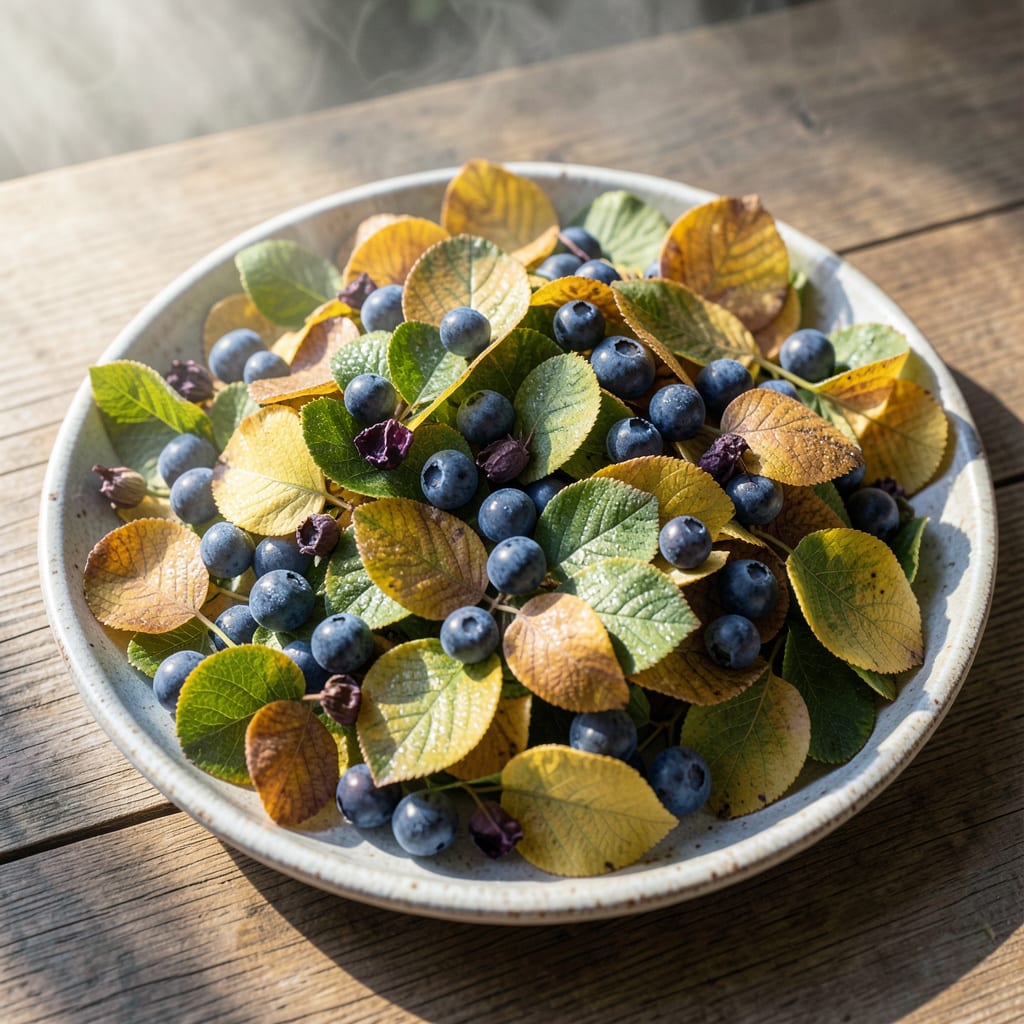
Yellow leaves on blueberry bushes always mean one thing—your soil is talking to you. I’ve seen this with my own plants, and the fix is usually simpler than you’d think.
Most often it’s an iron deficiency, which sounds scary but just means your soil pH is off. Blueberries need acidic soil (around 4.5-5.5 pH) to absorb iron properly. Without it, leaves turn yellow while veins stay green.
Test your soil first—that’s the only way to be sure. Then adjust with sulfur or peat moss. I’ve brought plants back from near-death in 2-3 weeks with this approach.
Overwatering or poor drainage can mimic the same symptoms, so check that too. The solution starts with knowing exactly what your plants are trying to tell you.
Yellowing leaves on your blueberry bushes can be alarming, but understanding the root causes helps you take quick, effective action. Here’s a breakdown of the most common culprits:
Blueberries thrive in acidic soil (pH 4.0–5.5). When the pH rises above 6.0, the plant struggles to absorb iron and other essential nutrients, even if they’re present in the soil. This triggers interveinal chlorosis—yellow leaves with green veins—a classic sign of iron deficiency induced by high pH. Test your soil with a kit, and amend with sulfur or peat moss to lower pH if needed.
Soggy roots suffocate the plant, reducing its ability to uptake nutrients like nitrogen and iron. Yellowing often starts at the lower leaves and spreads upward. Check drainage by digging a small hole—if water pools for hours, improve soil structure with organic matter or raised beds. Blueberries hate wet feet!
Pathogens like Phytophthora or Septoria can cause yellowing, often with brown or black spots. These thrive in wet conditions. Improve airflow, avoid overhead watering, and apply copper fungicide preventatively. Remove and destroy infected leaves to stop spread.
Extreme heat, cold snaps, or transplant shock can stress the plant, leading to yellowing. Mulch with pine bark to regulate soil temperature and retain moisture. Shield young plants from harsh winds or frost with row covers.
Here’s how to tackle yellowing blueberry leaves based on the root cause, with practical fixes and prevention tips.
Fix: Test your soil with a pH kit. If it’s below 4.5, apply dolomitic lime (1-2 lbs per 100 sq ft) to raise the pH gradually. Retest after 2-3 months and adjust as needed.
Prevention: 💡 Use pine bark mulch or sulfur-free fertilizers to maintain stable acidity. Avoid overusing acidic amendments like peat moss.
Fix: If soil pH is above 5.5, lower it with elemental sulfur (1 lb per 100 sq ft) or chelated iron foliar spray for quick relief. Water deeply after applying.
Prevention: 💡 Amend soil annually with composted pine needles or oak leaves to keep pH in the 4.5–5.5 range.
Fix: Check drainage by digging a 12-inch hole and filling it with water. If it drains slower than 1 inch/hour, amend soil with perlite or coarse sand. Reduce watering frequency and ensure pots have drainage holes.
Prevention: 💡 Plant blueberries in raised beds if your soil is heavy clay. Use drip irrigation to avoid waterlogging.
Fix: Apply a balanced, acid-loving plant fertilizer (e.g., 10-10-10 for blueberries) or organic options like fish emulsion. Follow package instructions for dosage.
Prevention: 💡 Feed blueberries in early spring and late summer. Avoid high-nitrogen fertilizers, which can worsen deficiencies.
Fix: Inspect leaves for pests like spider mites or signs of fungal disease (e.g., spots). Treat with neem oil or insecticidal soap for pests, and copper fungicide for diseases. Remove heavily infested leaves.
Prevention: 💡 Prune bushes annually to improve airflow. Keep the area weed-free and avoid overhead watering.
Use a soil pH test kit from any garden center. Take samples from 4-6 inches deep near the plant’s roots. Follow the kit instructions for accurate results in 5-10 minutes.
Existing yellow leaves typically won’t recover, but new growth will be healthy. Focus on correcting the root cause like pH or drainage. You’ll see improvement in 2-3 weeks.
Avoid vinegar—it’s too strong and can harm roots. Instead, use elemental sulfur or peat moss for gradual, safe pH adjustment. These work better long-term.
Water deeply 1-2 times per week, allowing the top 1-2 inches of soil to dry between waterings. Increase to 3 times weekly in extreme heat. Always check drainage.
