
Beautiful Plants For Your Interior
Beautiful Plants For Your Interior
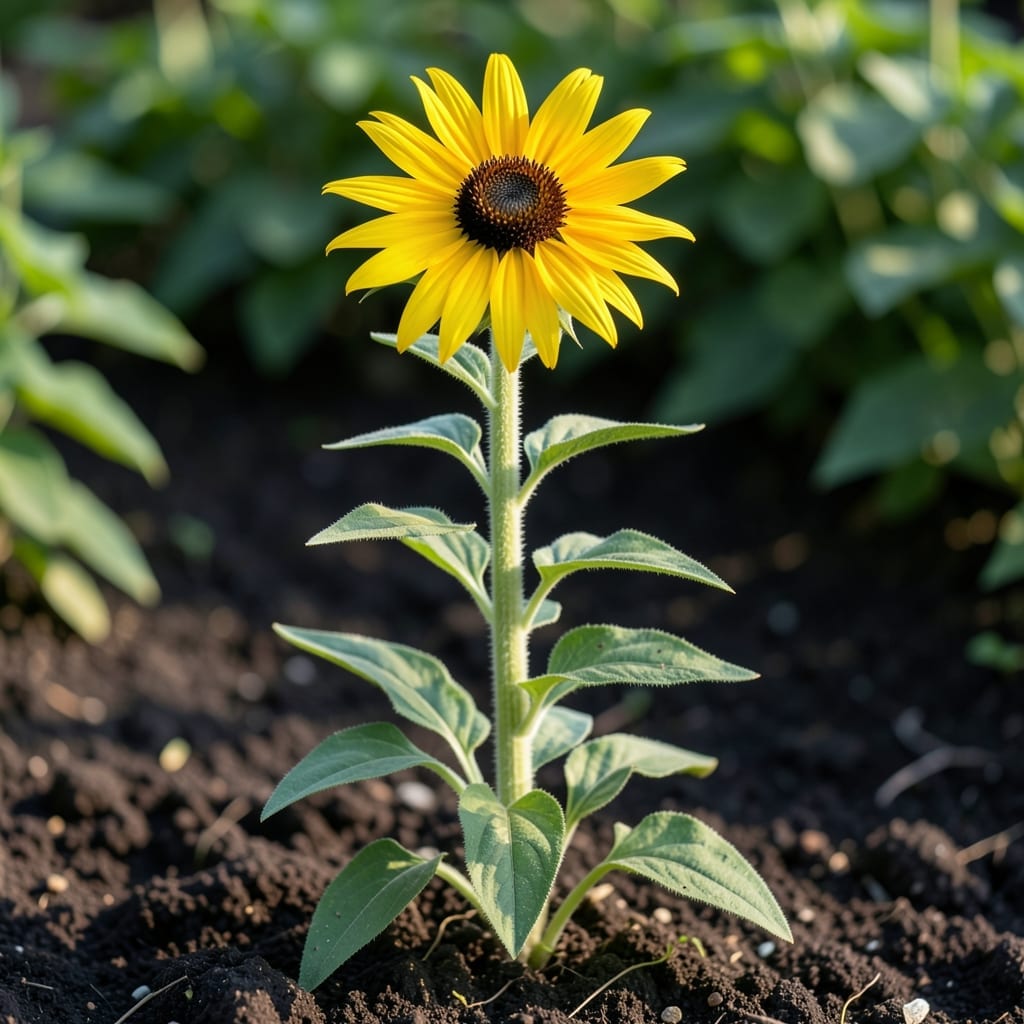
Black Eyed Susans are perennial plants that return year after year in most climates, regrowing from their root systems each spring with proper care.
These hardy flowers thrive because their underground rhizomes store energy during dormant months. I’ve seen them bounce back even after harsh winters, as long as the soil drains well and they get full sun. Their reliable return makes them a favorite for low-maintenance gardens. ✨
To keep them flourishing, deadhead spent blooms and divide clumps every 3-4 years to prevent overcrowding.
💡 In This Article
The secret lies in their underground rhizomes, which act like energy storage units. These thickened stems remain alive beneath the soil during winter, preserving nutrients and moisture. When temperatures rise in spring, the rhizomes send up new shoots, typically between 60-75°F soil temperatures.
These plants enter dormancy as temperatures drop below 50°F. The foliage dies back, but the root system stays active, conserving resources. This survival mechanism allows them to endure freezing conditions, especially in USDA hardiness zones 3-9. 🌱
Come spring, stored carbohydrates in the rhizomes fuel rapid growth. You’ll often see fresh green shoots emerging within 2-3 weeks of the last frost date. The timing varies by region, with southern gardens seeing regrowth 4-6 weeks earlier than northern climates.
What’s remarkable is their ability to spread horizontally through these rhizomes. Each growing season, the plant can expand its footprint by 6-12 inches, creating dense clusters over time. This natural propagation means a single planting can multiply into a vibrant colony.
The regrowth process is most reliable when the plants receive at least 6-8 hours of daily sunlight. In shadier conditions, the rhizomes may produce weaker shoots or fewer blooms the following year. ✨
These perennials typically bloom from early summer through fall, with the main flush lasting 6-8 weeks. Deadheading spent flowers can extend the blooming period by encouraging new buds. In ideal conditions, you might see sporadic blooms for up to 3 months.
Check if they’re planted in poorly draining soil or too much shade. Rhizomes can rot in soggy conditions. If the area stays wet, consider relocating them. Also ensure they weren’t accidentally dug up during winter garden maintenance.
Yes, but choose large pots with drainage holes. Use quality potting mix and water when the top 1-2 inches of soil feels dry. Container-grown plants may need winter protection in colder zones, as roots are more exposed to freezing temperatures.
Divide when you notice a thick ring of stems with bare centers, usually every 3-4 years. The best time is early spring or fall. Dig up the clump, separate the rhizomes, and replant the healthiest sections with at least 3-5 shoots each.