
Beautiful Plants For Your Interior
Beautiful Plants For Your Interior
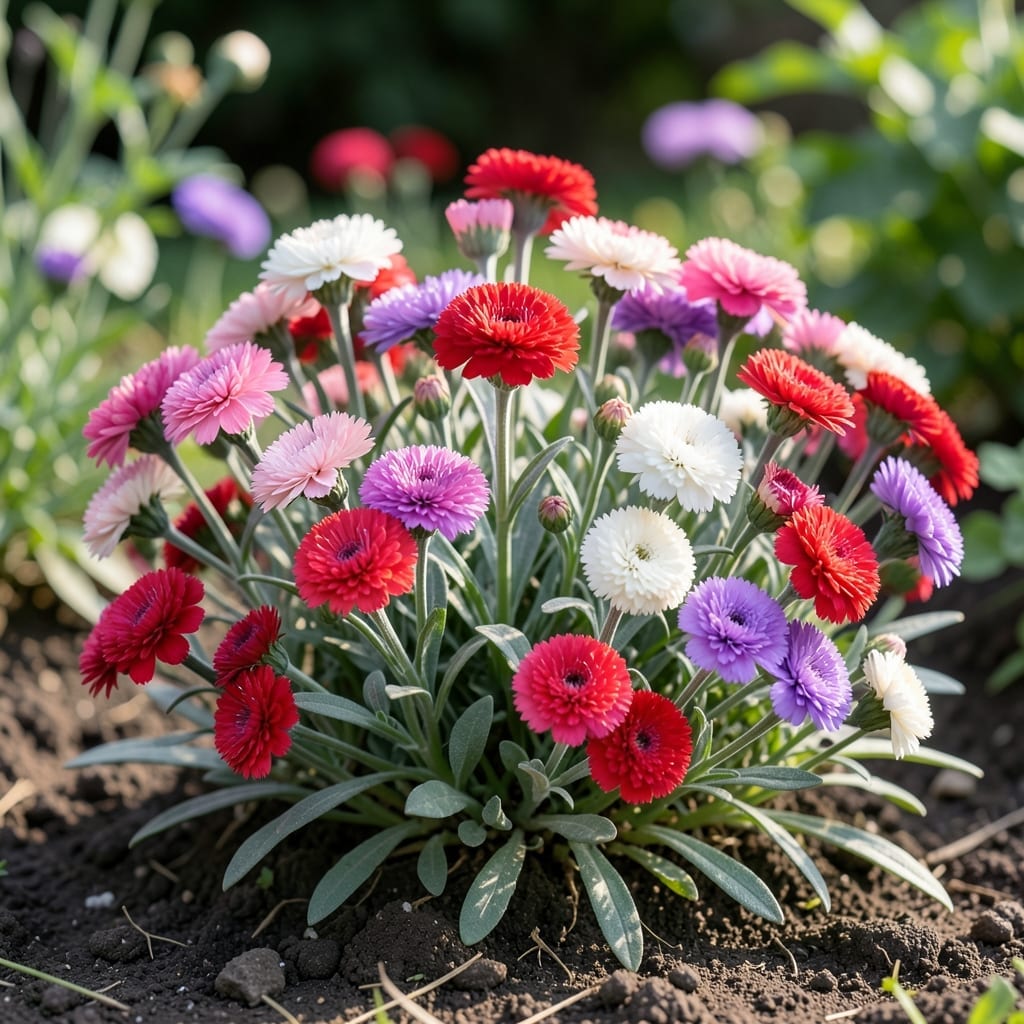
I discovered these border stars by accident last spring. 🌟 The Dianthus Coronet Mix filled my front edge with candy-scented blooms that kept going when other plants gave up.
Here’s the thing—they’re tougher than they look. A little well-draining soil, 6 hours of sun, and they reward you with months of color. No fussy deadheading required.
My neighbors stop to ask what’s creating that spicy-sweet perfume. The flowers come in pink, red, and white, all with those characteristic frilly edges.
Perfect for edging walkways or filling gaps between perennials. They’ll bounce back after light frosts too.
Understanding why Dianthus coronet mix struggles can help you nurture healthier, more vibrant blooms. Below are the most common causes, explained with actionable insights.
Dianthus thrives in slightly alkaline to neutral soil (pH 6.5–7.5). Acidic soils (pH <6.0) can lock out essential nutrients like phosphorus and calcium, stunting growth. Test your soil with a kit and amend with lime if needed to restore balance.
These plants despise soggy roots. Overwatering or compacted, clay-heavy soil suffocates the root system, leading to rot or fungal diseases. Ensure your garden beds have well-draining soil (mix in sand or perlite) and water only when the top inch of soil feels dry.
Dianthus coronet mix requires full sun (6+ hours daily) to produce its signature abundant blooms. Shade from trees or buildings can weaken stems, reduce flowering, and encourage leggy growth. Relocate plants to sunnier spots if they’re underperforming.
Aphids, slugs, and fungal pathogens (like powdery mildew) often target stressed dianthus. Poor air circulation or excess humidity exacerbates these issues. Space plants 8–12 inches apart, remove debris, and apply organic neem oil or copper fungicide preventatively.
Even the hardiest dianthus can run into trouble, but most issues are fixable with a little care. Below are the most common problems and their straightforward solutions, plus tips to keep your blooms thriving.
If your plants look droopy or leaves turn yellow, poor drainage is often the culprit. Repot or relocate them to a spot with well-draining soil, or amend heavy soil with sand or perlite. Ensure containers have drainage holes. Prevention tip: 💡 Always use a quality potting mix with compost for better aeration.
Aphids and slugs love tender dianthus stems. Spray with soapy water (1 tsp mild soap per quart of water) or introduce beneficial insects like ladybugs. For slugs, set up beer traps or use diatomaceous earth. Prevention tip: ✨ Keep the garden clean to remove hiding spots for pests.
White, powdery spots on leaves signal mildew, often caused by high humidity. Prune crowded stems to improve airflow, and water at the base to keep foliage dry. Apply a fungicide if needed. Prevention tip: 🌡️ Space plants 12–18 inches apart to reduce moisture buildup.
If stems stretch and flop, they’re likely starved for sunlight. Move plants to a spot with full sun (6+ hours daily). For potted dianthus, rotate them weekly. Prevention tip: 🎯 Choose a south-facing border for optimal light.
With these fixes, your garden will bounce back in no time!
Water when the top 1 inch of soil feels dry, typically 2-3 times per week in hot weather. Avoid overhead watering to prevent fungal issues. Morning watering is ideal.
Yes! Use containers with drainage holes and fill with well-draining potting mix. Space plants 8-12 inches apart. Containers allow you to move them for optimal sunlight.
Lack of blooms usually means insufficient sunlight or over-fertilizing. Ensure they get 6+ hours of sun daily and use a balanced, low-nitrogen fertilizer.
Plant in early spring or fall when temperatures are mild. This gives roots time to establish before extreme heat or cold. Avoid planting during summer’s peak heat.