
Beautiful Plants For Your Interior
Beautiful Plants For Your Interior
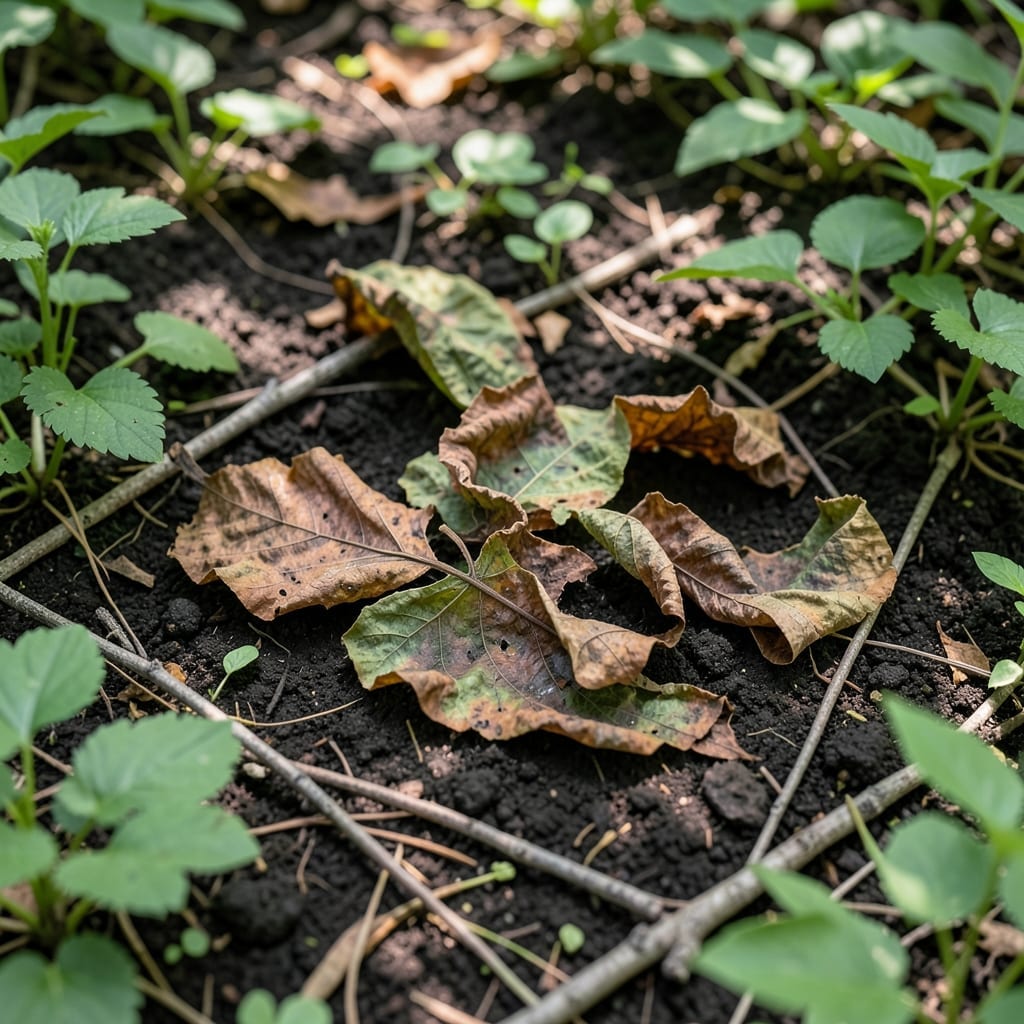
The transformation begins with detritivores—microscopic organisms like bacteria, fungi, and earthworms that consume fallen leaves. These decomposers secrete enzymes that break down complex carbon compounds into simpler forms, releasing nutrients back into the soil. The process typically takes 6-12 months, depending on leaf type and environmental conditions. 🔥
As decomposition progresses, it creates humus—a dark, crumbly substance that improves soil structure. Humus increases the soil’s cation exchange capacity, allowing it to hold more nutrients like calcium, magnesium, and potassium that plants need. This organic matter also acts like a natural glue, binding soil particles together to create better aeration and drainage. ✨
Temperature and moisture play crucial roles in this process. Ideal conditions are 50-70°F with consistent moisture (like a wrung-out sponge). In these conditions, a single maple leaf (about 0.5 oz) can release up to 0.1 oz of pure nutrients into the soil. Too dry, and decomposition stalls; too wet, and anaerobic conditions develop. ⚡
What many don’t realize is that different leaf types decompose at varying rates. Oak leaves, with their high tannin content, may take 2-3 years to fully break down, while maple or birch leaves often decompose within a single growing season. This variation affects nutrient release timing, creating a natural slow-feed system for your plants. 💫
The process also enhances soil biodiversity. A single gram of healthy soil can contain thousands of bacterial species and hundreds of fungal species, all working together to create a thriving ecosystem. This microbial activity not only breaks down leaves but also helps suppress plant diseases and pests naturally. 🌟
Most leaves break down in 6-12 months under ideal conditions. Oak leaves with high tannins may take 2-3 years, while maple or birch leaves often decompose in one season. Shredding leaves speeds this to 3-6 months.
Whole leaves can mat together, blocking air and water. Always shred first for best results. A 2-3 inch layer of shredded leaves works perfectly as mulch.
Avoid walnut leaves—they contain juglone, which can harm plants. Also, leaves from diseased trees should be hot-composted at 140-160°F to kill pathogens.
Mix leaves with green materials like grass clippings in a 3:1 ratio. This balance provides carbon from leaves and nitrogen from greens for optimal decomposition.