
Beautiful Plants For Your Interior
Beautiful Plants For Your Interior
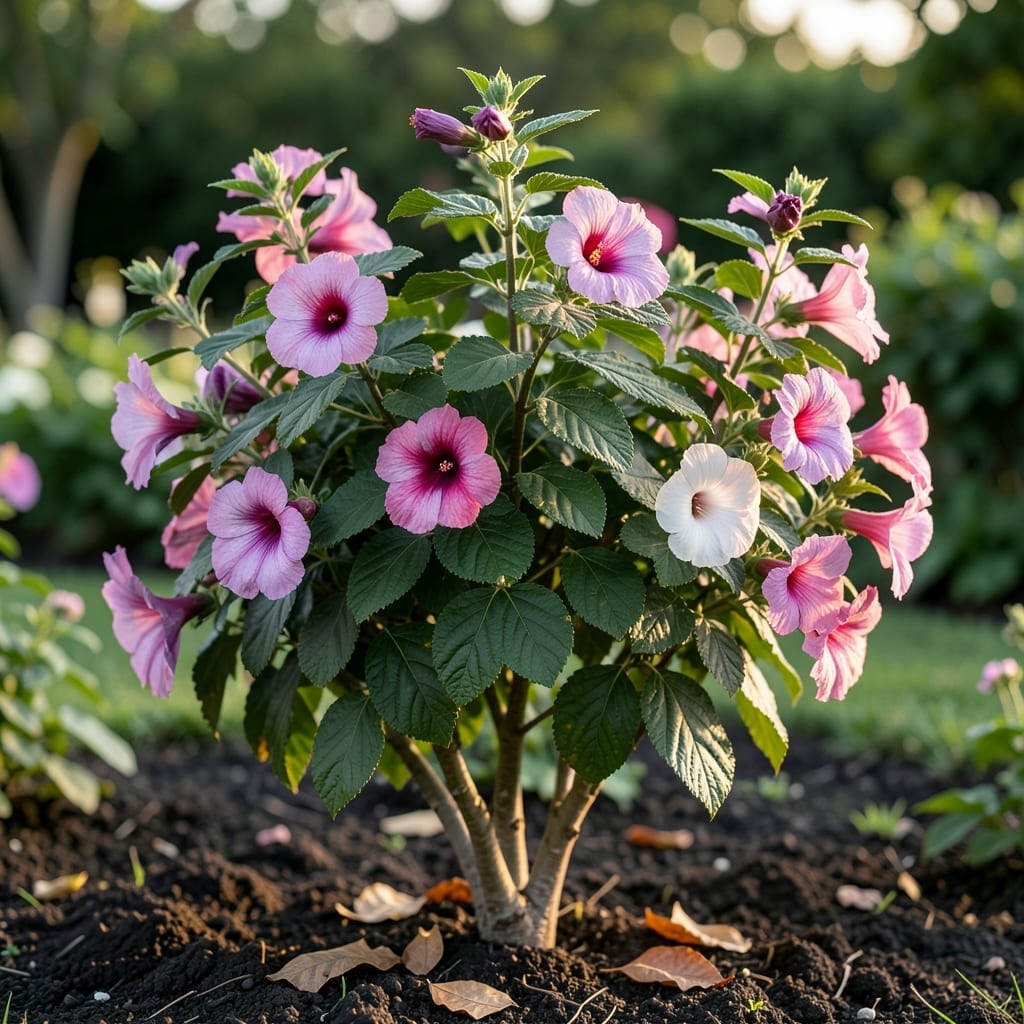
I’ve seen Rose of Sharon bounce back from near-death more times than I can count. That first spring when I thought I’d lost mine taught me everything about revival.
Most problems start with simple mistakes: too much water, not enough light, or ignoring early pest signs. The good news is these bushes are tougher than they look. With the right organic care, even the most neglected plants can surprise you.
You’ll notice new growth within 2-3 weeks of consistent care. The key is patience and giving the roots time to recover. I always check soil moisture with my finger before watering—saved me from overdoing it again.
This method works whether your plant’s struggling in the ground or in a container. Here’s how to bring it back to life.
A once-vibrant Hibiscus syriacus can decline for several preventable reasons. Below are the most common causes, explained with actionable science so you can diagnose and correct the issue fast.
Rose of Sharon needs consistent moisture—neither drought nor soggy roots. Under-watering closes stomata, halting photosynthesis and causing leaf scorch. Over-watering suffocates roots, blocking oxygen uptake and inviting Phytophthora root rot. Aim for 1–1.5 inches of water weekly, including rainfall, and always let the top 2 inches of soil dry between waterings.
This shrub thrives in well-draining, slightly acidic to neutral soil (pH 6.0–7.5). Heavy clay or compacted soil restricts root growth and nutrient access. A soil test can reveal deficiencies in nitrogen (yellowing leaves) or iron (interveinal chlorosis). Amend with compost or pine fines to improve structure and fertility.
Sudden temperature swings, late frosts, or extreme heat can stress the plant, leading to dieback. Rose of Sharon is hardy in USDA zones 5–9, but unacclimated plants may suffer. Mulch with 2–3 inches of organic matter to insulate roots, and avoid late-season pruning that stimulates tender new growth before winter.
Aphids, Japanese beetles, and spider mites sap plant vigor by feeding on foliage and stems. Fungal diseases like leaf spot or powdery mildew thrive in humid, poorly ventilated conditions. Inspect leaves regularly, and treat infestations with neem oil or insecticidal soap. Prune affected areas to improve airflow and reduce disease spread.
If your rose of Sharon looks lifeless, don’t give up yet! With the right steps, you can often nurse it back to health. Below are targeted solutions for common issues, along with prevention tips to keep your plant thriving.
If the roots are soggy or black, root rot is likely the culprit. Fix: Carefully dig up the plant, trim away rotted roots with clean shears, and replant in well-draining soil. Add compost to boost aeration. Prevention tip: 💡 Ensure pots have drainage holes, and avoid overwatering—let the top inch of soil dry out between waterings.
Brown, crispy leaves or wilting often signal underwatering or too much direct sun. Fix: Water deeply 1–2 times per week (more in extreme heat) and move potted plants to partial shade during peak afternoon hours. Prevention tip: 🌡️ Mulch around the base to retain moisture and regulate soil temperature.
Aphids, spider mites, or Japanese beetles can weaken the plant. Fix: Spray leaves with a mix of water and neem oil (1 tbsp oil per gallon) or introduce beneficial insects like ladybugs. For severe cases, remove heavily infested branches. Prevention tip: ✨ Inspect leaves regularly and encourage birds (natural predators) with a nearby feeder.
Dead branches after winter? Fix: Prune dead wood in early spring before new growth starts. Apply a 2–3 inch layer of mulch around the base for insulation. Prevention tip: 🎯 In colder zones, wrap young shrubs in burlap or use a frost cloth before the first freeze.
With patience and these targeted fixes, your rose of Sharon can bounce back stronger than ever!
Water deeply 1-2 times per week, allowing the top 2 inches of soil to dry between waterings. Increase to 3 times weekly in extreme heat, but always check soil moisture first with your finger.
Dig a 1-foot-deep hole, fill it with water, and see how long it takes to drain. If water remains after 4 hours, your soil needs amendment with compost or sand. Proper drainage prevents root rot.
Yes! Trim off dead foliage and check for green stems. If stems are still flexible, the plant may recover with consistent care. Focus on root health and proper watering.