
Beautiful Plants For Your Interior
Beautiful Plants For Your Interior
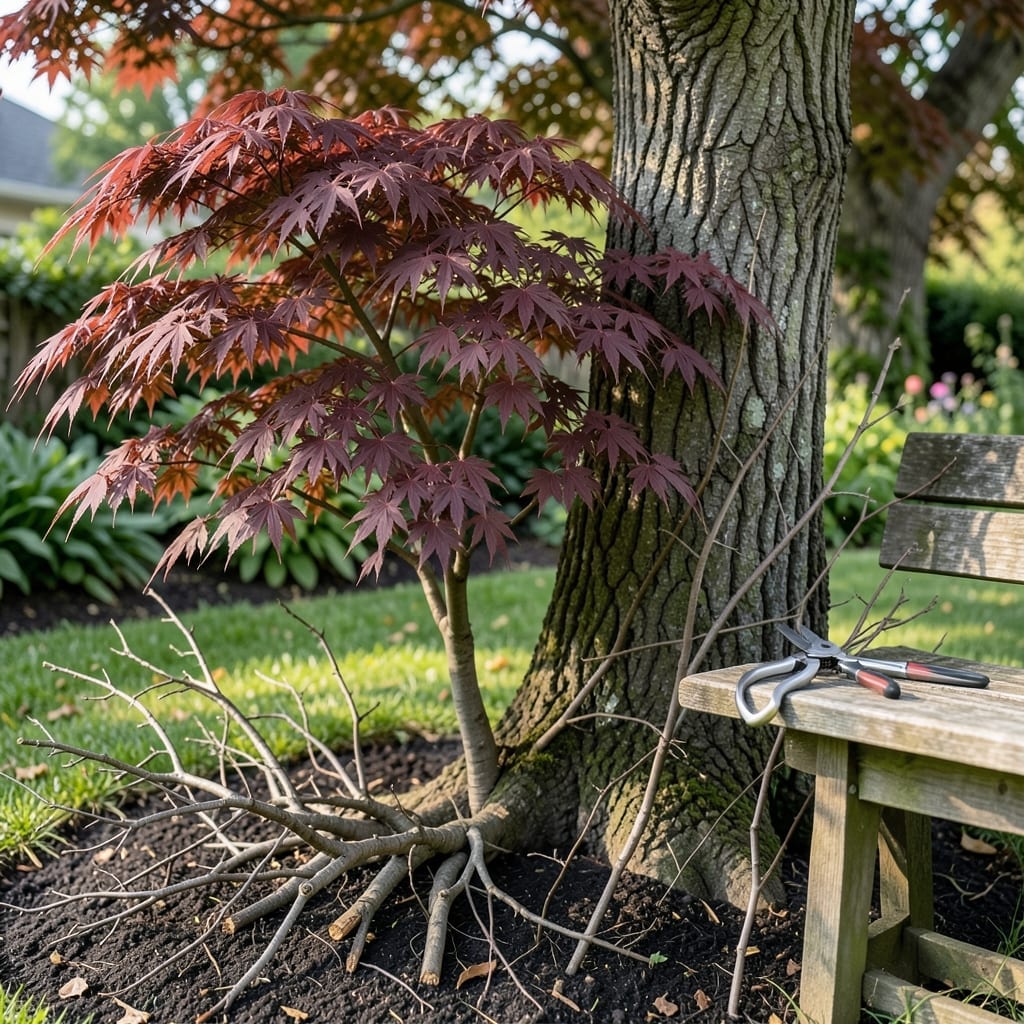
That sick feeling when you spot brittle branches on your Japanese maple. I’ve been there—staring at the damage, wondering if the whole tree is doomed.
The good news? Dead branches don’t always mean disaster. Often it’s winter burn, poor pruning, or a simple lack of water. The tree’s likely still strong and ready to recover.
With the right cuts and timing, you can remove the damage without harming the rest. I’ll show you exactly where to prune and what to avoid.
Prevention starts with consistent care—watering, mulching, and shielding from harsh winds. Your maple can bounce back even better than before.
Dead branches on Japanese maples often result from a mix of environmental stress, disease, or poor care. Here’s a breakdown of the most common causes and the science behind them:
Japanese maples thrive in stable, moderate climates. Sudden frosts in late spring or heatwaves in summer can damage tender growth, leading to branch dieback. The vascular system—responsible for transporting water and nutrients—can rupture under extreme cold, while heat stress causes transpiration overload, where the tree loses water faster than it can absorb it.
Improper watering disrupts root health, directly impacting branch vitality. Overwatering suffocates roots, promoting fungal infections like Phytophthora root rot, which blocks nutrient uptake. Conversely, drought stress forces the tree to prioritize survival by shedding non-essential branches. Aim for consistent moisture—mulch can help regulate soil hydration.
Pathogens such as Verticillium wilt or Botrytis blight invade through wounds or stressed tissue. Verticillium clogs the xylem (water-conducting vessels), starving branches of hydration. Signs include blackened veins in leaves or sudden wilting. Prune infected branches immediately and sterilize tools with rubbing alcohol to prevent spread.
Cutting at the wrong time (e.g., during active sap flow in spring) or with dull tools can introduce disease. Tearing bark creates entry points for pathogens, while topping cuts (removing large sections) stress the tree, triggering dieback. Always prune in late winter using clean, sharp shears, and follow the branch collar method to encourage healing.
A lack of nitrogen, potassium, or magnesium weakens the tree’s immune system. Yellowing leaves (chlorosis) often signal deficiency. Conduct a soil test and amend with a balanced fertilizer (e.g., 10-10-10) or organic compost to restore vitality.
Don’t panic if you spot dead branches on your Japanese maple—there are clear, actionable steps to restore its health and beauty. Below, we break down the fixes for each common cause, plus prevention tips to keep your tree thriving.
If disease is the culprit, start by removing all infected branches with sterilized pruning shears. Cut at least 2–3 inches into healthy wood to ensure the disease doesn’t spread. Dispose of the debris far from the tree. Next, apply a copper-based fungicide or bactericide to the remaining branches and soil. Repeat every 2–3 weeks until symptoms disappear.
Prevention: Improve air circulation by thinning crowded branches, and avoid overhead watering to reduce moisture buildup. 💡 Pro tip: Water at the base in the early morning so foliage dries quickly.
For branches damaged by frost or freeze-thaw cycles, wait until spring to assess the extent. Prune only the truly dead wood (it will be brittle and dry). Help the tree recover by deep-watering the root zone weekly during dry spells. Mulch with 2–3 inches of organic material to insulate roots and retain moisture.
Prevention: In late fall, wrap the trunk with burlap or use a frost cloth for young trees. Avoid late-season fertilizing, which can encourage tender new growth vulnerable to cold.
Yellowing leaves or stunted growth may signal a lack of nutrients. Test your soil to confirm deficiencies, then apply a balanced, slow-release fertilizer (10-10-10 or 12-4-8) in early spring. For iron or manganese shortages (common in alkaline soils), use a chelated micronutrient spray. Always follow package instructions to avoid over-fertilizing, which can burn roots.
Prevention: Top-dress with compost annually to naturally boost soil fertility. ✨ Pro tip: Japanese maples prefer slightly acidic soil (pH 5.5–6.5)—amend with sulfur if needed.
If dead branches stem from bad cuts, avoid pruning during active growth (spring to early summer). Instead, prune in late winter while the tree is dormant. Use sharp, clean tools and make cuts just outside the branch collar (the swollen area where the branch meets the trunk). Never leave stubs or cut flush with the trunk.
Prevention: Sanitize tools between cuts with rubbing alcohol to prevent disease spread. Limit pruning to no more than 25% of the canopy at a time to reduce stress.
Scratch the bark with your fingernail. If it’s brown and dry underneath, the branch is dead. Healthy branches show green tissue. Also look for brittle wood that snaps easily.
Prune in late winter while the tree is dormant. This minimizes stress and reduces disease risk. Avoid pruning during active growth in spring or summer.
Yes, they can spread disease or attract pests. Remove them promptly to protect the tree’s health. Always sterilize tools between cuts to prevent contamination.