
Beautiful Plants For Your Interior
Beautiful Plants For Your Interior
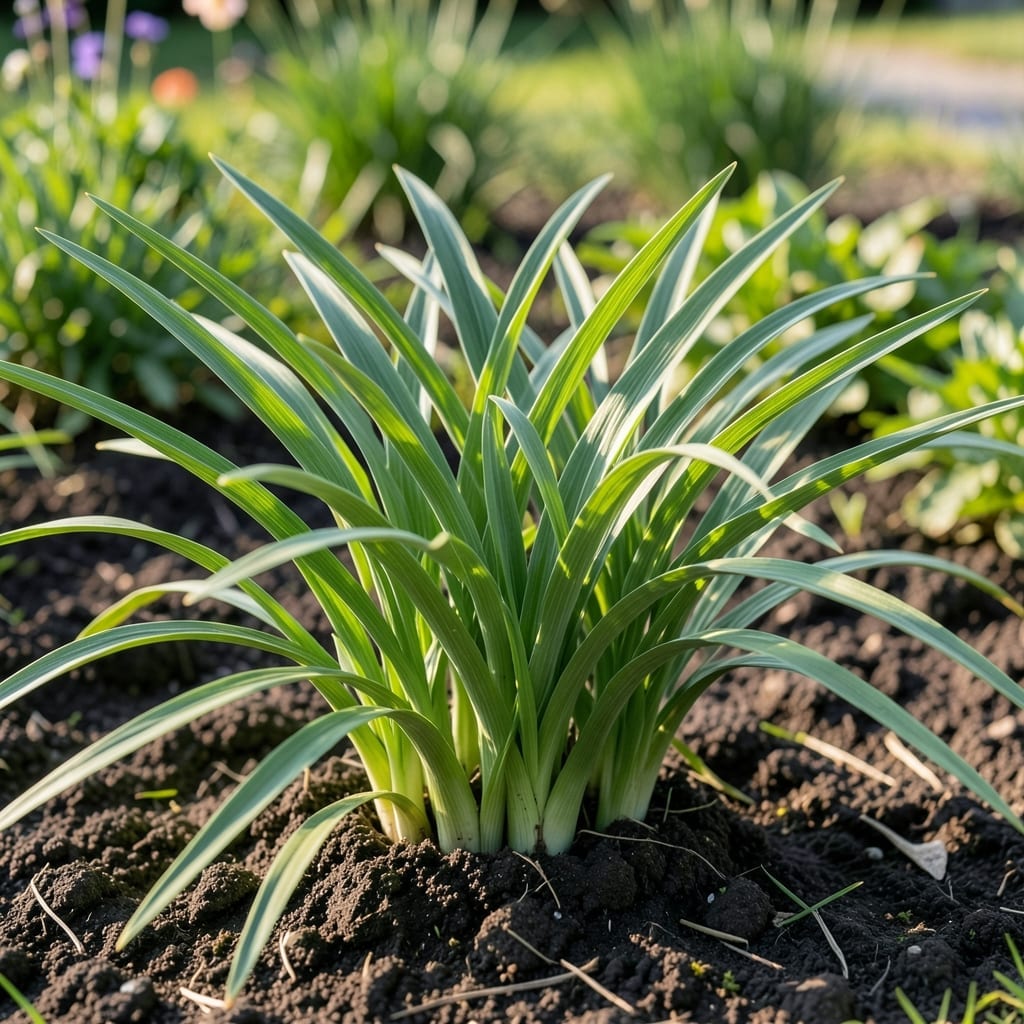
My daylilies looked great—until they didn’t bloom. I spent a summer staring at lush green leaves wondering where the flowers disappeared to.
Turns out, this happens more often than you’d think. Too much shade, not enough food, or even planting them too deep can stop the show before it starts.
With a few simple fixes, you can coax those buds back. Most plants rebound within one season once they get what they’re missing.
No special tools required—just some observation and a little patience. Here’s how to get them flowering again.
Daylilies are hardy perennials, but even the toughest plants can fail to bloom under certain conditions. Here’s why your daylilies might be all foliage and no flowers:
Daylilies typically need 2–3 years to establish a strong root system before producing blooms. If planted from bare root or division, young plants focus energy on root and foliage growth first. Patience is key—ensure they receive consistent water and sunlight during this phase.
Daylilies require 6–8 hours of full sun daily to trigger flowering. Shade from trees, buildings, or overgrown neighbors can disrupt photoperiodism—the plant’s internal clock that regulates blooming. Action: Relocate plants to sunnier spots or thin out nearby obstructions.
Too much nitrogen promotes lush leaves but suppresses flowers by diverting energy to foliage. Conversely, nutrient-poor soil lacks the phosphorus (P) and potassium (K) needed for bloom development. Fix: Use a balanced fertilizer (10-10-10) or switch to a bloom-boosting formula (e.g., 5-10-10) in early spring.
Daylily flower buds form the previous season. A late spring frost can destroy these buds before they open. Prevention: Apply mulch in fall to insulate crowns, and cover plants with frost cloth if late cold snaps are forecasted.
Mature daylilies can become root-bound, leading to reduced vigor and fewer blooms. If clumps exceed 3–4 feet in diameter, divide them every 3–5 years in early spring or fall to rejuvenate flowering.
If your daylilies are all leaves and no blooms, don’t panic—there are clear fixes for each underlying cause.
Daylilies need 6+ hours of sunlight to flower. If yours are in deep shade, transplant them to a sunnier spot in early spring or fall. If moving isn’t an option, thin nearby trees or shrubs to let more light through. Prevention tip: 💡 Plant new daylilies in a south- or west-facing bed where they’ll get ample sun.
Too much nitrogen (the first number on fertilizer bags) promotes leafy growth at the expense of flowers. Switch to a balanced fertilizer (e.g., 10-10-10) or one with higher phosphorus (the middle number, like 5-10-5) to encourage blooming. Feed once in early spring and again after the first bloom cycle. Prevention tip: 🎯 Test your soil every 2–3 years to avoid nutrient imbalances.
Daylilies can get so dense that they choke out their own blooms. Every 3–4 years, dig up clumps in early spring or fall, separate the fans (groups of leaves and roots), and replant the healthiest ones, spacing them 18–24 inches apart. Prevention tip: ✨ Mark your calendar for division day—it’s an easy way to keep plants vigorous.
Inconsistent watering, especially during bud formation (spring to early summer), can abort flowers. Water deeply once a week (about 1–1.5 inches) rather than shallow daily sprinkles. Mulch with 2–3 inches of shredded bark to retain moisture. Prevention tip: 🌡️ Use a rain gauge to track watering—daylilies are tough but not drought-proof.
Late frosts or freeze-thaw cycles can harm flower buds. After the first hard frost, cover plants with a 3–4 inch layer of straw or pine needles. Remove mulch in early spring to let new growth emerge. Prevention tip: 📊 Choose cold-hardy varieties (like ‘Stella de Oro’) if you live in a harsh climate.
With these adjustments, your daylilies should reward you with vibrant blooms next season!
Newly planted daylilies typically need 2–3 years to produce flowers. They focus on root and foliage growth first. Ensure consistent water and sunlight during this establishment phase.
Yes, daylilies require 6–8 hours of full sun daily. Shade disrupts their internal flowering clock. Relocate to sunnier spots or thin nearby obstructions to let more light through.
Use a balanced fertilizer (10-10-10) or bloom-boosting formula like 5-10-10. Avoid high-nitrogen fertilizers, as they promote leaves over flowers.
Divide every 3–5 years to prevent overcrowding. This rejuvenates the plants and encourages more blooms. Best done in early spring or fall.