
Beautiful Plants For Your Interior
Beautiful Plants For Your Interior
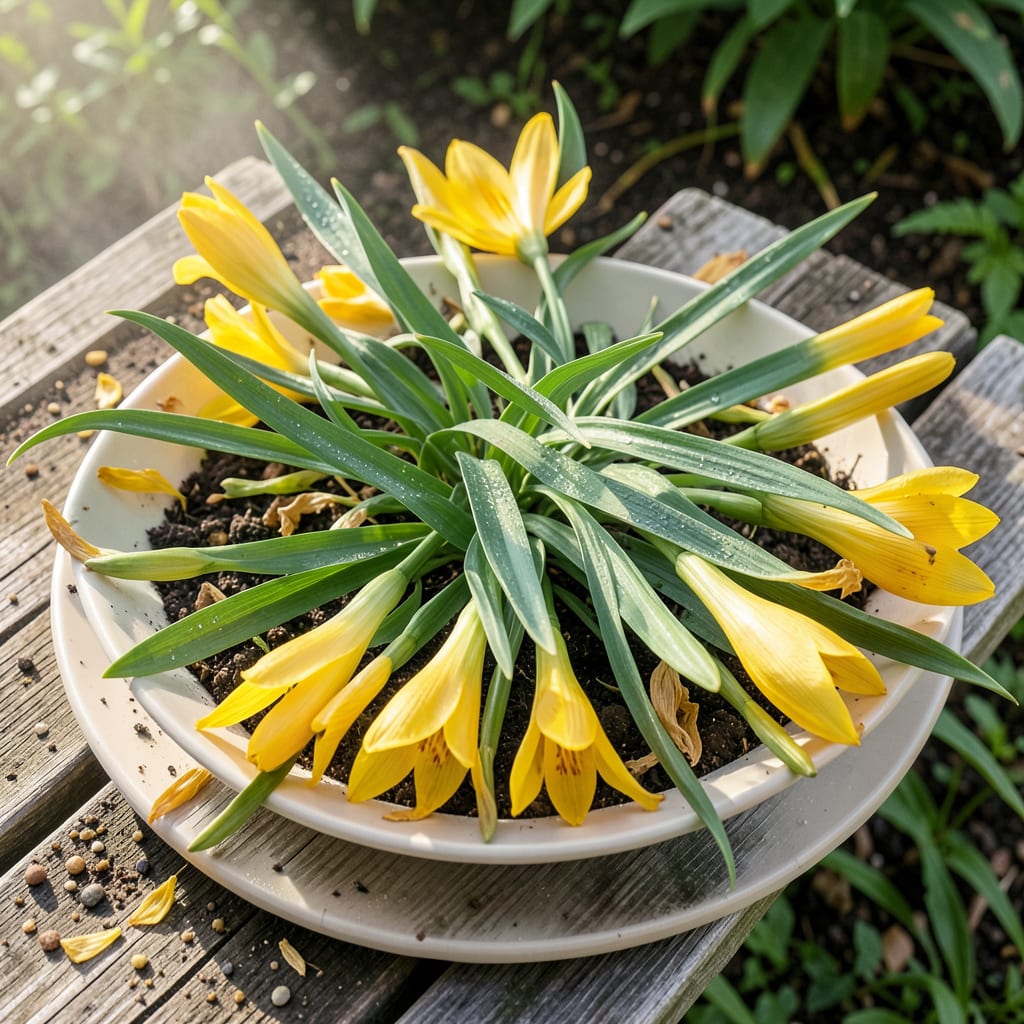
Yellowing daylily leaves hit differently when it’s your prized border. I’ve seen this in my own garden after two weeks of brutal afternoon sun, and it’s fixable once you know the cause.
Usually it’s not disease—it’s stress from too much water, not enough, or leaves getting fried in 90°F heat. Check the soil first: if it’s soggy or bone-dry, you’ve found your culprit.
Pests like aphids or thrips can also turn foliage yellow, but they leave telltale signs: sticky residue, tiny bugs, or chewed edges. A quick inspection with a magnifying glass clears this up fast.
Most fixes take under a week to show improvement. Adjust water, add shade cloth, or treat pests, and your daylilies bounce back stronger than before.
Daylily leaves turn yellow due to a mix of environmental, biological, and cultural stressors. Below are the most common causes, each with clear explanations to help you diagnose the issue.
Daylilies thrive in full sun, but intense, direct sunlight—especially in hot climates—can scorch foliage. This condition, called sunburn, disrupts chlorophyll production, leading to yellowing or browning at the leaf tips and edges. If leaves appear bleached or crispy, excessive sunlight is likely the culprit.
Overwatering suffocates roots, preventing oxygen uptake and causing root rot, which manifests as yellowing leaves. Conversely, underwatering leads to drought stress, where leaves turn yellow and wilt due to a lack of moisture and nutrient transport. Check soil moisture 1-2 inches deep—it should feel damp but not soggy.
Yellowing often signals a lack of essential nutrients. Nitrogen deficiency causes uniform yellowing (chlorosis) across older leaves first. Iron or magnesium deficiency leads to interveinal chlorosis—yellowing between leaf veins while veins stay green. A soil test can confirm imbalances; amend with a balanced fertilizer or targeted micronutrients.
Sap-sucking pests like aphids, spider mites, or thrips drain plant fluids, causing yellow stippling or mottling. Check leaf undersides for tiny insects or webbing. Daylily gall midge larvae cause swollen, yellowed foliage. Treat with insecticidal soap or neem oil for early infestations.
Leaf streak (caused by Aureobasidium microstictum) creates yellow streaks along leaves, while rust (Puccinia hemerocallidis) forms orange-yellow pustules. Bacterial soft rot leads to mushy, yellowing leaves. Remove infected foliage, improve air circulation, and apply fungicides (e.g., copper-based) preventatively.
Yellowing daylily foliage can often be reversed with the right care. Below are targeted solutions for the most common causes, along with prevention tips to keep your plants vibrant.
If soggy soil is the culprit, stop watering immediately and let the top 1-2 inches of soil dry out. Improve drainage by amending the soil with compost or sand. For potted daylilies, ensure containers have drainage holes. Prevention tip: Water deeply but infrequently—once a week is usually enough unless the weather is extremely hot. 💡 Pro tip: Use a moisture meter to avoid guessing.
If leaves are crispy and yellow from too much sun, move potted plants to partial shade or add a shade cloth for in-ground daylilies. Aim for morning sun and afternoon shade, especially in hotter climates. Prevention tip: Gradually acclimate plants to full sun if they’ve been in shade to avoid shock. 🌡️ Pro tip: Mulch around the base to retain moisture and cool roots.
For aphids, spider mites, or thrips, spray leaves with a strong stream of water to dislodge pests. Follow up with insecticidal soap or neem oil, applying in the early morning or late evening. Prevention tip: Encourage beneficial insects like ladybugs by planting companion flowers. ✨ Pro tip: Inspect foliage regularly, especially the undersides of leaves.
Yellowing often signals a lack of nitrogen or iron. Apply a balanced, slow-release fertilizer (10-10-10) in early spring and again after blooming. For iron deficiency (yellow leaves with green veins), use a chelated iron supplement. Prevention tip: Test soil every 2-3 years to monitor nutrient levels. 🎯 Pro tip: Avoid over-fertilizing—it can burn roots and worsen stress.
For rust or leaf streak, remove and destroy infected leaves to prevent spread. Thin out crowded plants to boost airflow, and avoid overhead watering. Apply a copper-based fungicide if needed. Prevention tip: Space daylilies 18-24 inches apart. 🌿 Pro tip: Water at the base of the plant to keep foliage dry.
No, it often indicates stress like overwatering or sun scorch. Check soil moisture and leaf texture before assuming disease. Crispy edges usually mean too much sun, not a pathogen.
Most daylilies show improvement within 1-2 weeks after addressing the root cause. Severely damaged leaves won’t turn green again, but new growth will be healthy.
Only remove leaves that are fully yellow or brown. If less than 50% is affected, the plant can still use them for photosynthesis. Always sterilize pruners between cuts.
Yes, over-fertilizing can burn roots and create nutrient imbalances that lead to yellow foliage. Stick to recommended doses and test soil periodically.
