
Beautiful Plants For Your Interior
Beautiful Plants For Your Interior
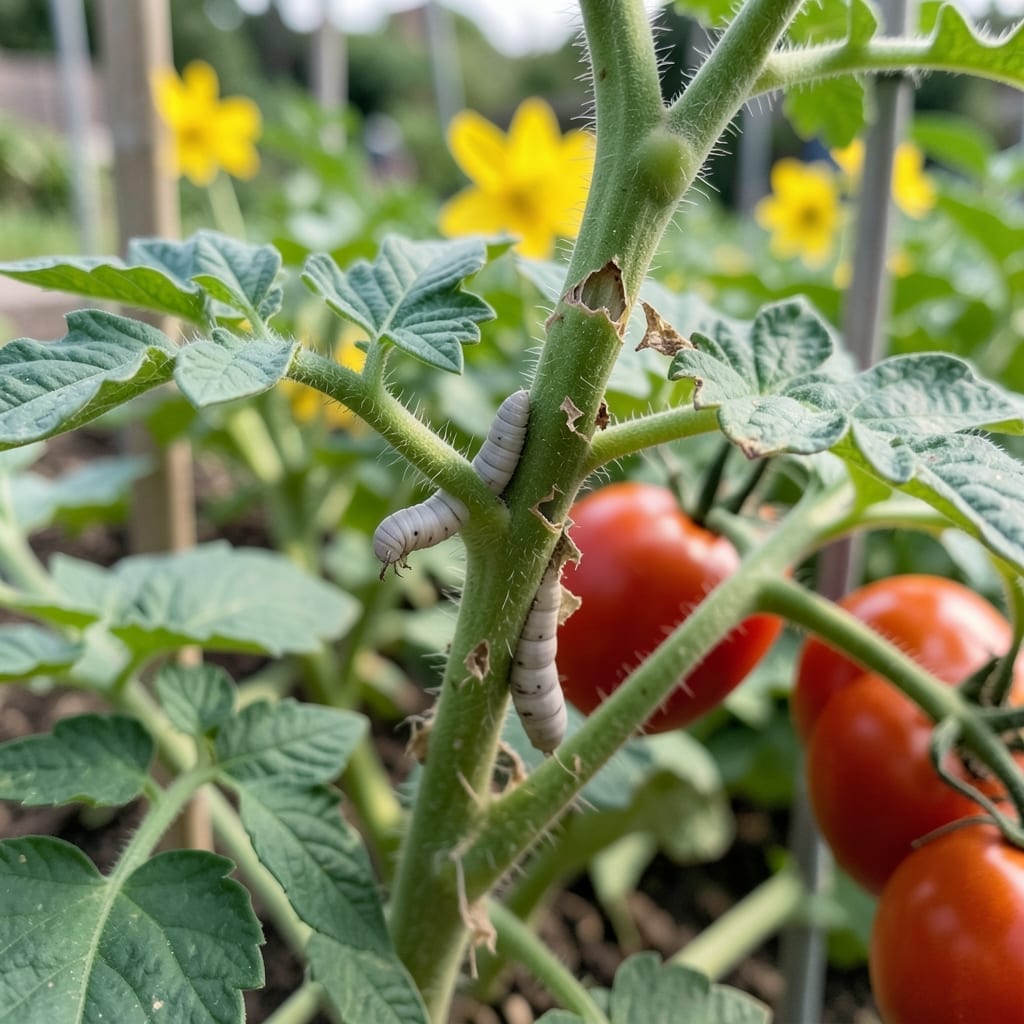
One morning last June, I found my tomato seedlings severed at soil level. Cutworms strike silently, usually at night, leaving healthy plants toppled like tiny timber.
They target young stems just above or below ground, cutting through them with surprising precision. The damage looks clean, almost surgical—no ragged edges, just a plant that suddenly can’t stand up.
I lost eight seedlings before realizing the pattern. Now I check at dawn and use simple barriers that stop them cold. The fix is easier than you’d think.
Early action saves the season. Here’s how to spot the signs and protect your plants before it’s too late.
Cutworms don’t target tomato plants at random—they’re drawn by specific conditions and behaviors. Understanding these triggers helps you disrupt their life cycle and protect your crop. Here’s why it happens:
Cutworm moths lay eggs in dense, undisturbed vegetation. Weedy garden beds or leftover plant debris provide the perfect shelter for eggs and young larvae. Tomatoes planted near untended areas are at higher risk, as cutworms migrate from these breeding grounds to feed on tender stems.
Cutworms are nocturnal, emerging after dark to chew through stems at soil level. Their preference for nighttime activity means damage often goes unnoticed until plants wilt or topple the next morning. Warm, humid nights accelerate their feeding, making early summer a peak period for infestations.
These pests thrive in loamy, well-drained soil with consistent moisture. Overwatering or heavy mulch can create an ideal environment for eggs to hatch and larvae to burrow. Dry, compacted soil slows their movement, but tomatoes in rich, aerated beds are prime targets.
Actionable tip: Reduce irrigation temporarily if cutworms are active, and clear weeds 2–3 weeks before planting to break their life cycle.
Stopping cutworms in their tracks is all about breaking their life cycle and shielding your tomatoes. Below are targeted fixes for the most common causes, plus prevention tips to keep your plants safe for good.
Cutworms chew through tender stems at soil level. Create a physical barrier by placing cardboard, plastic, or metal collars around each seedling. Bury the collar 1 inch deep and extend it 2 inches above soil. This blocks worms from reaching the stem.
Prevention tip: 💡 Apply collars immediately after transplanting—don’t wait for damage to appear.
Cutworms hide in weeds, mulch, and plant debris during the day. Remove all garden clutter and till the soil before planting to expose and disrupt their habitat. Keep a 10-foot weed-free zone around your tomato bed.
Prevention tip: ✨ Rotate crops yearly to prevent cutworm buildup in the same spot.
Soggy or compacted soil attracts cutworms. Loosen the soil with a garden fork and ensure proper drainage. Water in the morning so the top layer dries by evening—cutworms prefer damp conditions.
Prevention tip: 🎯 Use raised beds if your soil stays wet. This discourages worms and improves plant health.
Encourage beneficial insects like ground beetles, which feed on cutworm eggs and larvae. Plant clover or alfalfa nearby to attract them. For severe infestations, apply Bacillus thuringiensis (Bt)—a natural bacteria that targets caterpillars without harming other insects.
Prevention tip: 🌡️ Apply Bt in the early evening when cutworms are most active.
Look for seedlings severed at soil level or wilted plants with clean cuts. The stems appear neatly clipped, often toppling over while still partially attached.
They feed at night, especially during warm, humid evenings in early summer. Check your plants at dawn for fresh damage.
Create cardboard collars around seedlings, burying them 1 inch deep. Keep the garden weed-free and till soil before planting.
It can help as a barrier, but works best when dry. Reapply after rain or watering. For better results, combine with collars or Bt.