
Beautiful Plants For Your Interior
Beautiful Plants For Your Interior
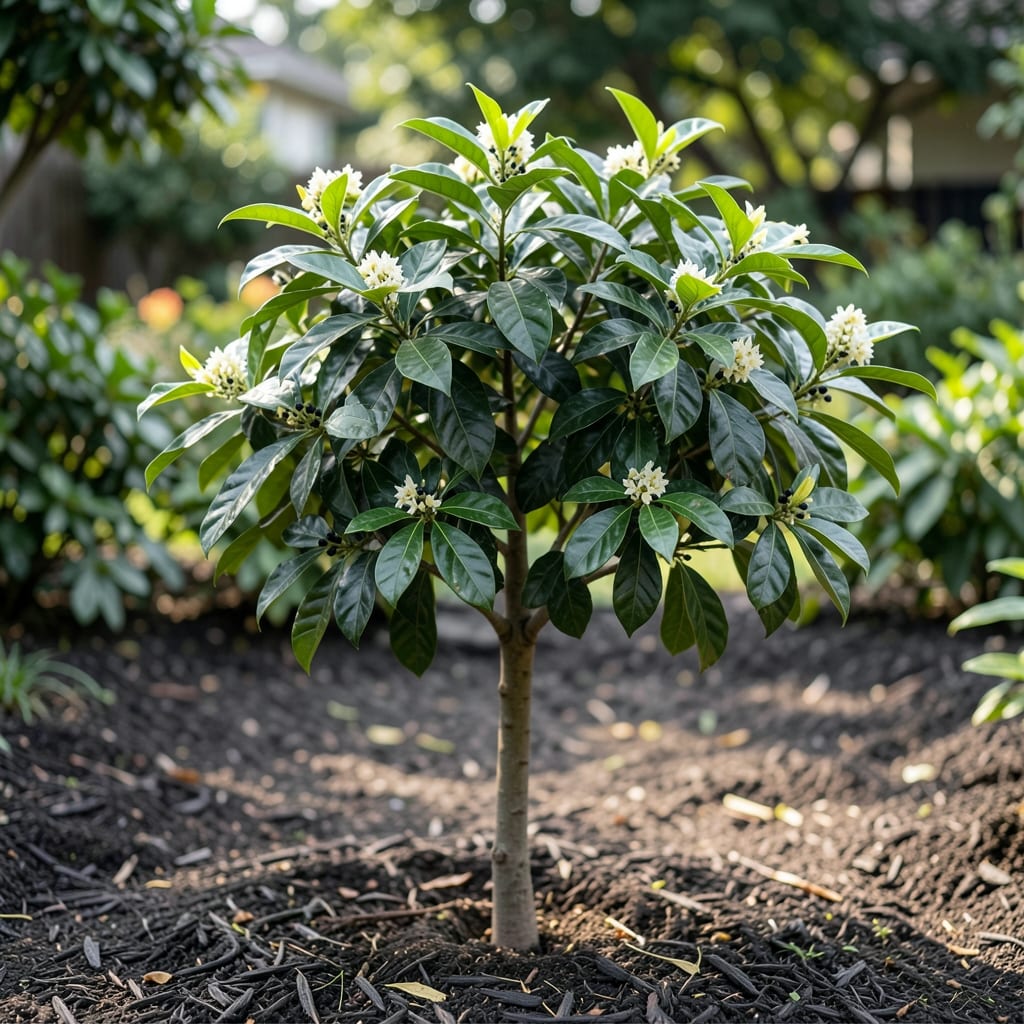
That first whiff of fresh curry leaves changed how I cook forever. Growing your own tree means always having the real deal on hand, not the dried substitute that never quite delivers.
It’s more forgiving than you’d think—just give it full sun, well-draining soil, and protection from frost. Within a season, you’ll have glossy leaves ready to snip for dishes, with a fragrance that fills your garden.
📚 In This Guide
Here’s the straightforward method I use to grow this fragrant plant with excellent results.
Select a spot that receives full sun to partial shade for at least 4-6 hours daily. Curry leaves trees thrive in warm climates but can adapt to container growing in cooler areas. I recommend starting with a 12-16 inch diameter pot with good drainage holes to accommodate the root system.
If planting directly in the ground, ensure the soil is well-draining. Heavy clay soil will suffocate the roots. For containers, use a high-quality potting mix with added perlite or sand to improve drainage. The container should have enough depth—aim for at least 12 inches deep.
If starting with a nursery sapling, carefully remove it from its container and loosen the roots gently. Place it in the prepared hole or pot so the top of the root ball sits about 1 inch above the soil level—this prevents water from pooling around the trunk. Backfill with soil and press lightly to remove air pockets.
For seeds, sow them ½ inch deep in moist potting mix and keep the soil consistently warm (70-85°F). Germination can take 2-4 weeks. I’ve found that soaking seeds in warm water for 24 hours before planting speeds up the process.
Water the plant deeply after planting, then let the top 1-2 inches of soil dry out between waterings. Curry leaves trees hate soggy roots, so it’s better to underwater slightly than overwater. I check the soil with my finger—if it feels dry at that depth, it’s time to water again.
Fertilize lightly every 4-6 weeks during the growing season with a balanced, water-soluble fertilizer (10-10-10 or similar). Reduce feeding in the winter when growth slows. Too much fertilizer leads to excessive leaf drop, so less is often more with this plant.
Prune your tree regularly to encourage bushier growth and prevent it from becoming leggy. I trim back new growth by one-third every 2-3 months during the growing season. This also helps maintain a manageable size, especially for container-grown plants.
Remove any dead, diseased, or crossing branches immediately to keep the plant healthy. Always use clean, sharp pruning shears to make precise cuts. After pruning, you’ll often notice fresh, fragrant new growth within a few weeks.
Curry leaves trees are sensitive to cold. If temperatures drop below 40°F, bring container plants indoors or cover in-ground plants with frost cloth. I’ve lost a few plants by assuming they could handle a light frost—they can’t.
Watch for common pests like aphids, scale, or spider mites. A strong blast of water often dislodges them, but for stubborn infestations, I use neem oil spray every 7-10 days until the problem resolves. Regularly inspect the undersides of leaves for early signs of trouble.
Here’s what I’ve learned from years of growing this fragrant plant successfully.
Sunlight Essentials: That 4-6 hours daily of full sun to partial shade isn’t just a suggestion—it’s critical for healthy growth. I’ve noticed plants in shadier spots produce fewer leaves and grow more slowly. If you’re growing in containers, rotate the pot weekly to ensure even sun exposure on all sides.
The Planting Depth Trick: When planting your sapling, resist the urge to bury it deeply. That 1 inch above soil level recommendation in Step 2 prevents water from pooling around the trunk, which can lead to rot. I learned this the hard way after losing a young plant to overwatering at the base.
Watering Wisdom: The 1-2 inches of dry soil rule from Step 3 is your best guide. Curry leaves trees truly hate soggy roots, and I’ve found that sticking my finger in the soil is more reliable than any moisture meter. When in doubt, wait an extra day—these plants handle dryness better than excess water.
Cold Weather Protection: Don’t underestimate the 40°F threshold mentioned in Step 5. I’ve lost plants by waiting until temperatures hit freezing. As soon as forecasts predict overnight lows near 40°F, move container plants indoors or have your frost cloth ready for in-ground specimens.
Start with a healthy sapling or seeds in well-draining soil. Place it in a sunny spot (6+ hours of sunlight daily) and water moderately. Use a pot with drainage holes if growing indoors. Fertilize lightly every 2-3 months for best results.
Yellow leaves often signal overwatering, poor drainage, or nutrient deficiency. Check soil moisture—let it dry slightly between waterings. Ensure the pot has drainage holes and consider a balanced fertilizer to replenish nutrients.
Yes! Place the plant near a south-facing window for maximum sunlight. Use grow lights if natural light is insufficient. Keep humidity levels moderate and rotate the pot occasionally for even growth.
Prune lightly every 3-4 months to encourage bushier growth and remove dead or diseased branches. Avoid heavy pruning, as it can stress the plant. Use clean, sharp shears for best results.
Watch for aphids, mealybugs, and scale insects. Treat infestations with neem oil or insecticidal soap. Regularly inspect leaves and stems, and keep the area around the plant clean to deter pests.