
Beautiful Plants For Your Interior
Beautiful Plants For Your Interior
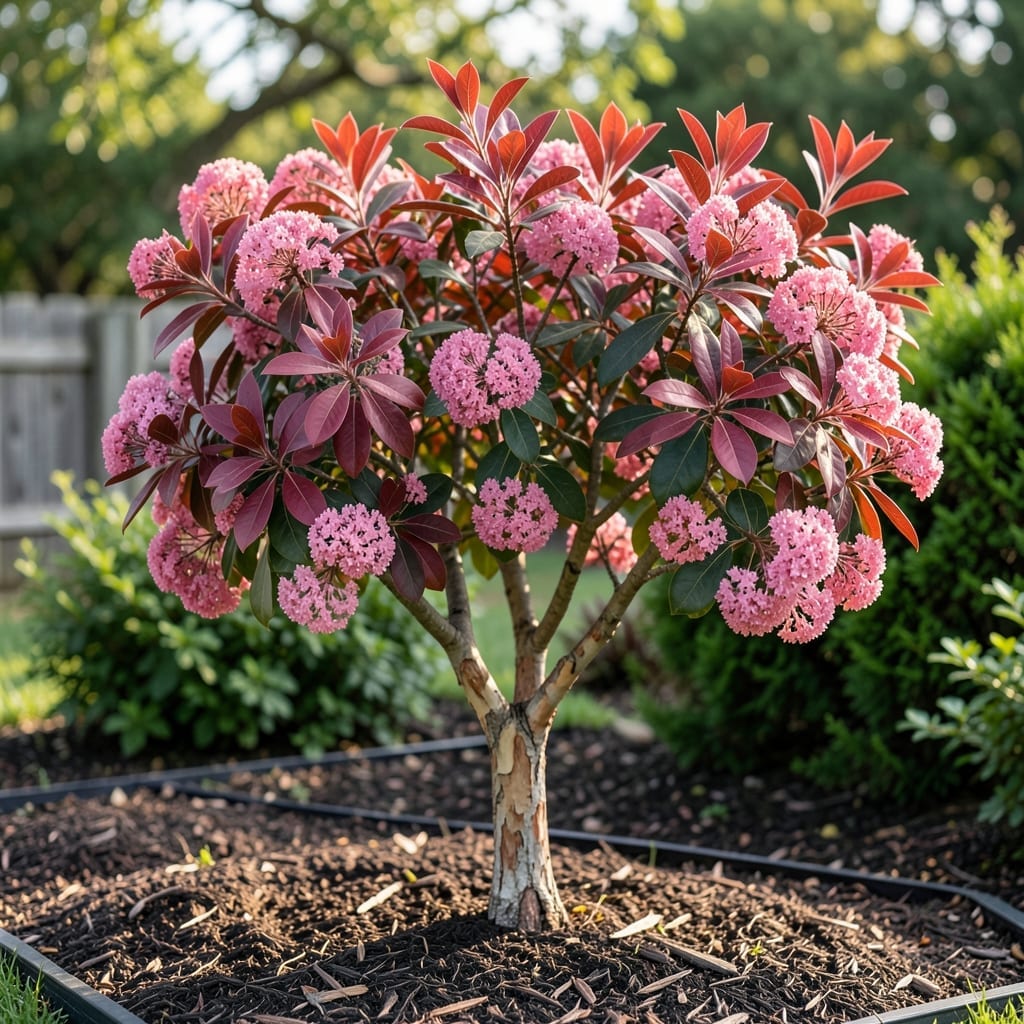
My crepe myrtles turned crimson overnight last fall. 🌿 Not the good kind of red—this was stress signaling, loud and clear.
Turns out, red leaves often mean the plant’s crying for help. Too much sun, not enough water, or a nutrient imbalance can all trigger this color change. I’ve seen it happen in drought conditions and after sudden temperature drops.
Fixing it means identifying the root cause. Adjust watering, check soil pH, or provide shade during heat waves. Most plants bounce back within 2-3 weeks once conditions improve.
Prevention is simpler than cure. Mulch well, water deeply, and monitor for early signs. Your crepe myrtles will thank you with vibrant green growth next season.
Crepe myrtles are beloved for their vibrant blooms, but when their leaves turn red unexpectedly, it’s often a sign of stress or environmental changes. Below are the most common causes, explained with actionable insights.
Extreme heat or cold can trigger anthocyanin production, the pigment responsible for red hues in leaves. In summer, temperatures above 90°F (32°C) may cause leaves to redden as a protective response to prevent sunburn. Conversely, early frost or chilly drafts below 50°F (10°C) can shock the plant, leading to premature color changes. Solution: Provide afternoon shade in scorching climates and mulch the base to insulate roots in cooler weather.
Both drought stress and overwatering can induce reddening. Under water stress, crepe myrtles conserve energy by producing anthocyanins, while soggy roots suffocate, impairing nutrient uptake. Check soil moisture 2 inches deep—if bone-dry or waterlogged, adjust your watering schedule. Pro tip: Water deeply but infrequently (1–2 times per week) to encourage deep root growth.
A lack of phosphorus or magnesium often manifests as red or purplish leaves, especially in older foliage. Phosphorus deficiency slows energy transfer, while magnesium is critical for chlorophyll production. Conduct a soil test and amend with a balanced fertilizer (10-10-10) or Epsom salt (magnesium sulfate) if levels are low.
Diseases like powdery mildew or leaf spot can stress the plant, leading to discoloration. Reddish spots or patches often accompany these infections. Improve air circulation by pruning dense branches, and apply neem oil or a copper-based fungicide at the first sign of trouble.
If your crepe myrtle is sporting unexpected red leaves, don’t panic—there’s usually a simple fix. Below are targeted solutions for the most common causes, paired with prevention tips to keep your tree thriving.
Red or purple leaves often signal a phosphorus deficiency. Use a balanced, slow-release fertilizer (like 10-10-10 or 8-8-8) in early spring. Avoid high-nitrogen blends, which can worsen the issue. Prevention tip: Test your soil every 2–3 years to catch imbalances early. 💡
Both overwatering and drought can turn leaves red. Water deeply 1–2 times per week (more in extreme heat), letting the top inch of soil dry between sessions. Mulch around the base to retain moisture. Prevention tip: Install a rain gauge to avoid overwatering during wet spells. 🌧️
Young crepe myrtles or those in intense afternoon sun may develop red, scorched leaves. If possible, transplant to a spot with partial shade or use shade cloth during peak summer. Prevention tip: Gradually acclimate new plants to full sun over 2–3 weeks. ☀️
Aphids and spider mites can stress the tree, leading to discoloration. Blast pests off with water or apply neem oil or insecticidal soap. Prevention tip: Encourage ladybugs and lacewings—natural predators—by planting pollinator-friendly flowers nearby. 🐞
Not always. Some varieties naturally develop red leaves in fall or during new growth. However, sudden reddening outside these times usually signals stress like drought or nutrient deficiency.
With proper care, most recover in 2-3 weeks. Fix the underlying issue (water, nutrients, or pests), and monitor progress. Severe cases may take longer or require pruning affected areas.
Yes! Too much nitrogen can create imbalances, leading to red or purple hues. Stick to balanced fertilizers and follow soil test recommendations. Always water after applying to prevent root burn.