
Beautiful Plants For Your Interior
Beautiful Plants For Your Interior
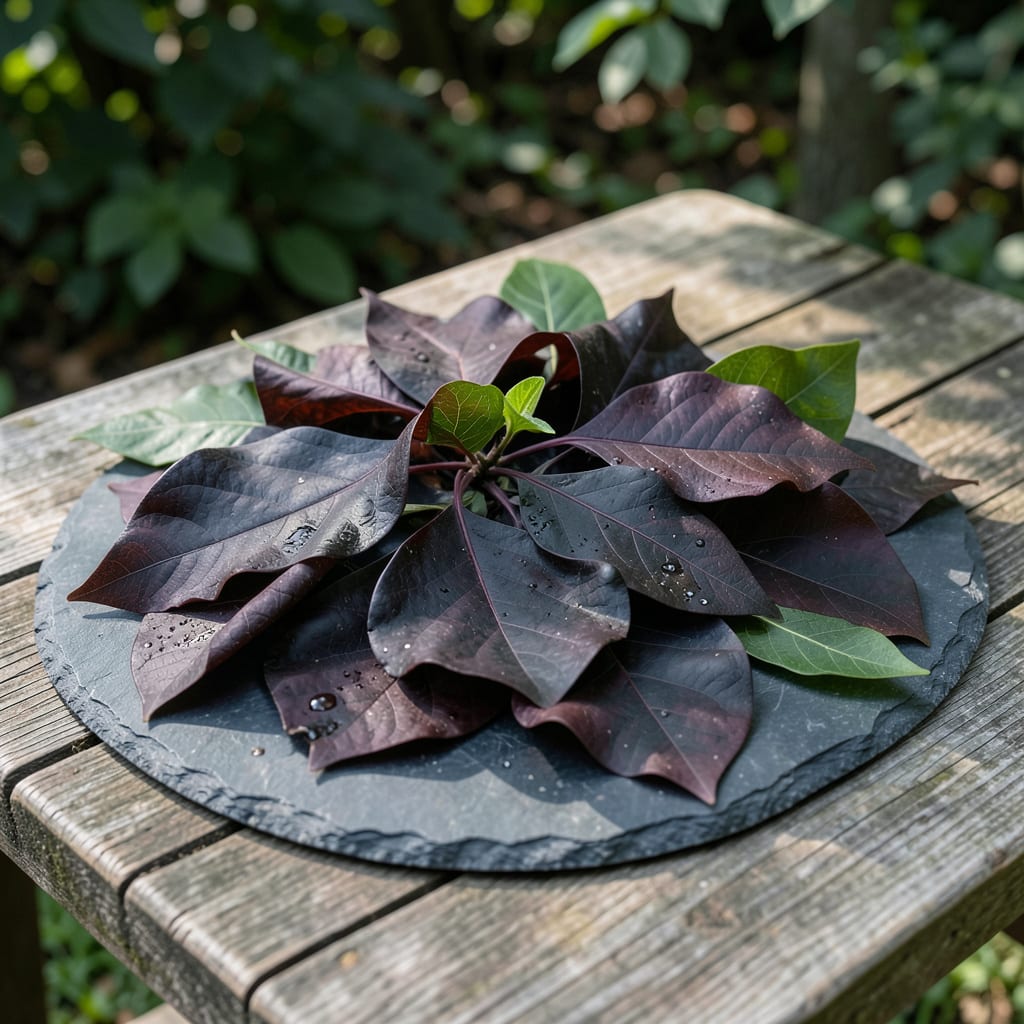
Dark leaves on your crepe myrtle aren’t normal, but they’re fixable. I’ve seen this issue pop up in my own garden, and it usually comes down to three things: too much water, not enough nutrients, or a sneaky fungal problem.
Once you figure out which one’s causing the trouble, the solutions are straightforward. Most of the time, adjusting your care routine brings the leaves back to their vibrant color within a few weeks.
📚 In This Guide
Here’s how I approach this issue, step by step, to restore your plant’s health.
Start by examining the darkened leaves closely. Look for patterns like black spots, purple tinges, or uniform darkening across the entire leaf. I use a magnifying glass to check for tiny insects or fungal structures that might be causing the discoloration.
Note whether the darkening appears on older leaves first or affects new growth. This helps determine if it’s a nutrient deficiency (which typically starts with older leaves) or a fungal issue (which often appears on new growth). Also observe if the dark areas feel crispy or mushy—this tells you whether it’s a watering issue or disease.
Crepe myrtles need full sun (at least 6-8 hours daily) and well-draining soil. Dark leaves can result from too much shade, which reduces chlorophyll production. I’ve seen this happen when a nearby tree grows taller and suddenly shades the plant.
Review your watering routine. Both overwatering and underwatering can cause darkening. Stick your finger 2 inches into the soil—if it feels soggy or bone dry, adjust your watering. Also, ensure the plant isn’t sitting in waterlogged soil, which can lead to root rot and darkened foliage.
A soil test is the most reliable way to identify deficiencies. Dark leaves often signal phosphorus deficiency, which causes a deep green or purplish tint, especially on older leaves. I’ve also seen magnesium deficiency create dark green veins with yellowing between them.
If testing isn’t an option, try fertilizing with a balanced, slow-release fertilizer (10-10-10 or similar). Apply it at the base of the plant, following package instructions, and water it in well. Avoid high-nitrogen fertilizers, as they can promote leafy growth at the expense of flowers and may worsen the issue if phosphorus is the real problem.
If the dark leaves show spots or a sooty appearance, a fungal disease like leaf spot or powdery mildew might be the culprit. Remove and destroy affected leaves to prevent spread. I apply a copper-based fungicide or neem oil, following label instructions, especially if the problem persists after cultural adjustments.
For pests like aphids or scale, which can cause dark, sooty mold to grow on their honeydew secretions, treat with insecticidal soap or horticultural oil. Spray thoroughly, covering both the tops and undersides of the leaves, and repeat every 7-10 days until the pests are gone.
After making changes, observe the plant for 2-3 weeks. New growth should emerge in a healthier, lighter green if you’ve addressed the issue. If the dark leaves persist, revisit your diagnosis—sometimes multiple factors are at play.
I keep a garden journal to track symptoms, treatments, and progress. This helps me spot patterns over time. Remember, crepe myrtles are resilient, and with the right care, they’ll often bounce back within a growing season.
The right approach makes all the difference in restoring your plant’s health.
The Inspection Advantage: In Step 1, using a magnifying glass to check for tiny insects or fungal structures is game-changing. I once missed scale insects because they blended into the leaf veins—magnification revealed the problem immediately. Look for patterns like black spots or purple tinges to pinpoint the cause faster.
Sunlight and Soil Check: Step 2 emphasizes the need for 6-8 hours of full sun daily and well-draining soil. If your crepe myrtle suddenly gets shaded by a growing tree, don’t underestimate how quickly this can affect leaf color. Also, that 2-inch soil test with your finger is the simplest way to catch watering issues before they escalate.
Fertilizer Wisdom: For Step 3, avoid high-nitrogen fertilizers if you suspect phosphorus deficiency. I learned this the hard way—my crepe myrtle grew lush but produced fewer blooms until I switched to a balanced, slow-release option. Stick with 10-10-10 or similar for reliable results.
Treatment Timing: In Step 4, if you’re using copper-based fungicide or neem oil, consistency is key. The 7-10 day repeat interval isn’t arbitrary—it breaks the pest or disease lifecycle. I mark my calendar to stay on track.
Dark leaves often indicate fungal diseases like sooty mold or root rot, usually caused by excess moisture or poor air circulation. Check for pests (e.g., aphids) that secrete honeydew, which attracts sooty mold.
Act at the first sign of discoloration, ideally in early spring or summer when growth is active. Remove affected leaves immediately and apply fungicide or neem oil to prevent spread.
Yes! Overwatering leads to root rot, which restricts nutrient uptake, causing leaves to darken or blacken. Ensure well-draining soil and water only when the top inch of soil is dry.
Try neem oil or a baking soda spray (1 tbsp baking soda + 1 gallon water + a drop of dish soap) to combat fungi. Improve airflow by pruning dense branches and removing fallen debris.
