
Beautiful Plants For Your Interior
Beautiful Plants For Your Interior
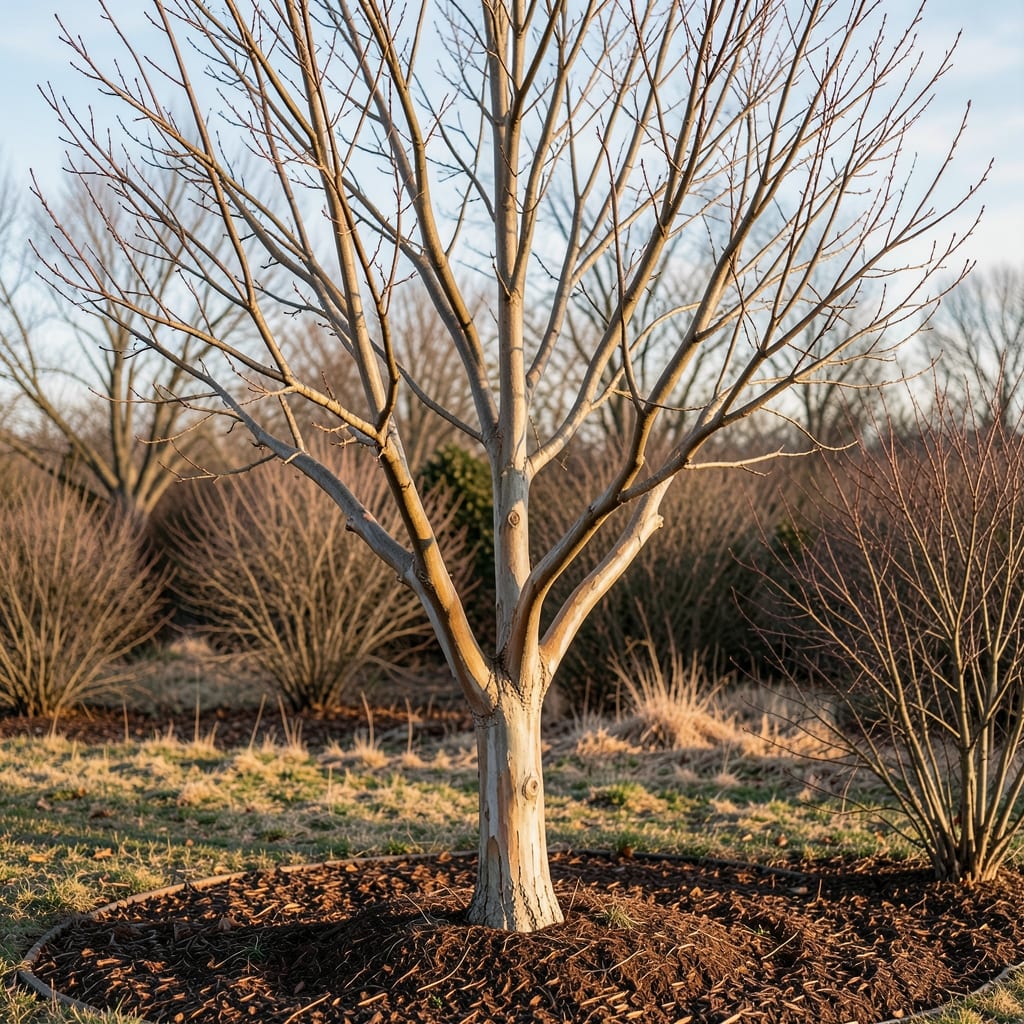
I’ve stood in front of my crepe myrtle in late winter, convinced it was dead. No leaves, brittle branches, zero signs of life—only to watch it explode with blooms by June.
Here’s the thing—crepe myrtles often look like they’ve given up during dormancy. But sometimes, it’s real distress from disease, drought, or poor soil. The difference comes down to a few simple checks.
Scratch the bark: green underneath means it’s alive. Look for tiny buds forming. If you see either, it’s just sleeping. If not, we’ll figure out what’s wrong and how to fix it.
Between you and me, I’ve saved more than a few by catching the problem early. Let’s get to the bottom of it.
Crepe myrtles are hardy, but even these resilient plants can appear lifeless due to several stress factors. Understanding the root causes helps you revive them or prevent future issues.
Sudden cold snaps or unseasonal warmth can shock crepe myrtles, especially in early spring or late fall. These plants enter dormancy in winter, but unexpected freezes after new growth emerges can damage tender tissues, making the tree look dead. Conversely, heatwaves without adequate watering stress the plant, leading to leaf scorch and branch dieback.
Both drought and overwatering trigger decline. Crepe myrtles need consistent moisture but hate soggy roots. Prolonged dry spells cause leaves to crisp and drop, while waterlogged soil suffocates roots, preventing nutrient uptake. A simple finger test (check soil 2 inches deep) reveals if it’s too dry or saturated.
Pathogens like powdery mildew or root rot (from Phytophthora or Armillary fungi) weaken the plant. Powdery mildew coats leaves in white dust, stunting growth, while root rot turns roots mushy and black. Poor air circulation or excessive mulch often worsens these issues.
Aphids, scale insects, and borers sap the plant’s strength. Aphids and scale leave sticky honeydew (attracting sooty mold), while borers tunnel into stems, disrupting water flow. Check for tiny holes in bark or sticky residue on leaves as telltale signs.
Over-pruning (or “crepe murder”) removes too much foliage, stressing the tree and reducing its ability to photosynthesize. Always prune in late winter and avoid cutting more than 25% of the canopy to prevent shock.
If your crepe myrtle appears lifeless, don’t panic—it may just need a little TLC. Below are targeted fixes for common issues, along with prevention tips to keep your plant thriving.
Fix: Stop watering immediately and check the soil. If it’s soggy, let it dry out for a few days. For severe cases, improve drainage by amending the soil with compost or sand. Trim any blackened, mushy roots to prevent rot.
Prevention: Water only when the top 2-3 inches of soil are dry. Use a well-draining soil mix and ensure pots have drainage holes.
Fix: Give the plant a deep watering—slow and steady until the soil is moist but not waterlogged. Mulch around the base to retain moisture.
Prevention: Water deeply 1-2 times per week during dry spells, especially for young plants. Established crepe myrtles are drought-tolerant but still need occasional hydration.
Fix: Inspect leaves and stems for aphids, scale, or powdery mildew. Treat with neem oil or insecticidal soap, applying in the early morning or late evening for best results.
Prevention: Keep the area clean and free of debris. Prune to improve airflow, and avoid overhead watering to discourage fungal growth.
Fix: Prune back dead or damaged branches to encourage new growth. If the entire plant looks dead, wait until spring—crepe myrtles often bounce back after cold snaps.
Prevention: In colder climates, plant in a sheltered spot or use frost cloth during winter. Mulch heavily around the base for insulation.
Fix: Apply a balanced, slow-release fertilizer (10-10-10) in early spring. For yellowing leaves, test soil pH and adjust if needed—crepe myrtles prefer slightly acidic to neutral soil (6.0-7.0).
Prevention: Fertilize once a year and avoid over-fertilizing, which can harm the plant. Regularly test soil to monitor nutrient levels.
With the right care, your crepe myrtle can recover and flourish. Stay patient and consistent!
Scratch the bark with your fingernail. If you see green underneath, it’s alive and dormant. Also check for tiny buds forming on branches. If both are absent by late spring, the plant may not recover.
Prune the dead branches back to healthy wood. This encourages new growth and prevents pests from moving in. Use clean, sharp tools to avoid further damage.
Wait until late winter or early spring, just before new growth starts. Avoid pruning in fall, as it can stimulate tender growth that cold weather may kill.
Yes, too much fertilizer can burn roots and stress the plant. Stick to one application per year in early spring, using a balanced formula. Always follow package instructions.