
Beautiful Plants For Your Interior
Beautiful Plants For Your Interior
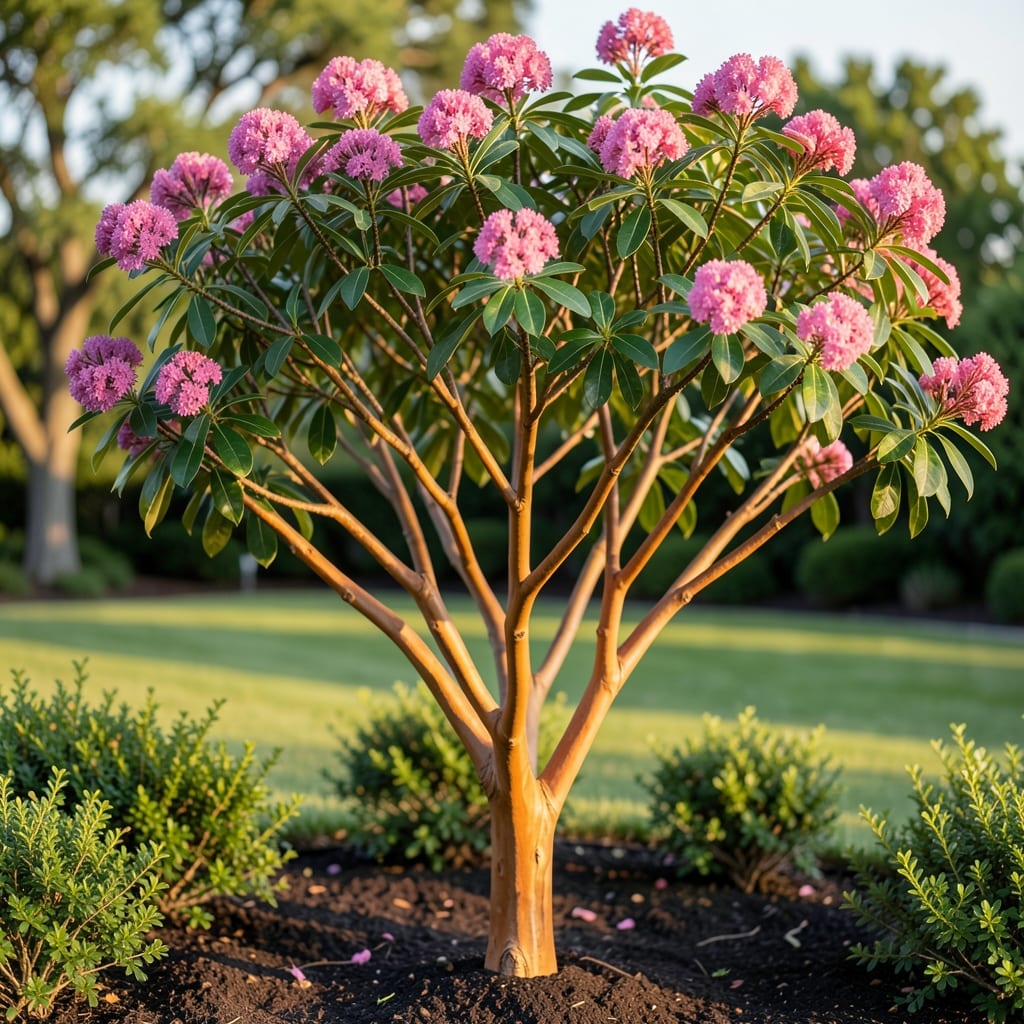
Black leaves on crepe myrtles usually indicate fungal diseases like sooty mold or leaf spot, often caused by aphid infestations or excessive moisture. Poor air circulation and overwatering can also contribute to this issue.
I’ve seen this happen when aphids leave behind a sticky residue that attracts mold, or when wet conditions create the perfect breeding ground for fungal spores. Proper pruning and improved drainage can make a huge difference in preventing recurrence. The key is addressing the root cause, not just the symptoms. ✨
💡 In This Article
The blackening begins when aphids secrete honeydew, a sugary waste that coats leaves. This sticky substance becomes a magnet for sooty mold spores floating in the air. Within 24-48 hours, these spores germinate and form dark, powdery colonies that block sunlight from reaching the leaf surface. 🔥
Fungal leaf spot diseases, like Cercospora or Alternaria, take hold when moisture lingers on foliage for 6+ hours. These pathogens produce enzymes that break down leaf tissue, creating dark, irregular spots that eventually merge. Warm temperatures between 75-85°F and high humidity accelerate this process dramatically. ✨
Environmental stress plays a compounding role. Overwatered roots suffocate in waterlogged soil, reducing the plant’s ability to absorb nutrients and defend against pathogens. Meanwhile, dense canopies with poor airflow trap moisture, creating a microclimate perfect for fungal growth. This is why crepe myrtles planted too closely together often show blackening first. 🌟
What most gardeners overlook is the pH connection. Crepe myrtles thrive in slightly acidic soil (pH 6.0-6.5). When soil becomes alkaline, nutrient deficiencies weaken the plant, making it more susceptible to both fungal infections and pest infestations. A simple soil test can reveal this hidden stressor. ⚡
The interaction between these factors creates a vicious cycle. Aphid damage stresses the plant, making it more vulnerable to fungal infections, which then further weaken the tree. Breaking this cycle requires addressing all contributing factors simultaneously, not just treating the visible symptoms. 💫
Sooty mold spreads fast when honeydew from aphids coats leaves. Within 24-48 hours, spores germinate and form dark colonies. Warm, humid conditions accelerate this process dramatically.
Waterlogged soil suffocates roots and reduces nutrient uptake. This weakens the plant, making it more susceptible to fungal infections. Always let soil dry between waterings.
Apply a neem oil spray every 7-10 days at dusk. This disrupts aphid life cycles and prevents mold growth. Mix 2 tbsp neem oil with 1 gallon of water for best results.
Yes. Dense canopies trap moisture, creating perfect conditions for fungi. Space crepe myrtles 8-10 feet apart to improve airflow and reduce humidity around leaves.