
Beautiful Plants For Your Interior
Beautiful Plants For Your Interior
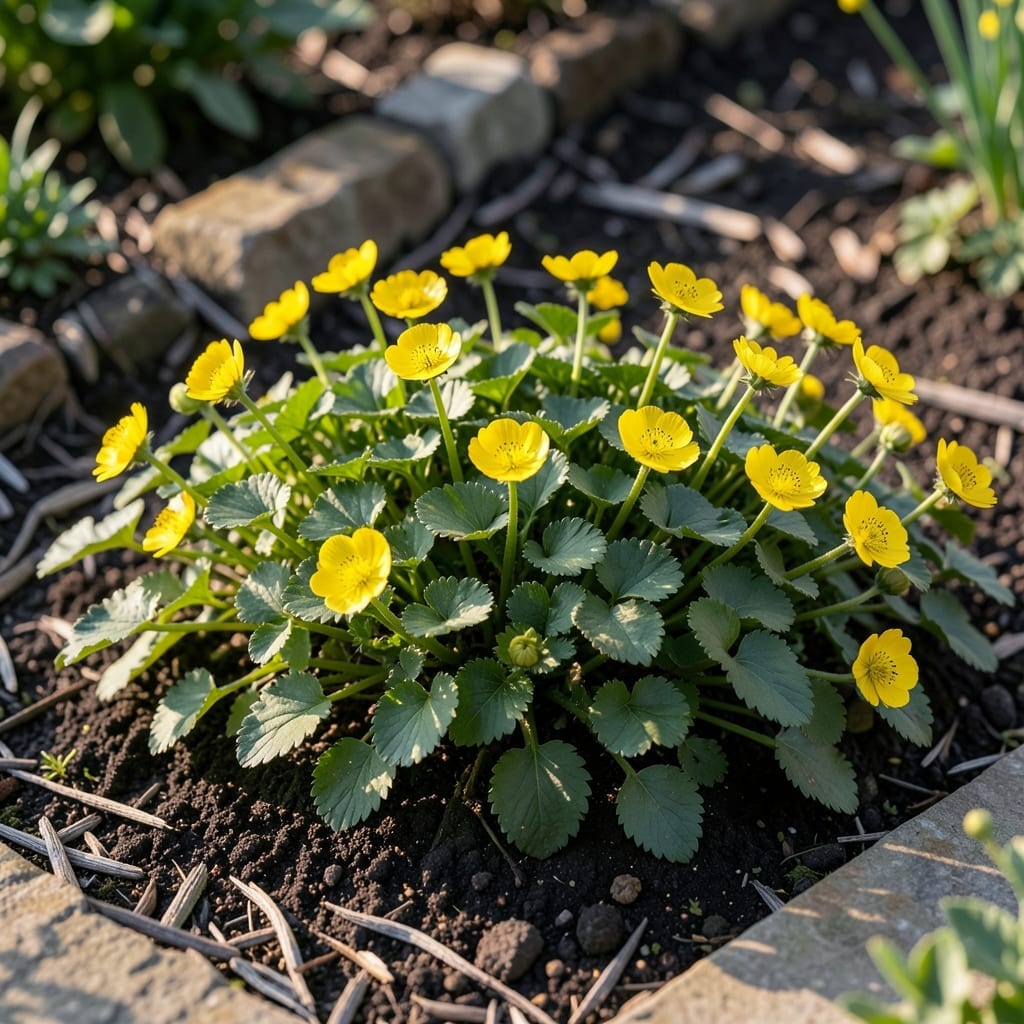
Those cheerful yellow blooms spreading across your lawn? They’re probably creeping buttercup or similar invaders. I’ve battled these stubborn weeds in my own yard, and I know how quickly they can take over.
The good news is they’re not impossible to beat. With the right approach, you can reclaim your space in days, not weeks. Hand-pulling works for small patches, but for larger areas, you’ll need a smarter strategy.
What you’ll get are clean, weed-free beds or lawn areas that stay that way. The key is consistency—hitting them early and often before they seed and spread.
Works for gardens, lawns, or anywhere these yellow pests pop up. Here’s how to tackle them for good.
Understanding why creeping small weeds with yellow flowers appear can help you prevent their spread. These invasive plants thrive under specific conditions, often signaling underlying issues in your garden or lawn.
Weak or compacted soil lacks the nutrients and structure to support healthy grass or plants, creating open spaces for weeds like Creeping Buttercup or Dandelion to take hold. Poor drainage and low organic matter further encourage their growth, as these weeds tolerate harsh conditions better than desirable plants.
Inconsistent watering practices stress lawns and gardens, weakening them against invasive species. Overwatering creates soggy patches where creeping weeds flourish, while underwatering leaves bare spots for their seeds to germinate. Yellow-flowering weeds often have deep roots, allowing them to survive in both extremes.
Some creeping weeds, such as Creeping Cinquefoil, thrive in full sun, while others adapt to partial shade. Thin or patchy lawns due to improper light exposure give these weeds the perfect opportunity to spread. Adjusting plant selection or pruning nearby trees can restore balance.
Neglecting regular mowing, edging, or mulching allows weeds to establish and spread unchecked. These plants often outcompete slower-growing grass or ornamentals, especially in high-traffic or disturbed areas where soil is exposed.
Creeping weeds with yellow blooms can quickly take over your garden, but these targeted fixes will help you reclaim your space. Below, we break down the most common causes and their solutions, plus prevention tips to keep them from returning.
Fix: Start by hand-pulling the weeds, ensuring you remove the roots to prevent regrowth. For larger areas, use a hoe or weeding tool to uproot them efficiently. Follow up with a layer of mulch (2–3 inches thick) to smother any remaining weeds and block sunlight.
Prevention: Keep your lawn dense and healthy by overseeding bare spots. In garden beds, maintain a thick mulch layer year-round.
Fix: Test your soil’s pH and nutrient levels. Amend it with compost or organic matter to improve its structure and fertility. Healthy soil encourages strong plant growth, which naturally crowds out weeds.
Prevention: Apply a balanced fertilizer seasonally and rotate crops to prevent soil depletion.
Fix: Set a weekly weeding schedule to catch new growth early. For persistent patches, use a natural herbicide like vinegar (1 gallon) mixed with dish soap (1 oz) and salt (1 cup). Spray directly on the weeds, avoiding desirable plants.
Prevention: Edge your lawn and garden beds to create a barrier, and clean your tools after each use to avoid spreading weed seeds.
Fix: Improve drainage by aerating compacted soil or installing French drains in waterlogged areas. Remove standing water promptly to discourage weed growth.
Prevention: Water deeply but infrequently (1–2 times per week) to encourage deep root growth in your plants, making it harder for weeds to establish.
Most are more of a nuisance than a direct threat. They compete with desired plants for nutrients and space. Some, like creeping buttercup, can be toxic to livestock in large quantities.
They reproduce via both seeds and creeping roots or stolons. Even a small piece of root left in the soil can regrow. Their ability to thrive in poor conditions helps them outcompete other plants.
Yes, but only if you remove the entire root system. For best results, pull after rain when soil is soft. Use a weeding tool for deep roots to prevent regrowth.