
Beautiful Plants For Your Interior
Beautiful Plants For Your Interior
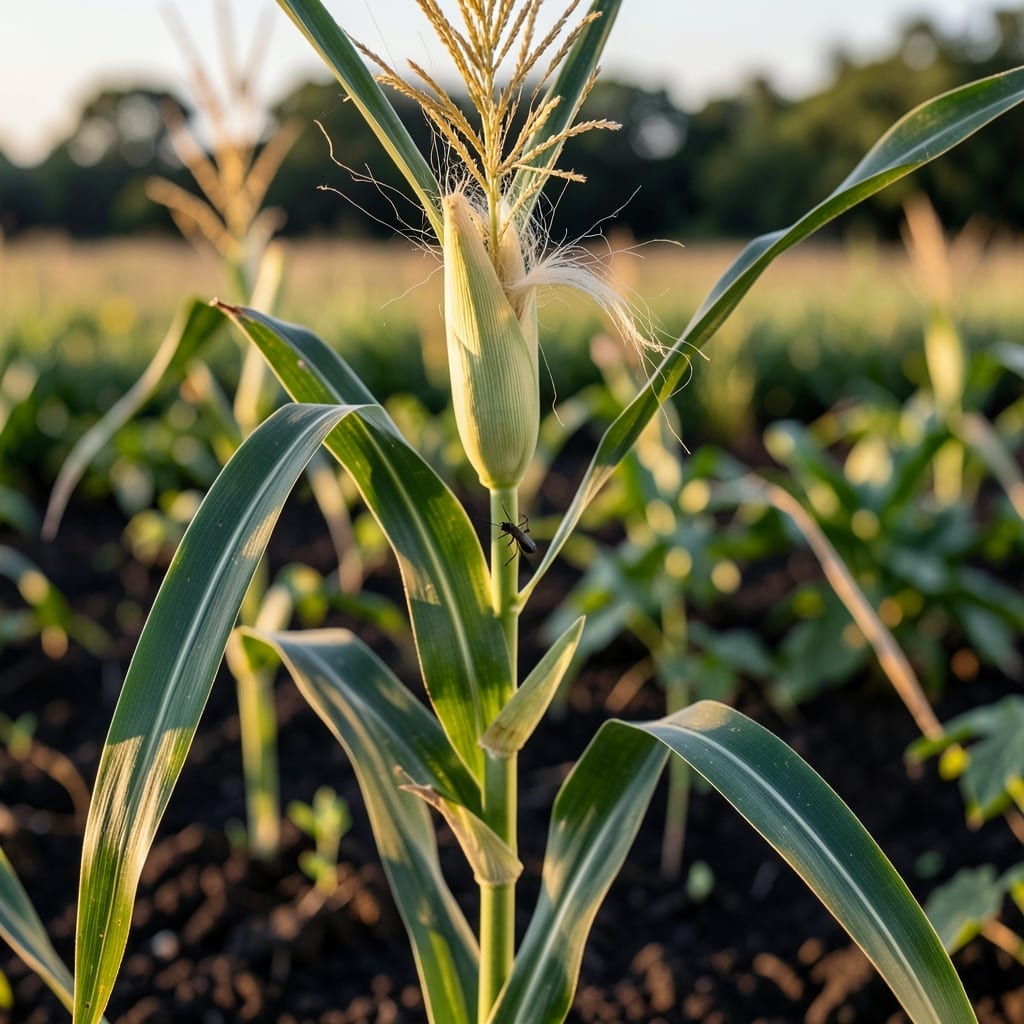
Tiny flies around your corn ears mean trouble. I first noticed them when my sweet corn kernels started looking chewed before they even matured.
The corn silk fly lays eggs in fresh silks, and the larvae bore into developing ears. Catching them early is key—look for small black flies hovering near silks and brown scars on kernels.
Organic control starts with timing. Plant corn in blocks rather than rows so silks emerge together, making it harder for flies to find targets. Beneficial insects like parasitic wasps help keep populations down.
For existing infestations, remove and destroy affected ears immediately. Next season, try resistant varieties or protective silk covers. This pest won’t ruin your harvest if you stay vigilant.
The presence of corn silk fly in your garden is typically tied to specific environmental and agricultural conditions. Understanding these causes can help you prevent infestations and protect your corn crop. Below are the primary factors that contribute to this pest problem.
Corn silk flies are naturally attracted to decaying or overripe corn silks. When silks remain on the ear after pollination or begin to deteriorate, they emit odors that signal the flies to lay their eggs. This is especially common in late-season corn or varieties with prolonged silk exposure.
These pests thrive in warm, moist environments. High humidity and temperatures between 75–90°F (24–32°C) accelerate their reproductive cycle. Fields with poor air circulation or excessive irrigation are particularly vulnerable, as they create ideal breeding grounds for the flies.
Leftover corn debris, unharvested ears, or rotting plant matter in the garden can harbor corn silk fly larvae. Failing to remove old crops or till the soil after harvest allows the pests to overwinter and reinfest the next planting season.
In ecosystems where beneficial insects (like parasitic wasps or ground beetles) are absent, corn silk fly populations can grow unchecked. Overuse of broad-spectrum pesticides often disrupts these natural controls, making the problem worse over time.
Dealing with silk fly infestations in your corn crop doesn’t have to be overwhelming. Below are practical, organic solutions to tackle the most common causes, along with prevention tips to keep your garden thriving. 🌱
Inspect corn silks regularly for eggs or larvae. If you spot infested ears, remove and destroy them immediately to prevent the pests from spreading. Burn or bury the affected ears deep in the soil to eliminate larvae before they mature.
Introduce or attract natural predators like parasitic wasps, ladybugs, or lacewings to your garden. Plant companion flowers such as dill, fennel, or marigolds to draw these beneficial insects. They’ll help keep silk fly populations in check naturally. 💡 Pro tip: Avoid broad-spectrum pesticides, as they can harm these helpful allies.
Prevent adult flies from laying eggs by covering corn plants with lightweight floating row covers during the silking stage. Secure the edges with soil or weights to ensure no gaps. Remove the covers once pollination is complete to allow for ear development.
Spray neem oil or kaolin clay on silks and ears to deter adult flies from laying eggs. Reapply after rain or every 5–7 days for best results. These organic options are safe for plants and won’t harm beneficial insects when used correctly. ✨
Rotate corn with non-host crops like beans or squash in the following season. This disrupts the silk fly’s life cycle and reduces the chance of reinfestation. Prevention tip: Avoid planting corn in the same spot year after year.
With these steps, you can protect your corn and enjoy a healthy, pest-free harvest! 🌽
Look for small black flies near silks and brown scars on kernels. Infested ears may have chewed or discolored kernels before maturing. Early detection is key to preventing spread.
Plant corn in blocks instead of rows so silks emerge together. Use floating row covers during silking and remove old crop debris after harvest.
Yes! Parasitic wasps, ladybugs, and lacewings feed on larvae. Plant dill or marigolds to attract them. Avoid broad-spectrum pesticides that harm these helpers.
Organic options like neem oil or kaolin clay work well. Apply every 5-7 days or after rain. Always follow label instructions for safety.