
Beautiful Plants For Your Interior
Beautiful Plants For Your Interior
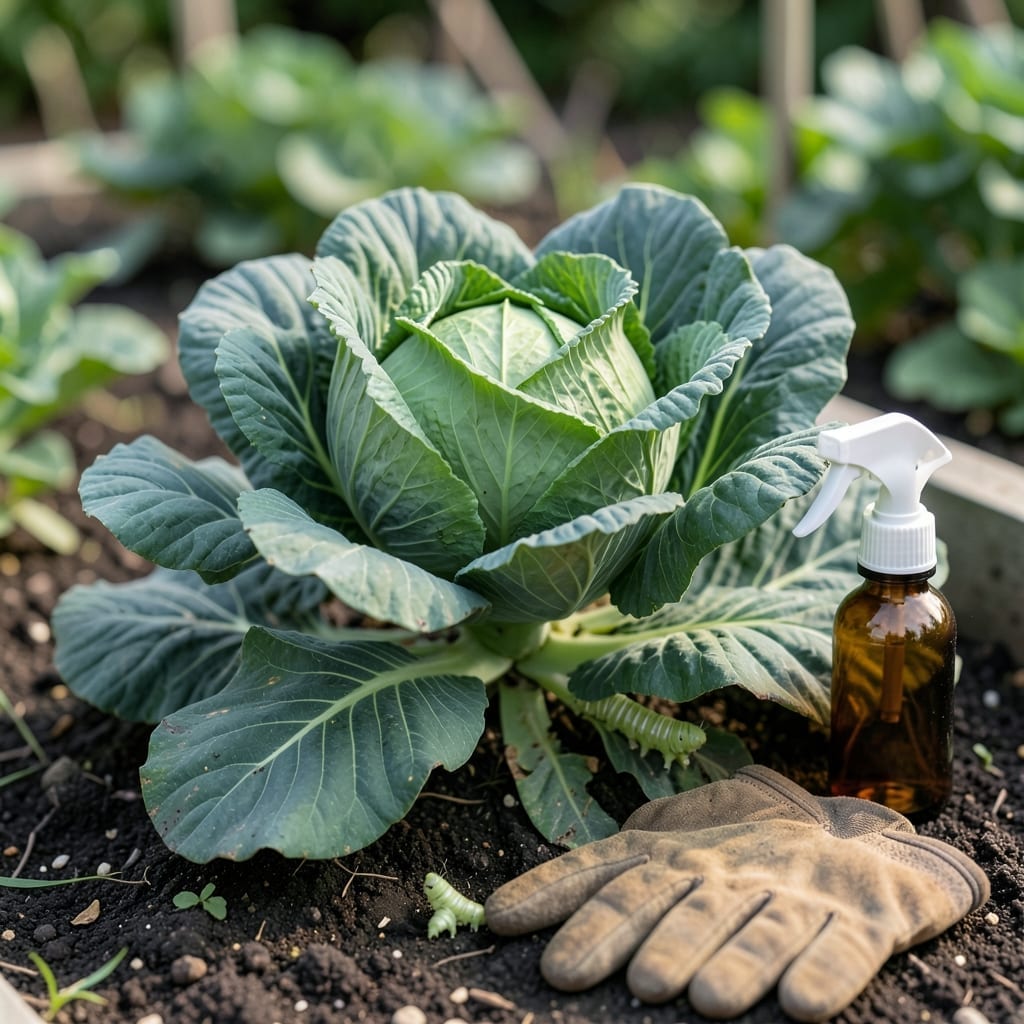
One morning I found my kale leaves looking like Swiss cheese. Cabbage loopers move fast, and those little green caterpillars can strip a brassica patch in 48 hours if left unchecked.
Here’s the thing—they’re not invincible. Hand-picking works surprisingly well for small gardens, especially early in the day when they’re sluggish. A foolproof organic spray made from BT (Bacillus thuringiensis) stops them cold without harming beneficial insects.
Prevention beats cure every time. Floating row covers create a physical barrier that keeps adult moths from laying eggs. Companion planting with thyme or dill confuses their sense of smell, making it harder to find your crops.
You’ll see results within days, with new growth coming in clean and healthy. The key is staying vigilant and acting at the first sign of those telltale holes.
Cabbage loopers thrive due to a mix of environmental and gardening factors. Understanding these causes helps you disrupt their lifecycle effectively.
Moths lay eggs that survive winter in garden debris or soil. Uncleared plant residue from brassicas (cabbage, kale, broccoli) provides shelter for pupae, which emerge as adults in spring to restart the cycle.
Large patches of brassicas create a buffet for adult moths. Trichoplusia ni females can detect host plants from miles away, and single-crop gardens signal an easy food source for their larvae.
Loopers reproduce fastest in temperatures between 70–85°F (21–29°C) with low humidity. Drought-stressed plants also produce higher concentrations of glucosinolates—compounds that attract egg-laying moths.
Parasitic wasps (like Trichogramma spp.) and birds normally keep looper populations in check. Overuse of broad-spectrum pesticides kills these beneficial insects, allowing loopers to multiply unchecked.
Planting brassicas in the same spot yearly lets loopers build up in the soil. Without rotation, pupae have a steady food supply, ensuring the next generation hatches right where they left off.
Cabbage loopers can quickly turn your garden into a buffet, but these practical fixes will help you reclaim control and protect your crops.
Inspect the undersides of leaves daily, especially in the early morning or late evening when loopers are most active. Drop any caterpillars you find into a bucket of soapy water to dispose of them. Prevention tip: Wear gloves to avoid skin irritation from the plants or pests.
Encourage beneficial insects like parasitic wasps, lacewings, and ladybugs, which feed on cabbage looper eggs and larvae. Plant companion flowers such as dill, fennel, or alyssum to attract these allies. Prevention tip: Avoid broad-spectrum pesticides that can harm these helpful predators.
Spray Bacillus thuringiensis (Bt) directly on leaves to target young loopers without harming other insects or plants. Reapply after rain or every 1-2 weeks for best results. Prevention tip: Spray in the evening to avoid harming pollinators like bees.
Cover plants with lightweight floating row covers to block adult moths from laying eggs. Secure the edges with soil or weights to prevent gaps. Prevention tip: Remove covers during flowering if pollination is needed for other crops.
Remove plant debris and weeds regularly, as they can harbor eggs and larvae. Till the soil after harvest to expose and disrupt overwintering pupae. Prevention tip: Rotate crops yearly to reduce recurring infestations in the same spot.
With these steps, you’ll keep cabbage loopers in check and enjoy a thriving, pest-free garden!
Inspect leaves daily, especially undersides where eggs and young larvae hide. Early morning or evening is best when loopers are most active.
Bt takes 1-3 days to kill loopers after ingestion. It only affects caterpillars actively feeding, so reapply every 1-2 weeks or after rain.
Thyme, dill, and mint confuse adult moths with strong scents. Alyssum attracts beneficial wasps that parasitize looper eggs.
Yes, but remove covers during flowering if pollination is needed. Secure edges tightly to prevent moths from sneaking underneath.