
Beautiful Plants For Your Interior
Beautiful Plants For Your Interior
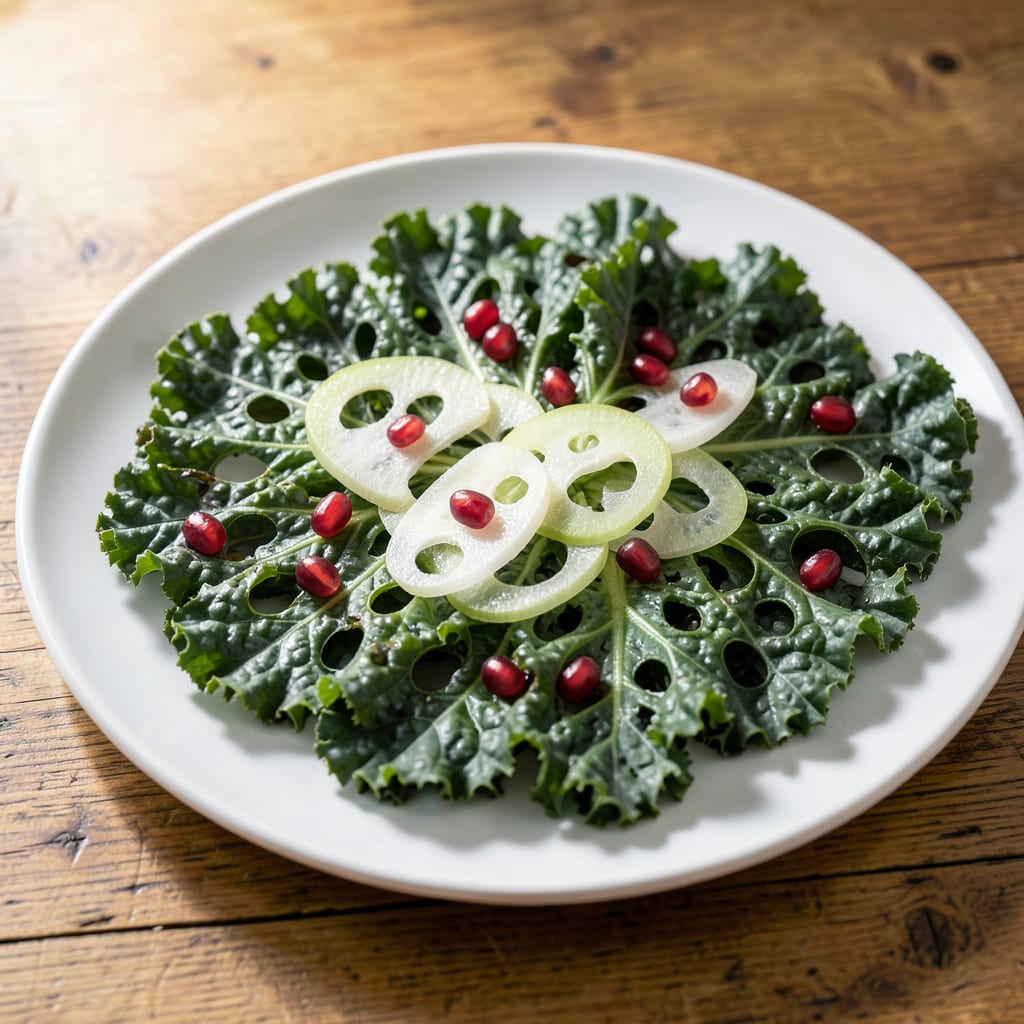
Nothing ruins a kale harvest faster than discovering ragged holes in the leaves. I’ve lost entire crops to these pests before learning to spot the culprits early.
Most holes come from cabbage worms, slugs, or flea beetles—each leaving distinct damage patterns. The good news: organic solutions like handpicking, neem oil, or row covers actually work.
You’ll save your plants with simple, targeted fixes rather than resorting to harsh chemicals. Prevention is easier than treatment, so timing matters.
Healthy kale bounces back fast once you remove the threat. The key is acting before the damage spreads to neighboring plants.
Kale is a hardy leafy green, but those unsightly holes in its leaves often signal an underlying issue. Here are the most common causes, explained simply:
Small holes with ragged edges are usually the work of cabbage worms or flea beetles. Cabbage worms (larvae of white butterflies) chew large, irregular holes, while flea beetles create tiny, shot-hole patterns. Aphids and slugs may also leave similar damage, often accompanied by sticky residue or slime trails.
While less common, pathogens like alternaria leaf spot or bacterial leaf blight can cause holes as infected tissue dies and falls out. These typically start as dark spots that expand, leaving behind gaps. High humidity and poor air circulation worsen the spread.
Extreme weather—such as hail, strong winds, or heat stress—can tear leaves, creating holes. Physical damage from garden tools or animals (like rabbits or deer) may also mimic pest activity. Check for consistent patterns to rule out non-living causes.
Though rare, calcium or potassium deficiencies can lead to weakened leaf structure, making kale more susceptible to tearing or pest attacks. Yellowing or distorted growth often accompanies these issues, signaling a need for soil testing.
Identifying the exact cause helps you target the solution effectively—whether it’s handpicking pests, improving drainage, or adjusting care practices.
Don’t let pests turn your kale into Swiss cheese! Here’s how to tackle holes in kale leaves with simple, organic fixes for each common cause.
Check the undersides of leaves for tiny green worms or yellow eggs. Pick them off by hand (drop into soapy water) or spray with Bacillus thuringiensis (Bt), a natural bacteria that targets caterpillars. Prevention tip: 💡 Cover young plants with floating row covers to block adult butterflies from laying eggs.
Tiny shot-like holes? Flea beetles are likely the culprits. Set up yellow sticky traps near plants or dust leaves with food-grade diatomaceous earth (reapply after rain). Prevention tip: 🌱 Rotate crops yearly and keep the garden free of weeds, which attract beetles.
Ragged, irregular holes (often near the base) signal slugs or snails. Create a copper tape barrier around beds or set out shallow dishes of beer as a trap. Prevention tip: ✨ Water in the morning so foliage dries by evening—slugs prefer damp conditions.
Sticky residue or curled leaves? Aphids may be sucking plant juices. Blast them off with water or spray with a mild insecticidal soap (1 tbsp liquid soap per quart of water). Prevention tip: 🎯 Encourage ladybugs (natural predators) by planting companion flowers like marigolds or alyssum.
Pro tip: 🔥 Inspect plants daily—early action stops small issues from becoming infestations!
Cabbage worms, flea beetles, and slugs are the top culprits. Worms create large, irregular holes, while flea beetles make tiny shot-like ones. Slugs leave ragged edges and slime trails.
Use floating row covers to block pests, handpick visible insects, and apply diatomaceous earth around plants. Companion planting with marigolds also deters many pests.
No! Environmental stress like hail or wind can tear leaves. Nutrient deficiencies or fungal infections can also create similar damage. Always inspect patterns closely.
