
Beautiful Plants For Your Interior
Beautiful Plants For Your Interior
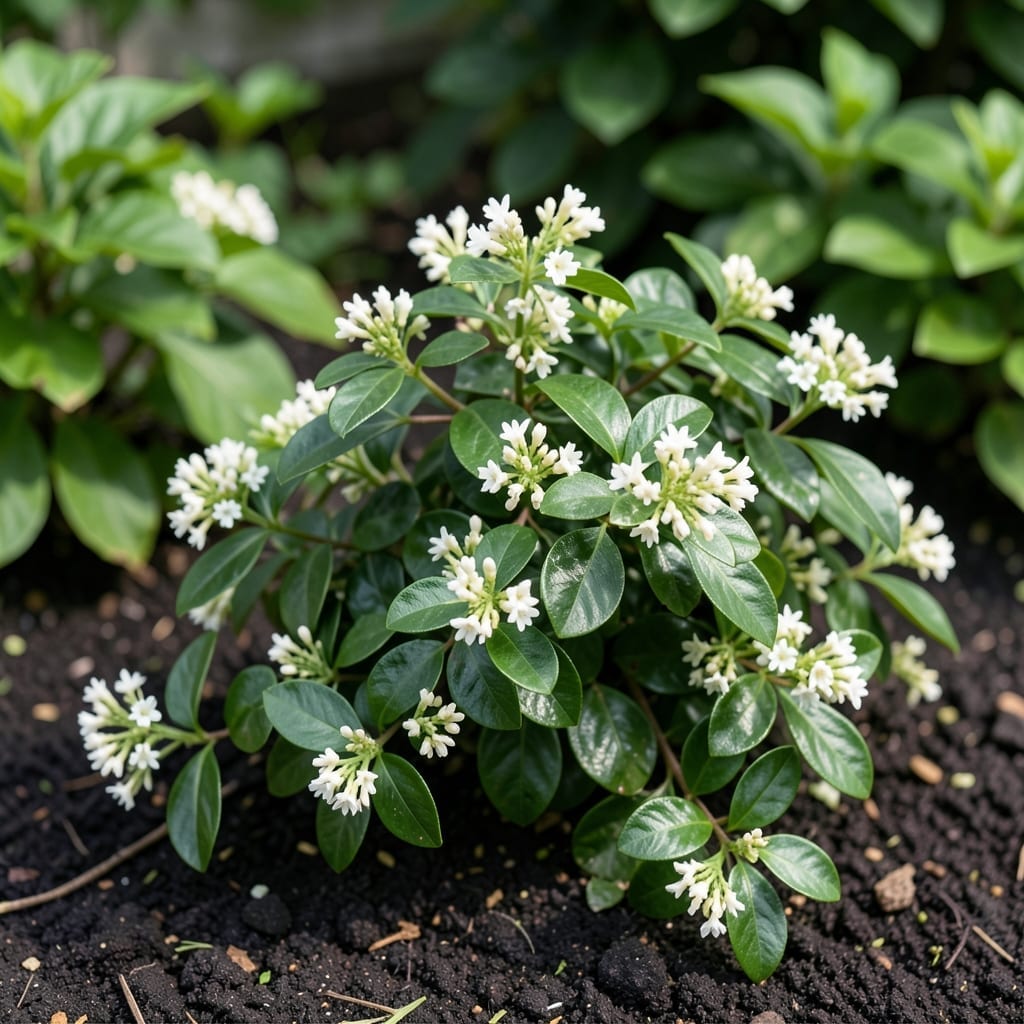
My Confederate jasmine vines looked healthy but refused to bloom last spring. Turns out, I was making two simple mistakes that many gardeners overlook with this plant.
These evergreen climbers need the right balance of sunlight and nutrients to produce their signature white flowers. Too much shade or an unbalanced fertilizer can leave you with lush foliage but no blossoms.
With a few adjustments to pruning timing and feeding schedule, you can transform a non-blooming vine into a fragrant, flower-covered showstopper. The fix often takes just one season.
Works for established plants and new plantings alike. Here’s how to diagnose and correct the issue for good.
When your confederate jasmine (Trachelospermum jasminoides) fails to bloom, several underlying factors may be at play. Here’s why it happens:
Confederate jasmine thrives in full sun to partial shade. If planted in deep shade, the plant may produce lush foliage but few to no flowers. This species requires at least 4–6 hours of direct sunlight daily to trigger blooming. Sunlight drives photosynthesis, which fuels flower production. Without it, the plant conserves energy by skipping blooms.
Both extremes disrupt flowering. Overwatering leads to root rot, stressing the plant and diverting energy from blooms. Underwatering causes drought stress, slowing growth and flower development. Aim for consistent moisture—water when the top 1–2 inches of soil are dry, and ensure well-draining soil to prevent waterlogging.
Too much nitrogen promotes leafy growth at the expense of flowers. Confederate jasmine benefits from a balanced fertilizer (10-10-10) or one slightly higher in phosphorus (e.g., 7-9-5) to encourage blooming. Avoid heavy feeding in late summer or fall, as this can delay or reduce the next season’s flowers.
Pruning at the wrong time or too aggressively can remove flower buds. Confederate jasmine blooms on old wood, so prune immediately after flowering (late spring/early summer) to avoid cutting off next year’s buds. Severe pruning can also stress the plant, delaying blooms.
This plant is cold-hardy to USDA zones 7–11, but late frosts or prolonged cold can damage flower buds or stress the plant. Protect it with mulch in colder climates, and avoid planting in exposed, windy areas.
If your Confederate jasmine isn’t blooming, these targeted fixes will help bring the flowers back. Start by diagnosing the issue, then apply the appropriate solution.
Confederate jasmine needs 6+ hours of direct sunlight daily to bloom. If it’s in deep shade, move it to a sunnier spot or prune back overhanging branches to let light in.
Prevention tip: 💡 Plant in a south- or west-facing location from the start.
Pruning at the wrong time (like late summer) can remove next year’s flower buds. Prune immediately after blooming ends to avoid cutting off new buds.
Prevention tip: ✨ Mark your calendar to prune right after the last flowers fade.
Use a balanced, slow-release fertilizer (10-10-10) in early spring. Avoid high-nitrogen formulas, which promote leafy growth at the expense of blooms.
Prevention tip: 🎯 Soil test every 2–3 years to monitor nutrient levels.
Both drought and soggy roots can stop blooming. Water deeply once a week (more in extreme heat), ensuring the soil drains well.
Prevention tip: 🌡️ Mulch with 2–3 inches of organic material to retain moisture evenly.
Newly planted Confederate jasmine may take 2–3 years to bloom. Focus on healthy growth with proper watering and light, then wait for maturity.
Prevention tip: 🌱 Choose mature plants from nurseries if you want faster blooms.
Confederate jasmine requires 6+ hours of direct sunlight to produce blooms. Less light results in lush foliage but few to no flowers.
Prune immediately after flowering ends, usually in late spring or early summer. This avoids cutting off next year’s buds.
Use a balanced fertilizer (10-10-10) or one slightly higher in phosphorus to encourage blooming. Avoid high-nitrogen formulas.
Newly planted Confederate jasmine may take 2–3 years to mature and produce flowers. Patience and proper care are key.