
Beautiful Plants For Your Interior
Beautiful Plants For Your Interior
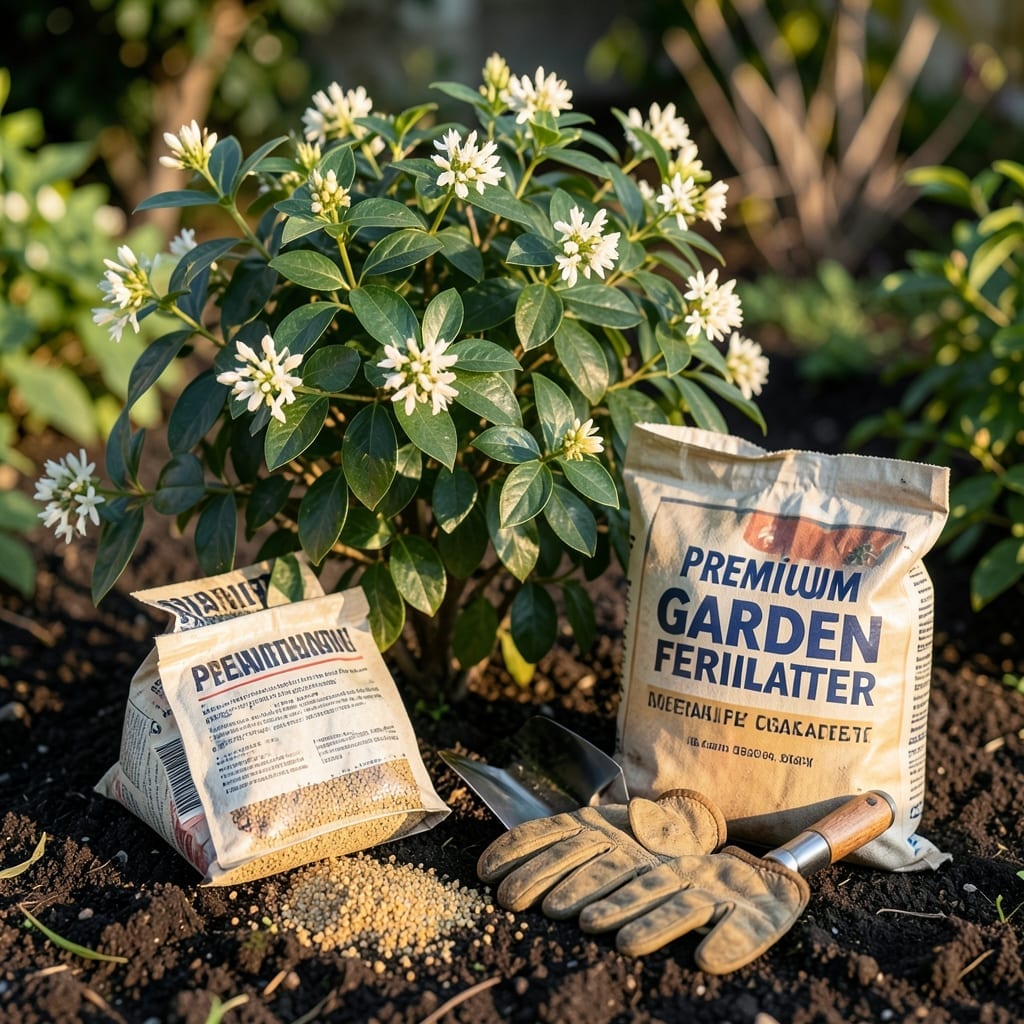
There’s nothing quite like the sight and scent of 🌸 Confederate Jasmine in full bloom, but those stunning white flowers won’t reach their full potential without proper care.
Many gardeners assume this hardy vine thrives on neglect, only to wonder why their blossoms appear sparse or lackluster. The truth is, even low-maintenance plants need the right nutrients to shine.
I’ve learned that timing and technique make all the difference when fertilizing this beautiful climber. The good news? It’s easier than you might think to get it right.
Discover the simple yet effective strategies that will have your Confederate Jasmine bursting with blooms season after season.
To get those lush white blooms on your Confederate jasmine, the right fertilizer type is key. This vine thrives with a balanced NPK ratio, like 10-10-10, to support both foliage growth and flower production.
I recommend starting with a slow-release granular fertilizer in early spring. This gives your jasmine vine a steady supply of essential nutrients as it wakes from dormancy.
| Fertilizer Type | NPK Ratio | Best For |
| Balanced Granular | 10-10-10 | Spring feeding |
| Liquid Bloom Booster | 12-18-12 | Summer blooms |
| Organic Compost | Varies | Soil health |
| Acid-Loving Plant Food | 30-10-10 | pH adjustment |
For organic gardeners, compost tea or worm castings work wonders. These natural fertilizers improve soil structure while providing gentle nutrition without chemical burn risk.
A liquid fertilizer with higher phosphorus content (like 12-18-12) can boost blooming during summer months. I apply this every 4-6 weeks for maximum flower production.
Don’t overlook soil pH—Confederate jasmine prefers slightly acidic soil (pH 6.0-6.5). If your soil is alkaline, an acid-loving plant fertilizer can help correct this.
For container-grown jasmine, I use a water-soluble fertilizer every 2 weeks during the growing season. This ensures potted plants get nutrients that might wash out with frequent watering.
Remember, less is more with fertilization. Overdoing it can lead to leaf burn or excessive foliage at the expense of beautiful blooms. Always follow package instructions carefully.
I’ve found that alternating between granular and liquid fertilizers gives the best results. The granular provides long-term nutrition, while liquid offers quick boosts when needed.
Finally, always water deeply after applying fertilizer. This helps distribute nutrients evenly through the root zone and prevents fertilizer burn on the roots. 🌿
Timing your fertilizer application is key for Confederate jasmine. I always start feeding in early spring as new growth appears, then continue every 4-6 weeks through summer. This schedule keeps the vine thriving.
For best results, apply balanced fertilizer like a 10-10-10 in the morning. This gives the plant time to absorb nutrients before the heat of the day kicks in. I’ve found this timing prevents nutrient burn.
I prefer granular fertilizers for slow release, but liquid feeds work well for quick boosts. Always water deeply after applying to help nutrients reach the roots. This simple step makes a huge difference in bloom quality.
Avoid over-fertilizing, which can lead to leaf burn or excessive foliage with fewer flowers. Stick to the recommended dosage, and your jasmine will reward you with fragrant, abundant blooms all season long.
If you notice yellowing leaves, it might be a sign of nutrient deficiency. A soil test can help you adjust your fertilization plan. I’ve saved many plants this way!
Finally, remember that well-draining soil is just as important as the fertilizer itself. Confederate jasmine dislikes soggy roots, so ensure your soil allows excess water to escape easily.
🌸