
Beautiful Plants For Your Interior
Beautiful Plants For Your Interior
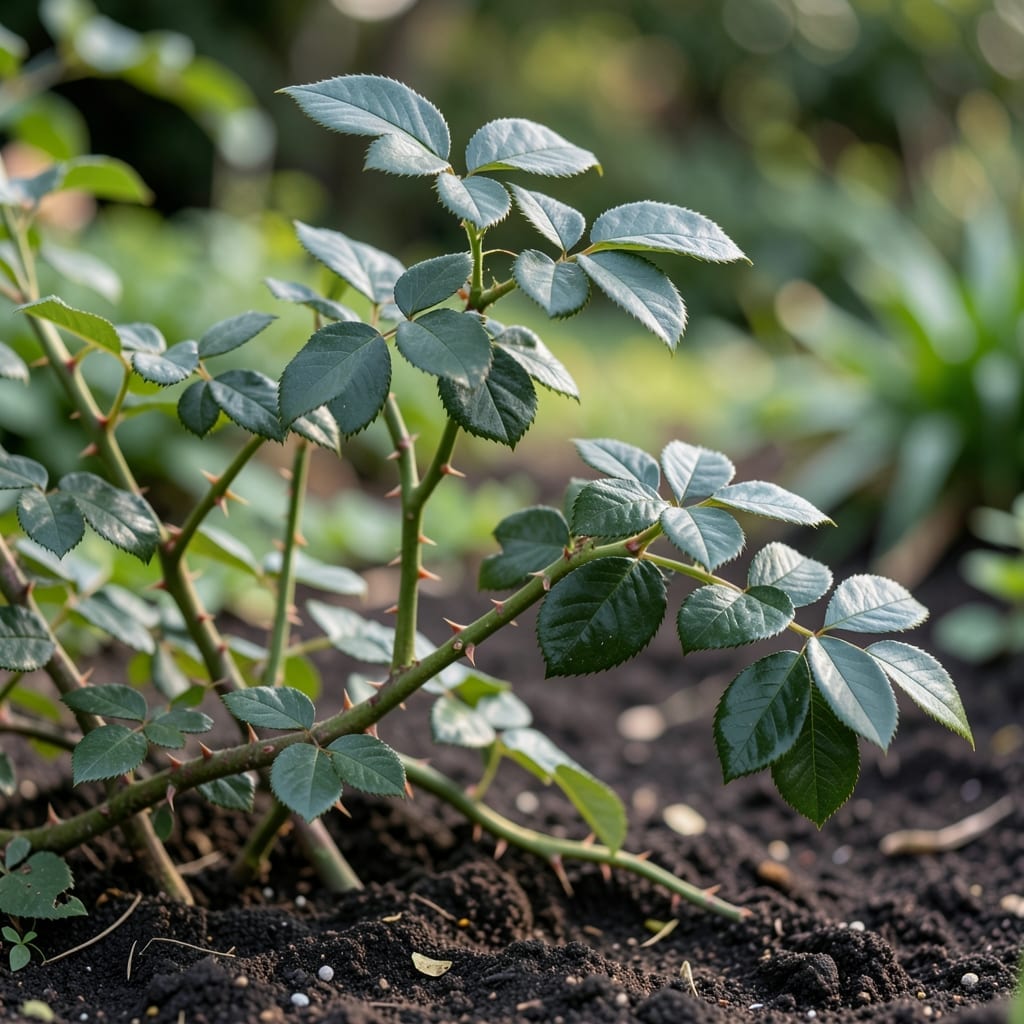
Last summer, my climbing rose looked like a green wall with no flowers. 🌿 I tried everything until I realized the problem wasn’t bad luck—it was bad timing and technique.
Most climbing roses bloom on last year’s wood, so pruning at the wrong time or cutting too much can wipe out next season’s flowers. They also need full sun and the right nutrients to focus energy on blooms instead of just leaves.
With a few adjustments to my pruning schedule and feeding routine, those same canes exploded with dozens of blooms the following year. The difference was shocking.
Here’s how to diagnose what’s holding your roses back and fix it for good.
Climbing roses may fail to bloom due to a few common, fixable causes. Below are the most likely reasons your plant isn’t producing flowers, along with the science behind each issue.
Roses bloom on old wood (last year’s growth) or new wood (current season’s growth), depending on the variety. Pruning at the wrong time—such as cutting back old wood in early spring—removes potential flower buds. Climbing roses often bloom on lateral shoots from the previous year, so aggressive pruning can eliminate these entirely.
A lack of phosphorus (the “P” in NPK fertilizer) directly impacts flowering, as it’s essential for bud formation and energy transfer. Over-fertilizing with nitrogen (promoting leafy growth) or potassium (root development) without balancing phosphorus can starve the plant of what it needs to bloom. Soil tests can confirm imbalances.
Roses require 6–8 hours of direct sunlight daily to produce flowers. Insufficient light disrupts photosynthesis, reducing the plant’s ability to create the sugars and energy needed for blooming. Shade from nearby trees or structures is often the culprit.
Extreme temperatures, drought, or waterlogged soil can trigger stress responses in roses, diverting energy from flowering to survival. Heatwaves may cause buds to blast (drop before opening), while cold snaps can damage tender new growth where flowers form.
Infestations of aphids, thrips, or spider mites sap the plant’s strength, while fungal diseases like black spot or powdery mildew weaken foliage, reducing its capacity to support blooms. A stressed plant prioritizes defense over reproduction.
If your climbing rose isn’t blooming, don’t lose hope—these fixes can bring it back to life. Below are targeted solutions for common causes, along with prevention tips to keep your roses flourishing.
Roses are heavy feeders. If the soil lacks nutrients, blooms won’t form. Fix: Apply a balanced, slow-release rose fertilizer (10-10-10 or 5-10-5) in early spring and again after the first bloom cycle. For organic options, work in compost or well-rotted manure around the base. Prevention tip: 💡 Test soil annually and amend as needed to maintain fertility.
Pruning at the wrong time can remove potential blooms. Fix: For repeat-blooming climbers, prune in late winter or early spring before new growth starts. For once-bloomers (flowering on old wood), prune immediately after they finish blooming. Always use clean, sharp tools and remove dead or weak canes. Prevention tip: ✨ Label your roses to track their type and pruning schedule.
Too much or too little water can stress the plant, stifling blooms. Fix: Water deeply 1–2 times per week (more in extreme heat), aiming for 1–1.5 inches of water total. Use a soaker hose to avoid wetting the foliage, which can lead to disease. Mulch with 2–3 inches of organic matter to retain moisture. Prevention tip: 🌡️ Check soil moisture 2 inches down—if dry, it’s time to water.
Climbing roses need 6–8 hours of sunlight daily to produce abundant blooms. Fix: If your rose is in shade, consider transplanting it to a sunnier spot. For fixed structures (like walls), trim nearby trees or plants casting shadows. Prevention tip: 🎯 Observe sunlight patterns in your garden before planting new climbers.
Aphids, beetles, or fungal diseases (like black spot) can weaken the plant. Fix: Spray aphids off with water or use insecticidal soap. For diseases, remove affected leaves and apply a fungicide. Keep the area clean to prevent reinfection. Prevention tip: 🍃 Encourage beneficial insects (like ladybugs) and ensure good air circulation around the plant.
Prune repeat-blooming climbers in late winter or early spring before new growth starts. For once-bloomers, prune right after they finish flowering to avoid cutting off next year’s buds.
Yes! Climbing roses need 6–8 hours of direct sunlight daily. If your rose is in shade, transplant it or trim nearby obstructions to let more light in.
Look for pale leaves, weak growth, or no buds. Use a balanced rose fertilizer with higher phosphorus (the middle number) to promote blooming. Test soil annually for best results.
This is called bud blast and often happens due to extreme heat, drought, or sudden temperature swings. Keep soil consistently moist and provide afternoon shade in hot climates.