
Beautiful Plants For Your Interior
Beautiful Plants For Your Interior
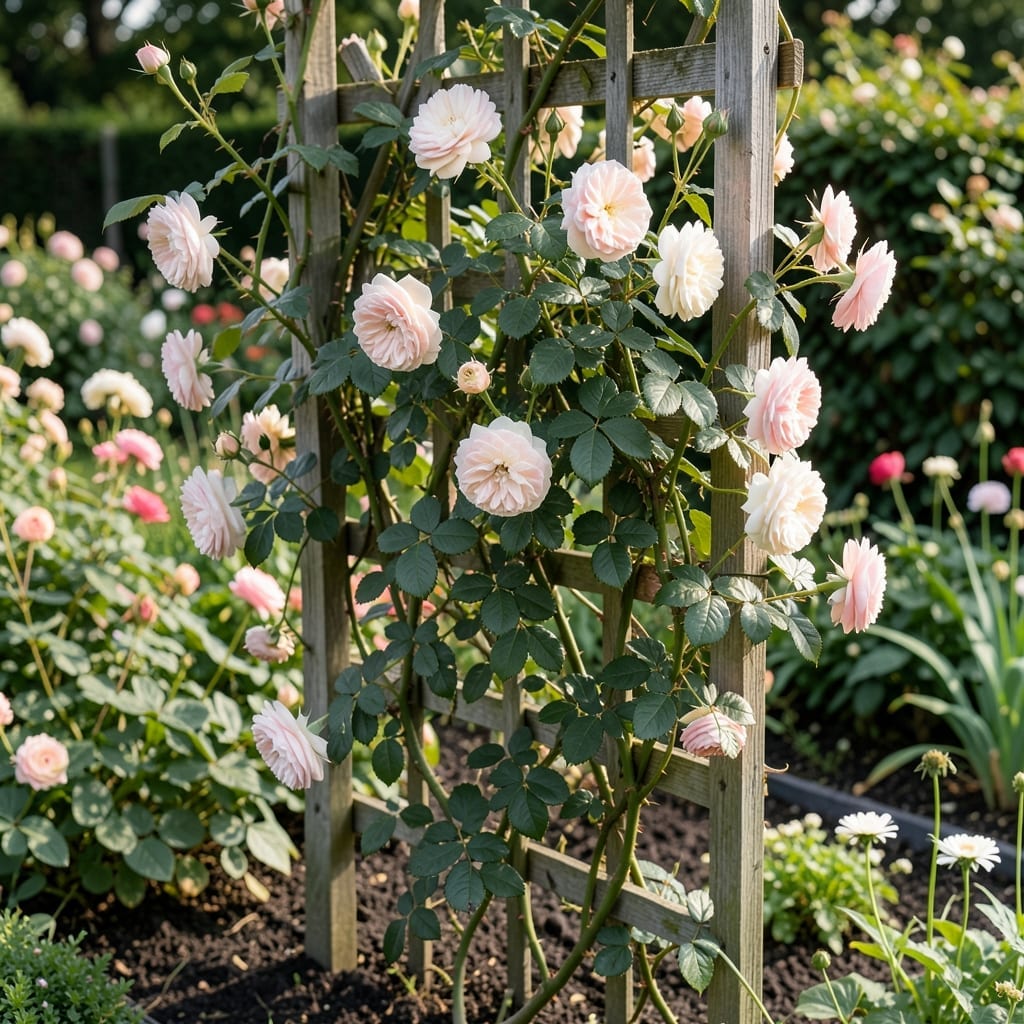
Climbing roses can transform any garden into a vibrant, fragrant paradise, but their success hinges on one critical factor: sunlight. Get the light conditions wrong, and you risk weak growth and sparse blooms.
The 🌹 Climbing Roses thrive in zones 4-11, but without the right light, even the hardiest varieties will struggle. Many gardeners assume these beauties need constant sun, but the truth might surprise you.
Discover how to balance light exposure for your Climbing Roses and watch them flourish like never before. Let’s uncover the secrets to their ideal growing conditions.

If you want your climbing roses to thrive, sunlight is non-negotiable. These vigorous plants need 6-8 hours of direct sun daily to produce their signature abundant blooms and strong canes.
While some varieties tolerate partial shade, too little light leads to weak growth and fewer flowers. I always recommend morning sun as it’s gentler and dries dew quickly, reducing disease risk. ☀️
| cell” style=”background-color:#6fd544;color:#ffffff”>Specification | |
| row”> | cell”>4-6 hours (reduced blooming) |
| row”> | cell”>Low (some varieties better) |
In my experience, south-facing walls or trellises provide the perfect sun exposure. These spots get consistent light and allow the roses to climb upward, maximizing their access to sunlight.
Hybrid tea climbers and Floribunda climbers demand the most sun, while old garden roses like ‘New Dawn’ can handle a bit more shade. Even shade-tolerant types bloom better with more light.
If your garden has dappled shade, place your climbers where they get unfiltered sun for at least half the day. I’ve seen roses struggle in deep shade, producing long, leggy stems with sparse foliage.
For hot climates, afternoon shade can actually be beneficial. It prevents petal scorch and keeps the soil from drying out too quickly. In these cases, east-facing locations work wonderfully.
Remember, consistent sunlight is key. A spot that gets full sun in summer but deep shade in winter won’t cut it. Observe your garden’s light patterns across seasons before planting.
If you’re unsure about your garden’s light, try this: Track the sun’s path for a day. Note which areas get direct light and for how long. Your roses will thank you for the extra effort.
With the right sunlight, your climbing roses will reward you with vibrant blooms and healthy growth year after year. 🌹
If your climbing roses look lackluster, sunlight might be the culprit. Leggy stems with few leaves are a classic sign of insufficient light. These plants stretch toward any available sun, resulting in weak, sparse growth.
Another red flag is reduced blooming. Roses need adequate light to produce their stunning flowers. If your plant is barely flowering, it’s likely begging for more sun. I’ve seen this often in gardens with heavy tree canopy coverage. ☀️
Pale foliage and yellowing leaves often indicate a lack of sunlight. Without enough light, roses can’t photosynthesize effectively, leading to poor health and increased disease susceptibility.
Powdery mildew and other fungal issues thrive in shady, damp conditions. If you notice white powdery spots on leaves, your roses might need more air circulation and direct sunlight to stay dry and healthy.
In my garden, I once planted a climber in a north-facing spot with only 3-4 hours of sun. The result? Sparse blooms and weak canes. After moving it to a sunnier location, the difference was dramatic within one season.
Don’t overlook flower color changes. Some roses produce paler blooms in low light. If your ‘ECu de Provence’ looks washed out, it might need more sun exposure to maintain its rich, vibrant hue.
To fix these issues, prune back nearby plants blocking light or consider relocating your roses. Even adjusting a trellis angle can make a big difference in sunlight capture. 🌹