
Beautiful Plants For Your Interior
Beautiful Plants For Your Interior
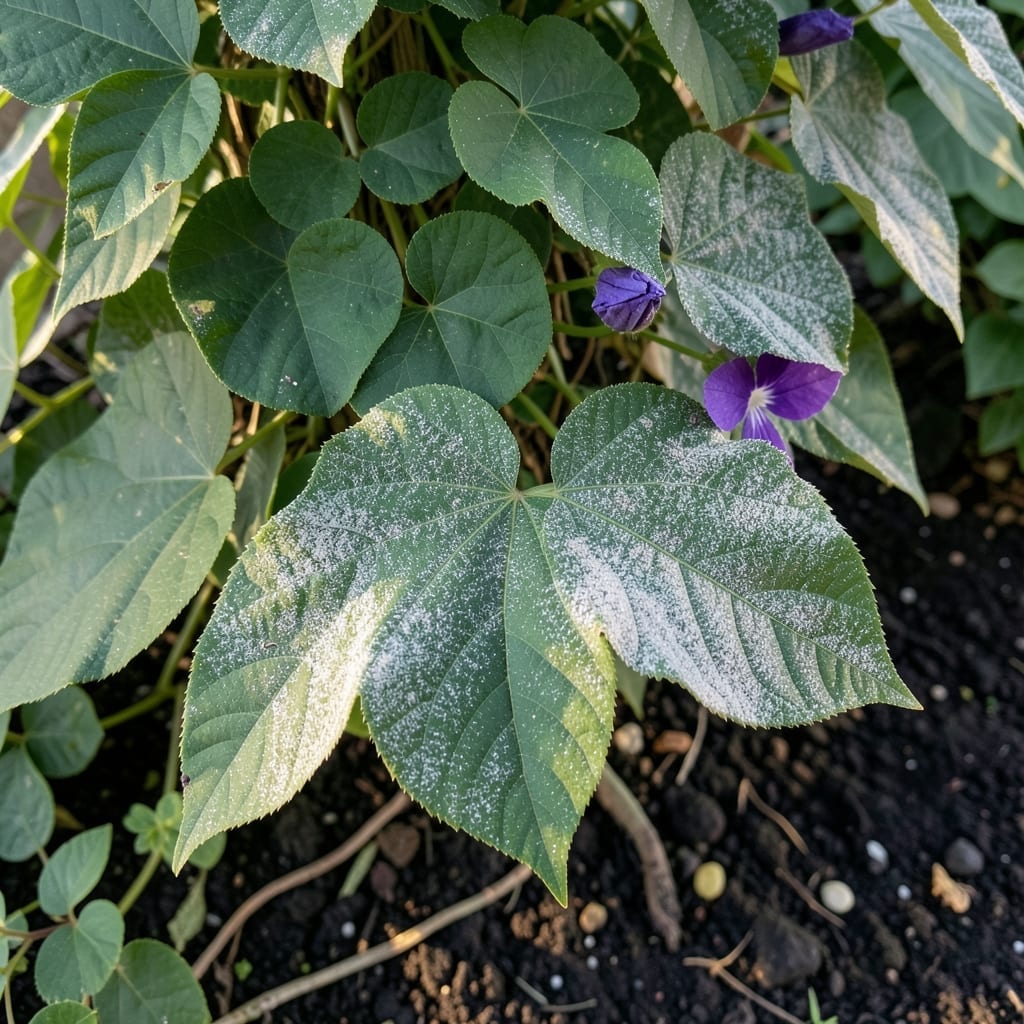
White powder on your clematis leaves means trouble. I’ve lost entire vines to this silent spreader before learning to spot it early.
Powdery mildew starts as faint white spots, then coats leaves like someone dusted them with flour. It weakens plants, stunts growth, and can kill blooms before they open.
Here’s the thing—it thrives in humid, shady conditions with poor air flow. Fix those issues first, then treat what’s already there.
With the right approach, your clematis can bounce back fast. No need for harsh chemicals either—organic solutions work just as well.
Powdery mildew on clematis doesn’t appear out of nowhere—it thrives under specific environmental and cultural conditions. Understanding these triggers helps you prevent outbreaks before they start.
The fungus Erysiphe spp. (common in clematis) spreads rapidly in stagnant, humid air. When moisture lingers on leaves—especially in crowded plantings or shaded areas—spores germinate quickly. Relative humidity above 60% is a major red flag.
Wetting foliage during irrigation creates a perfect breeding ground. Unlike soil-borne diseases, powdery mildew doesn’t need free water to infect, but damp leaves accelerate spore production. Always water at the base to keep foliage dry.
Some clematis cultivars (e.g., Clematis montana or large-flowered hybrids) are genetically prone to infection. Their dense growth habits trap humidity, while others (like C. viticella) show resistance. Check your plant’s vulnerability before planting.
Powdery mildew flourishes in warm days (60–80°F) and cool nights, common in spring and fall. These shifts stress plants, weakening their defenses. Monitor forecasts and act preemptively during transitional seasons.
Pro tip: Prune for airflow and space plants 3–4 feet apart to disrupt the fungus’s ideal conditions.
Powdery mildew on your clematis can feel frustrating, but these targeted fixes will help restore your plant’s health. Below are practical solutions mapped to common causes, plus prevention tips to keep it from returning.
Thick foliage traps moisture, creating a perfect breeding ground for mildew. Trim overcrowded stems to improve airflow, and space plants at least 3 feet apart. Remove any weeds or debris around the base to reduce humidity.
Prevention tip: 💡 Plant clematis in open, breezy spots where air can circulate freely.
Wet leaves are a mildew magnet. Water at the base of the plant early in the day so foliage stays dry. If using sprinklers, switch to a drip irrigation system or soaker hose to keep leaves dry.
Prevention tip: 💡 Avoid watering in the evening—damp leaves overnight invite fungal growth.
Mildew thrives in humid conditions. Thin out surrounding plants to reduce shade and moisture. If your clematis is in a pot, move it to a sunnier spot with better airflow.
Prevention tip: 💡 Mulch with gravel or pebbles to minimize soil moisture splashing onto leaves.
For active infections, spray leaves with a mix of 1 tablespoon baking soda + 1 teaspoon dish soap + 1 gallon of water. Reapply every 7–10 days. For stubborn cases, use a fungicide labeled for powdery mildew (like neem oil or sulfur-based products), following package instructions.
Prevention tip: 💡 Remove and destroy infected leaves or stems to prevent the fungus from spreading.
With these steps, your clematis can bounce back—and stay mildew-free with a little proactive care!
Yes! Start treatment immediately with a baking soda spray or neem oil. Remove heavily infected leaves to stop the spread. Early action often restores plant health within 2-3 weeks.
Spores overwinter in plant debris. Always clean up fallen leaves in autumn and prune for airflow. Resistant varieties like C. viticella may need less maintenance.
A 1:9 milk-water solution works as a natural fungicide. The proteins disrupt fungal growth. Apply weekly but avoid using on very hot days to prevent leaf burn.