
Beautiful Plants For Your Interior
Beautiful Plants For Your Interior
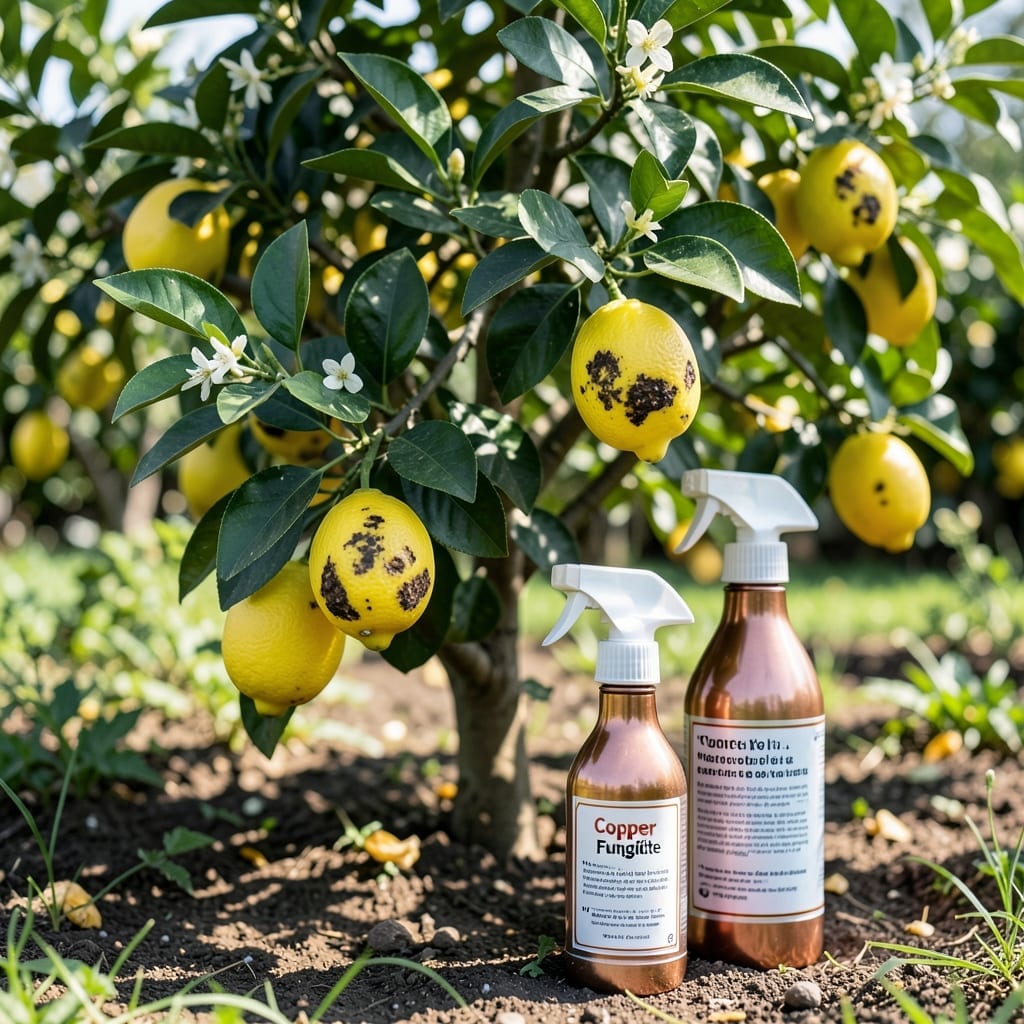
That ugly scab on your citrus fruit isn’t just unsightly—it spreads fast. I lost half my lemon crop one year before figuring out the organic defense that actually works.
Citrus scab thrives in warm, humid conditions, attacking leaves and fruit when they’re most vulnerable. Left unchecked, it disfigures harvests and weakens trees over multiple seasons.
Here’s the thing—copper sprays work, but timing is everything. Apply too late and you’re playing catch-up. The organic approach I use now prevents outbreaks before they start.
You’ll see cleaner fruit within a season and trees that bounce back stronger. No chemicals, no guesswork—just consistent, healthy results.
Citrus scab is a fungal disease that disrupts the growth and appearance of citrus fruits. Understanding its causes is key to effective prevention and citrus scab control. Below are the primary factors that trigger this issue.
The main culprit behind citrus scab is the fungus Elsinoë fawcettii. This pathogen thrives in warm, humid conditions, infecting young leaves, shoots, and fruit. It spreads through wind-driven rain, which carries spores to vulnerable plant tissues. Once established, it creates unsightly, scab-like lesions that reduce fruit quality.
Wet, warm weather (75–85°F) accelerates fungal growth. Prolonged leaf wetness—from rain, dew, or overhead irrigation—gives spores the moisture they need to germinate. Poor air circulation in dense canopies also traps humidity, creating an ideal breeding ground for the fungus.
Some citrus types are more vulnerable than others. Grapefruit, tangerines, and certain orange varieties (like Murcott and Minneola) are highly prone to scab. Even resistant cultivars can succumb if environmental conditions favor the fungus.
Overhead watering, excessive nitrogen fertilization, and poor pruning habits can worsen scab outbreaks. Over-fertilization promotes tender new growth, which is more susceptible to infection. Meanwhile, improper pruning limits airflow, increasing humidity around the plant.
Addressing these causes through proper citrus scab control measures—like improving airflow, avoiding overhead watering, and applying organic fungicides—can significantly reduce disease pressure.
Citrus scab can be managed effectively with the right approach. Below are practical solutions tailored to specific causes, along with prevention tips to keep your trees healthy.
If scab is caused by fungal spores, remove infected branches immediately to prevent spread. Use sterilized pruning shears and dispose of the debris far from your garden. Apply a copper-based fungicide or neem oil spray every 7–10 days until symptoms fade. For organic gardens, a baking soda solution (1 tbsp per gallon of water + a drop of dish soap) can help suppress mild infections.
Wet foliage encourages fungal growth. Switch to drip irrigation or water at the base of the tree to keep leaves dry. If you must use sprinklers, water early in the morning so foliage dries quickly in the sun. Remove weeds around the base to improve airflow and reduce humidity.
💡 Pro Tip: Mulch with wood chips to prevent soil splash, which can spread spores to lower leaves.
Dense canopies trap moisture, creating a perfect environment for scab. Thin out crowded branches to improve airflow, especially in the center of the tree. Aim for an open, vase-like shape. Space citrus trees at least 10–15 feet apart when planting to ensure long-term ventilation.
Fungal spores can linger on pruners, gloves, or even your hands. Clean tools with rubbing alcohol or a 10% bleach solution between uses. Wash your hands after handling infected plants to avoid spreading the disease to healthy trees.
Prevention is key: Apply a preventative fungicide spray (like sulfur or copper) in early spring before new growth appears. Monitor trees regularly for early signs of scab—raised, crusty lesions—and act fast to stop it in its tracks.
Look for small, raised, crusty lesions on young leaves and fruit. These spots often start pale yellow and turn brown or gray as they mature. Early detection is key to preventing spread.
Yes! A baking soda solution (1 tablespoon per gallon of water + a drop of dish soap) can help suppress mild infections. Apply weekly for best results. Neem oil is another effective organic option.
Apply copper or sulfur sprays every 7–10 days during wet seasons. Start in early spring before new growth appears. Consistency is crucial for long-term protection.
Grapefruit, tangerines, and certain oranges like Murcott and Minneola are highly susceptible. Even resistant types can be affected in warm, humid conditions.