
Beautiful Plants For Your Interior
Beautiful Plants For Your Interior
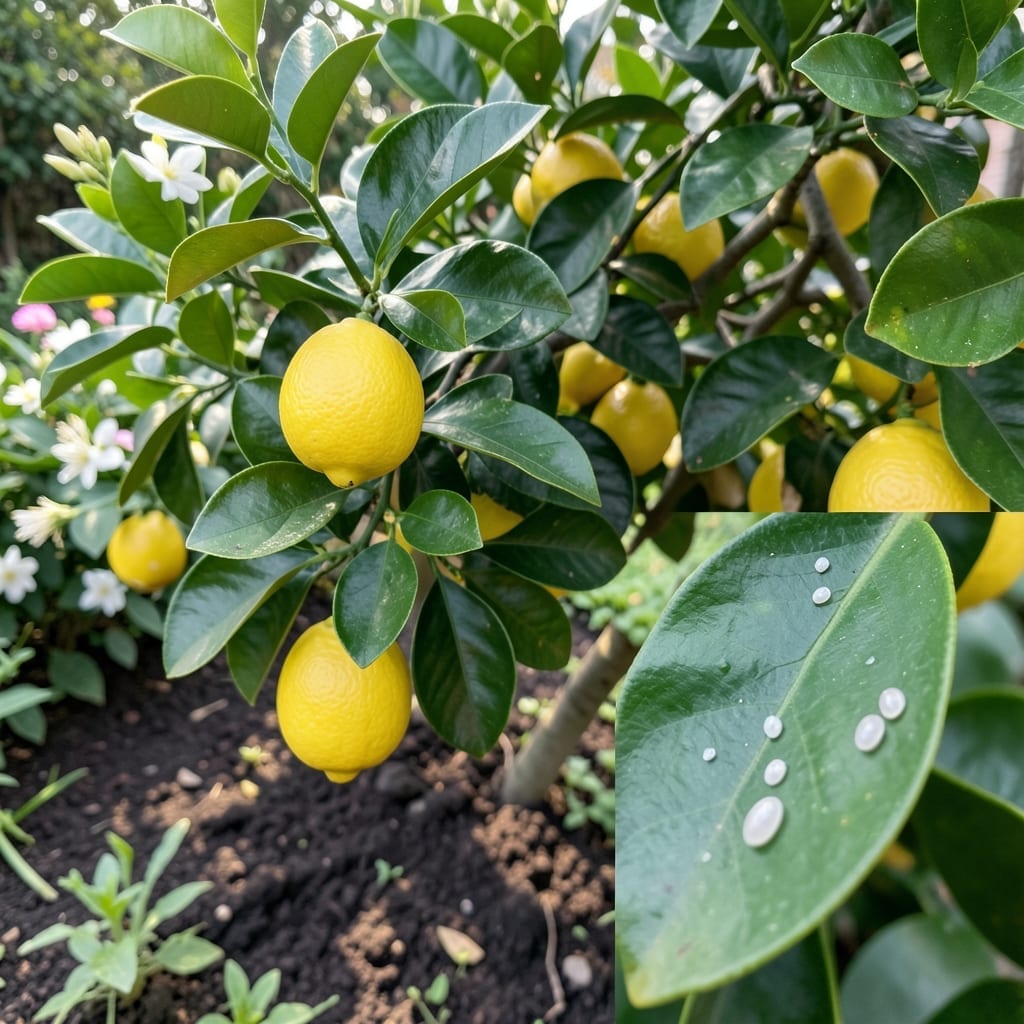
Tiny eggs on your citrus leaves can spiral into big problems. I spotted my first citrus leaf miner eggs last spring on my Meyer lemon—silver trails appeared a week later, then curled leaves that never unrolled.
The eggs are nearly invisible, laid on the underside of fresh growth. Left unchecked, the larvae tunnel through leaves, stunting growth and reducing harvests. Early detection is your best defense against permanent damage.
Natural removal works surprisingly well. I removed eggs with a soft cloth and soapy water, then applied neem oil as a preventative. The next flush of growth came in clean, with no new trails.
Works for all citrus varieties, from dwarf calamondins to full-size grapefruits. Here’s how to spot and stop them before they start.
The presence of citrus leaf miner eggs on your trees is no accident—it’s the result of specific environmental and biological triggers. Understanding these causes helps you disrupt the pest’s lifecycle and protect your citrus plants effectively. Below are the primary reasons why this infestation occurs.
Citrus leaf miners (Phyllocnistis citrella) are highly specialized pests that target plants in the Rutaceae family, including oranges, lemons, limes, and grapefruits. These insects are drawn to the tender, new growth of citrus trees, where they lay their eggs. The soft, emerging leaves provide the perfect environment for larvae to burrow and feed, making young or actively growing citrus trees the most vulnerable.
These pests thrive in warm, subtropical, and tropical climates, where temperatures range between 70–90°F (21–32°C). High humidity levels further accelerate their reproductive cycle, allowing multiple generations to emerge in a single season. Regions with mild winters and long growing seasons, such as Florida, California, and parts of Australia, are particularly prone to infestations.
Citrus trees produce periodic “flushes” of new leaves, typically in spring and early summer. Each flush presents an opportunity for female leaf miners to lay eggs. The pests are highly synchronized with these growth cycles, often timing their egg-laying to coincide with the emergence of fresh foliage. Over-fertilizing with nitrogen can also trigger excessive new growth, inadvertently attracting more miners.
In their native habitats, citrus leaf miners face predation from parasitic wasps and other beneficial insects. However, in many cultivated settings—especially home gardens and small orchards—these natural enemies are absent or insufficient. Without predators to keep their numbers in check, leaf miner populations can explode, leading to widespread egg-laying and leaf damage.
Dealing with citrus leaf miner eggs requires a mix of proactive measures and targeted treatments. Below are practical solutions mapped to common causes, along with prevention tips to keep your citrus trees healthy.
If you spot silver trails or curled leaves, act fast. Prune and dispose of affected foliage in sealed bags to prevent the larvae from spreading. Do not compost these leaves, as the pests can survive and reinfect your garden. Regularly inspect new growth, where females typically lay eggs.
Encourage beneficial insects like parasitic wasps (Citrostichus phyllocnistoides) or lacewings, which feed on leaf miner eggs and larvae. Plant companion flowers such as alyssum or marigolds to attract these allies. Avoid broad-spectrum pesticides, as they harm these helpful predators.
For immediate control, apply neem oil or horticultural oil to the undersides of leaves, where eggs are often laid. Spray in the early morning or late evening to avoid harming bees. Reapply every 7–10 days during active growth periods for best results.
Consistency is key—combine these methods for long-term protection and vibrant, pest-free citrus trees!
Check the undersides of new leaves, where females typically lay them. Use a magnifying glass—they’re tiny, translucent, and often clustered. Focus on fresh growth flushes, especially in spring and summer.
Inspect weekly during active growth periods. Early detection is critical, as eggs hatch in 3-7 days. Set a reminder to check after rain or fertilization, when new leaves emerge.
Avoid broad-spectrum pesticides—they kill beneficial insects too. If needed, use targeted systemic insecticides labeled for citrus, but organic methods like neem oil are safer and effective.