
Beautiful Plants For Your Interior
Beautiful Plants For Your Interior
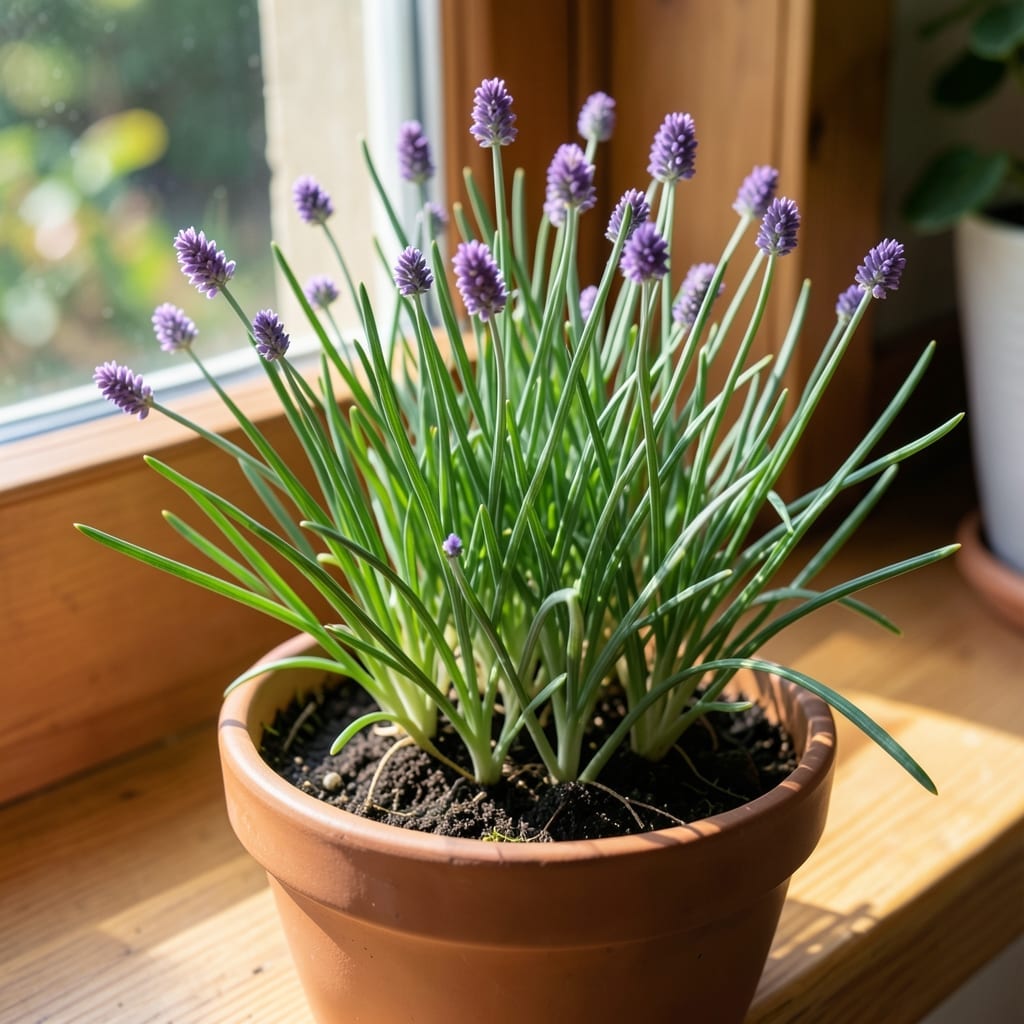
The scientific name for chives is Allium schoenoprasum, a perennial herb in the amaryllis family closely related to onions, garlic, and leeks.
This classification places it within a group of aromatic plants prized for both culinary and medicinal uses. I find its botanical ties to other alliums fascinating—it shares the same sulfur compounds that give onions and garlic their pungent kick, yet chives deliver a milder, more delicate flavor. Its perennial nature means it returns year after year with minimal care, making it a garden favorite. ✨
💡 In This Article
Chives belong to the Amaryllidaceae family, sharing this classification with approximately 1,600 other species. Within this family, they occupy the Allium genus, which includes onions, garlic, and leeks. This places chives in a group known for its aromatic, sulfur-containing compounds that create their distinctive flavors and aromas. 🔥
The species name schoenoprasum comes from Greek, with “schoinos” meaning rush and “prason” meaning leek. This reflects the plant’s rush-like hollow leaves and its close botanical relationship to other edible alliums. The entire genus Allium contains about 1,250 species, with chives being one of the most widely cultivated for culinary use.
Taxonomically, chives are organized as Kingdom: Plantae, Order: Asparagales, Family: Amaryllidaceae, Genus: Allium, Species: A. schoenoprasum. This hierarchy shows their evolutionary path and explains why they share so many characteristics with their allium cousins. The genetic similarity is why chives can sometimes be used as a milder substitute for onions in recipes. ✨
What makes chives unique within the Allium genus is their smaller size and milder flavor profile. While onions and garlic develop bulbs, chives grow in dense clumps from a slender, non-bulbing base. They typically reach 10-15 inches in height, with their thin, hollow leaves being the primary edible part.
The flowers, which appear in late spring, are also edible and add a decorative element to dishes.
This botanical relationship explains why chives contain similar beneficial compounds to other alliums. They share the same organosulfur compounds that have been studied for their potential health benefits, including antioxidant and anti-inflammatory properties. However, the concentration of these compounds is lower in chives, making their flavor more subtle and their culinary uses more versatile. 💫
Chives are part of the Amaryllidaceae family, which includes about 1,600 species. This family also contains other popular plants like onions, garlic, and leeks.
Chives usually reach 10-15 inches in height. Their thin, hollow leaves grow in dense clumps from a non-bulbing base, making them compact and easy to grow in gardens or containers.
Yes! The purple flowers that appear in late spring are completely edible. They add a mild onion flavor and a decorative touch to salads, soups, and other dishes.
It comes from Greek: “schoinos” means rush and “prason” means leek. This refers to the plant’s rush-like leaves and its close relationship to other edible alliums.
They’re remarkably hardy and can survive winters down to -30°F with proper mulching. This makes them a great perennial herb for most climates.