
Beautiful Plants For Your Interior
Beautiful Plants For Your Interior
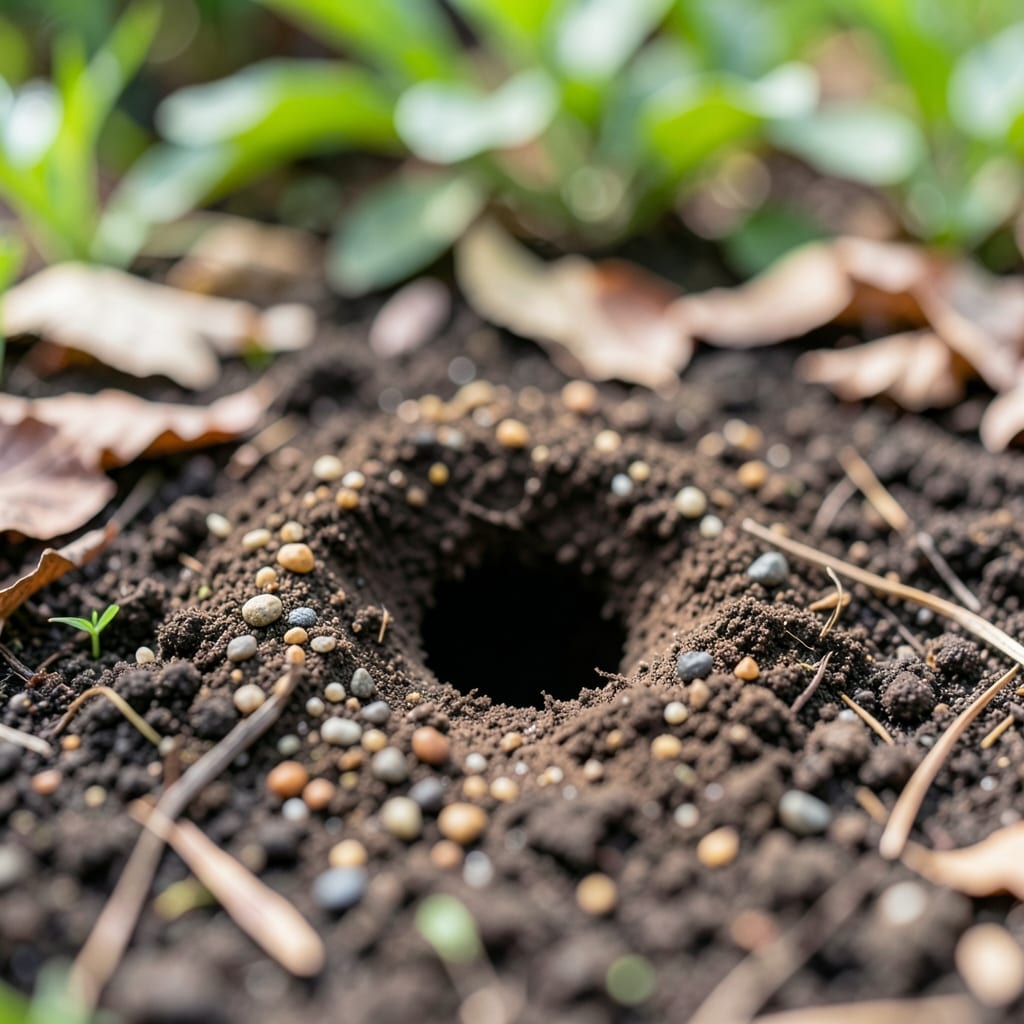
Those small holes in your yard aren’t just ugly—they’re chipmunk condos. 🌱 I spotted my first burrow entrance last spring near the garden’s edge, a perfect 2-inch circle leading to a network of tunnels beneath my prized petunias.
Chipmunks don’t just dig; they destroy. Their tunnels undermine plant roots, collapse soil, and turn raised beds into Swiss cheese. The damage spreads fast, especially in loose, well-drained soil they love.
Filling the holes is temporary unless you address the source. I learned the hard way that a shallow fill just invites them back. The real fix involves blocking their access and making your garden less appealing.
With the right approach, you’ll protect your plants and reclaim your yard. No traps, no toxins—just smart, lasting solutions.
Chipmunks create burrows for a few key reasons, all tied to their survival and daily habits. Understanding these causes can help you address the issue effectively.
Chipmunks dig holes primarily to build underground nests for shelter. These burrows provide protection from predators, extreme weather, and temperature fluctuations. A single chipmunk may have multiple burrow entrances, often hidden near rocks, logs, or dense vegetation. Their nesting chambers are lined with soft materials like leaves and grass for comfort.
Unlike some rodents, chipmunks are hoarders. They dig small holes or use existing ones to store food like seeds, nuts, and berries for winter. These caches, called larders, are strategically placed near their burrows. A chipmunk can gather and store up to 8 pounds of food in a single season!
Chipmunks are territorial and mark their burrow systems to ward off rivals. Digging new holes or expanding existing ones helps them establish dominance in their habitat. If you notice multiple holes in a small area, it could indicate a chipmunk’s attempt to claim more space.
Digging is hardwired into a chipmunk’s behavior. Even in urban or suburban settings, they’ll instinctively burrow to create a safe, functional home. This behavior peaks during spring and fall, when they’re most active in preparing for seasonal changes.
Dealing with chipmunk holes in your yard or garden? Here’s how to address the issue effectively and keep your outdoor space intact.
Start by filling the burrow entrances with soil or sand. Tamp it down firmly to discourage chipmunks from re-digging. For larger holes, use a mix of gravel and soil to create a stable barrier. If the holes are near structures, consider using hardware cloth to block access.
Chipmunks dislike strong scents like peppermint oil, garlic, or cayenne pepper. Soak cotton balls in these oils and place them near the holes. You can also sprinkle crushed red pepper flakes around the area. Reapply after rain to maintain effectiveness.
Prevent future digging by installing 1/4-inch mesh hardware cloth around vulnerable areas, such as garden beds or under decks. Bury it at least 12 inches deep to stop chipmunks from tunneling underneath. For potted plants, place mesh at the bottom to block burrowing.
Chipmunks are drawn to food sources like birdseed, fallen fruit, or pet food. Clean up spills promptly, use sealed containers for outdoor pet food, and pick up fallen fruits or nuts. Keeping your yard tidy reduces the likelihood of them sticking around.
Prevention Tip: 🌱 Regularly inspect your yard for new holes and address them early. A well-maintained lawn with fewer hiding spots (like tall grass or woodpiles) is less inviting to chipmunks.
Chipmunk burrows can extend 2-3 feet deep with multiple tunnels. The main chamber is usually 6-12 inches underground, where they store food and nest.
Yes! Sprinkle crushed red pepper near holes or soak cotton balls in cayenne pepper oil. Reapply after rain for best results.
Look for small, 2-inch holes near rocks, logs, or garden edges. Check at dawn or dusk when chipmunks are most active.
Filling alone won’t stop them if they’re still nearby. Combine with deterrents or barriers for long-term results.