
Beautiful Plants For Your Interior
Beautiful Plants For Your Interior
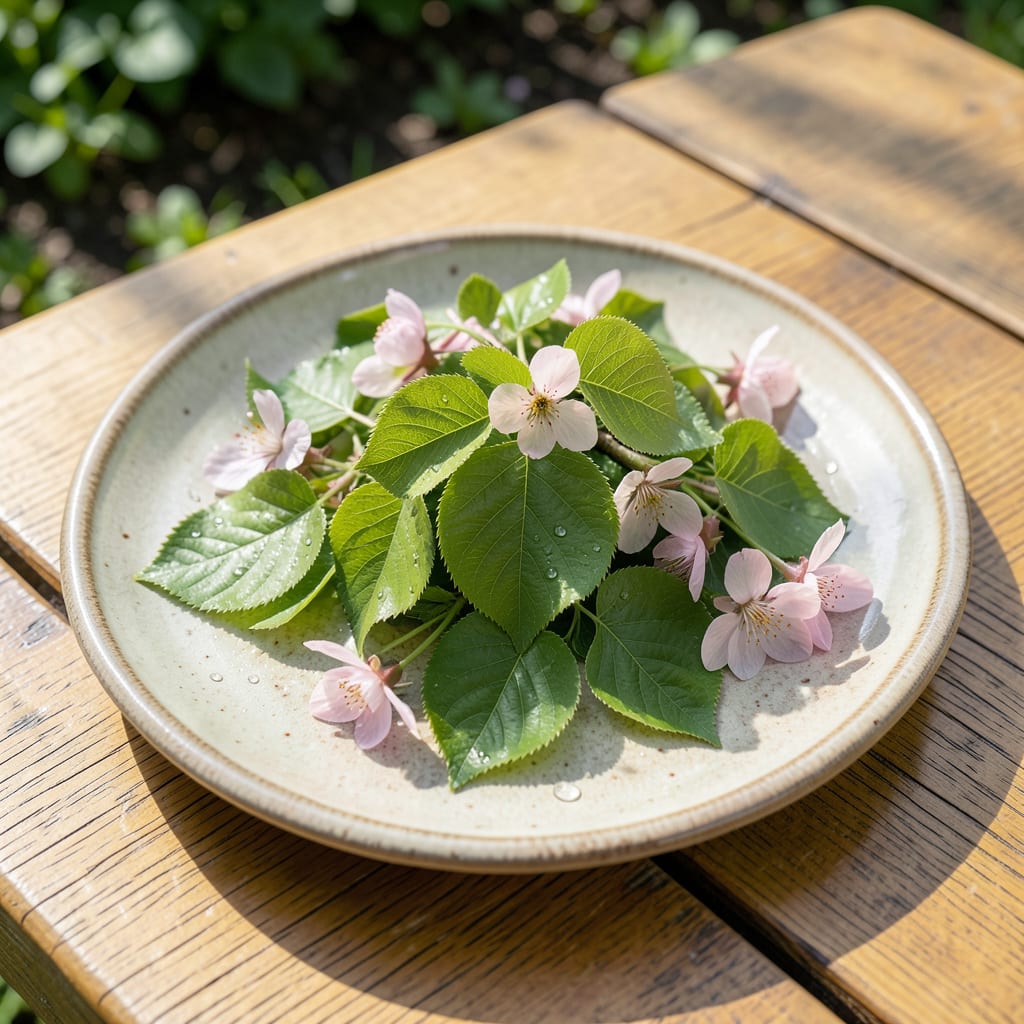
Nothing beats watching those first cherry tree leaves unfurl in spring. I still remember the moment I saw my first seedling push through the soil—those tiny, bright green leaves were a sign of life I won’t forget.
Healthy seedlings start with smooth, vibrant leaves that feel firm to the touch. If they’re curled, spotted, or yellowing, your tree might need a little extra care. With the right attention, you’ll have a thriving young tree ready to grow strong.
📚 In This Guide
Here’s how I spot thriving growth patterns every time I inspect my young cherry trees.
Healthy cherry tree seedlings display deep green leaves with a slightly glossy surface. I look for uniform color across the entire leaf, as pale or yellow patches often indicate nutrient deficiencies or insufficient light. The texture should feel slightly waxy between your fingers, not rough or brittle.
New growth often appears lighter green, but it should darken within 5-7 days. If leaves remain pale, your seedling might need more nitrogen. Real talk: I’ve seen seedlings recover completely after adding a balanced fertilizer when I noticed this early.
Cherry seedling leaves typically have serrated edges and an oval shape that tapers to a point. Measure the mature leaves—they should be 2-4 inches long for most varieties. Smaller leaves might mean the seedling is still establishing itself, but if they stay tiny beyond 6-8 weeks, consider improving soil quality.
Watch for curled or distorted leaves, which often signal pest issues or environmental stress. This is the moment that matters: catching problems early prevents permanent damage to your young tree’s growth pattern.
Healthy leaves attach firmly to green, sturdy stems. I gently tug on a leaf to test its connection—it should resist slightly but not break. The stem itself should be 1/8 to 1/4 inch thick at the base for a properly developing seedling, with no signs of cracking or splitting.
Look for leaves that grow in an alternating pattern along the stem. Opposite or whorled patterns might indicate a different plant species. Don’t skip this (I learned the hard way) when verifying your cherry seedlings.
A healthy cherry seedling produces new leaves in flushing cycles every 2-3 weeks during active growth. I count the number of leaf nodes—you should see 4-6 sets of leaves by the end of the first growing season. The topmost leaves should always be the largest and most vibrant.
If you notice the seedling growing more in one direction, rotate it 90 degrees weekly to ensure even development. Here’s the thing—uneven growth often corrects itself once the plant receives balanced light exposure.
In early spring, leaves emerge with a reddish tint that deepens to green. By summer, they should reach their full size and darkest color. As fall approaches, healthy leaves gradually change to yellow, orange, or red before dropping—this is normal and indicates proper dormancy preparation.
If leaves drop prematurely or show brown spots, it might signal water stress or disease. I’ve found that consistent watering (about 1 inch weekly) prevents most of these issues during the first year of growth.
Here’s what I’ve learned from years of inspecting young cherry trees.
Color Clues: In Step 1, that deep green color should be uniform across the entire leaf. I once ignored pale patches thinking they’d resolve, but they only worsen without intervention. If new growth stays light green beyond 5-7 days, it’s your seedling’s way of asking for nitrogen.
Size Matters: For Step 2, don’t rush to judgment on leaf size. I measure every mature leaf to be sure—anything under 2 inches might just need more time, but if they stay tiny past 6-8 weeks, your soil likely needs a boost. Those serrated edges should be clearly defined, not blurred or irregular.
Stem Strength: Step 3’s stem thickness check saved me from losing several seedlings. When I gently tug a leaf, I expect resistance like pulling a stubborn weed. Anything less, or stems thinner than 1/8 inch, means your seedling isn’t establishing properly. The alternating leaf pattern is another non-negotiable I verify weekly.
Growth Pattern: Those 2-3 week flushing cycles in Step 4 are your seedling’s heartbeat. I mark my calendar and get concerned if I don’t see new growth in that timeframe. Rotating the pot 90 degrees weekly sounds tedious, but it prevents the lopsided growth I struggled with in my early gardening days.
Yellow leaves often indicate overwatering, nutrient deficiency, or poor drainage. Check soil moisture and ensure proper fertilization. If the issue persists, test soil pH (cherries prefer 6.0–7.0).
Seedlings typically sprout cotyledons (baby leaves) first, with true leaves appearing 2–4 weeks later. Healthy growth shows vibrant green, serrated edges. Patience is key—avoid over-fertilizing young plants.
Yes! But pit-grown trees take 3–5 years to fruit (vs. 1–2 for grafted seedlings) and may not produce true-to-type fruit. Stratify pits in cold, moist conditions for 3–4 months to break dormancy.
Curled leaves may signal aphids or fungal disease. Spray with neem oil for pests; improve airflow and avoid wetting leaves to prevent fungus. Remove severely damaged foliage promptly.
