
Beautiful Plants For Your Interior
Beautiful Plants For Your Interior
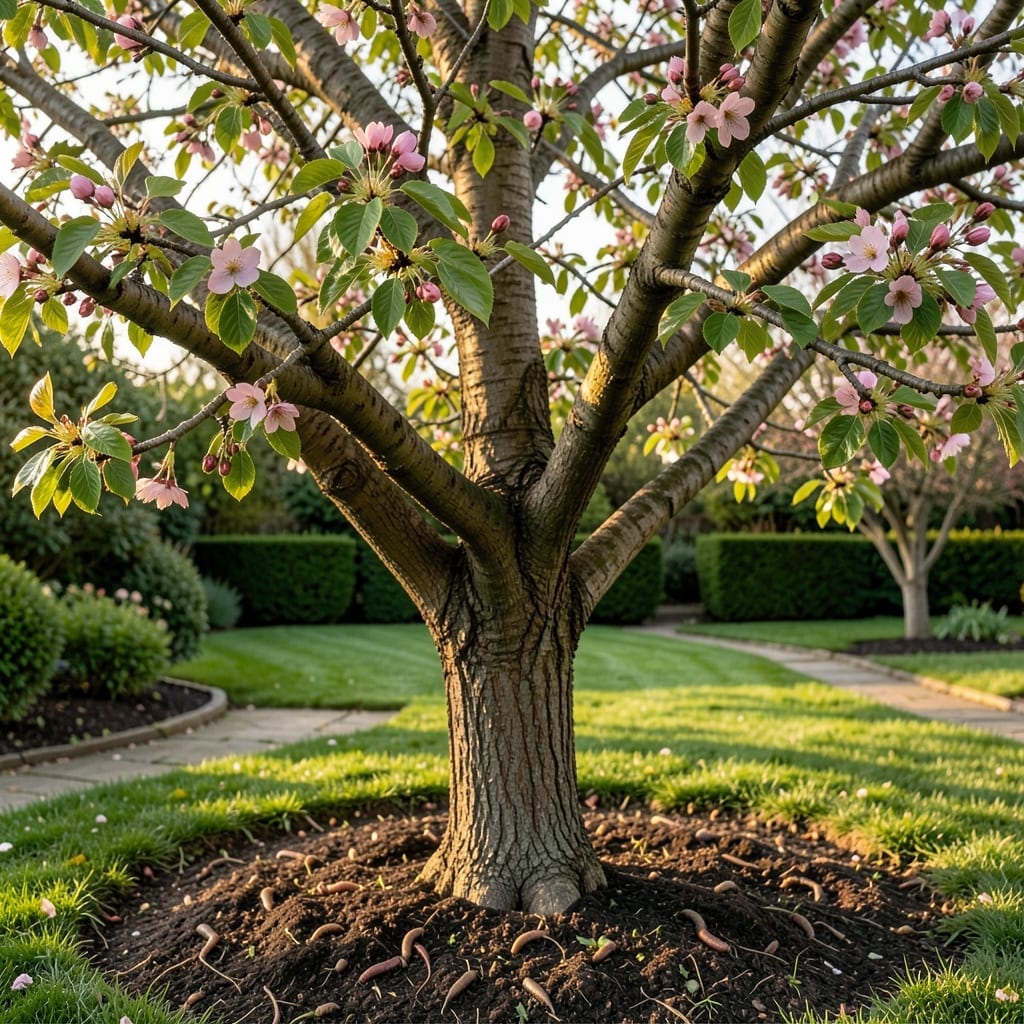
Watching a Cherry Tree 🌳 grow from a sapling to a fruit-bearing beauty is a rewarding experience. But knowing what to expect can help you plan your garden better.
The growth rate varies by type, climate, and care, making it essential to understand the timeline for your specific variety. Whether you’re planting in zone 5-8 or elsewhere, these factors play a crucial role.
Discover how to optimize growth and set realistic expectations for your garden. From planting in early spring to enjoying your first harvest, I’ll guide you through the journey.


If you’re planting a cherry tree, its growth rate will largely depend on the variety you choose. Sweet cherries, like Bing or Rainier, typically grow 12-24 inches per year once established.
Tart cherries, such as Montmorency, tend to grow a bit slower at 10-18 inches annually. Dwarf varieties stay compact, reaching just 8-12 feet at maturity.
| Variety | Annual Growth | Mature Height | Years to Fruit |
|---|---|---|---|
| Sweet Cherry | 12-24 inches | 20-30 feet | 4-7 years |
| Tart Cherry | 10-18 inches | 15-20 feet | 3-5 years |
| Dwarf Cherry | 8-12 inches | 8-12 feet | 2-4 years |
Standard cherry trees can reach 20-30 feet tall, while semi-dwarf varieties max out around 12-20 feet. These differences are crucial for garden planning.
I’ve found that dwarf cherries are perfect for small spaces or container gardening. Their slower growth means you can enjoy fruit sooner, often within 2-4 years. 🌱
Sweet cherries take longer to bear fruit, usually 4-7 years, but their upright growth habit makes them ideal for backyards. They need more space to thrive.
Tart cherries are hardier and often bear fruit a year or two earlier than sweet varieties. Their bushier growth pattern makes them great for smaller gardens.
Remember that these are average growth rates. Your tree’s actual growth can vary based on soil quality, sunlight, and watering practices. I always recommend testing your soil before planting.
For the fastest growth, choose a well-draining location with full sun exposure. This can make a noticeable difference in how quickly your cherry tree establishes itself.
If you’re in USDA zones 5-8, you’re in the ideal range for most cherry varieties. Colder climates may require special cold-hardy varieties or extra winter protection.
I’ve seen dwarf cherry trees thrive in containers on patios, producing fruit in as little as 2 years with proper care and the right growing conditions. 🌿
While cherry tree genetics set the baseline, several factors can accelerate or slow your tree’s growth. I’ve seen trees thrive in ideal conditions and struggle in poor ones.
Soil quality is the foundation. Cherry trees prefer well-draining loam with a pH of 6.0-7.0. Heavy clay or sandy soils often need amendment for best results.
Sunlight exposure is critical. Trees in full sun can grow up to 25% faster than those in partial shade. I always recommend planting on the south side of your property.
Watering practices make a big difference. Deep watering once a week is better than frequent shallow watering. This encourages roots to grow deeper, making your tree more drought-resistant.
Pruning at the right time can significantly boost growth. I prune my cherry trees in late winter to remove dead wood and shape the canopy before new growth starts.
Climate zone affects growth speed. In warmer zones, trees may grow faster but need more water. In cooler zones, growth is slower but trees often produce sweeter fruit. 🌳