
Beautiful Plants For Your Interior
Beautiful Plants For Your Interior
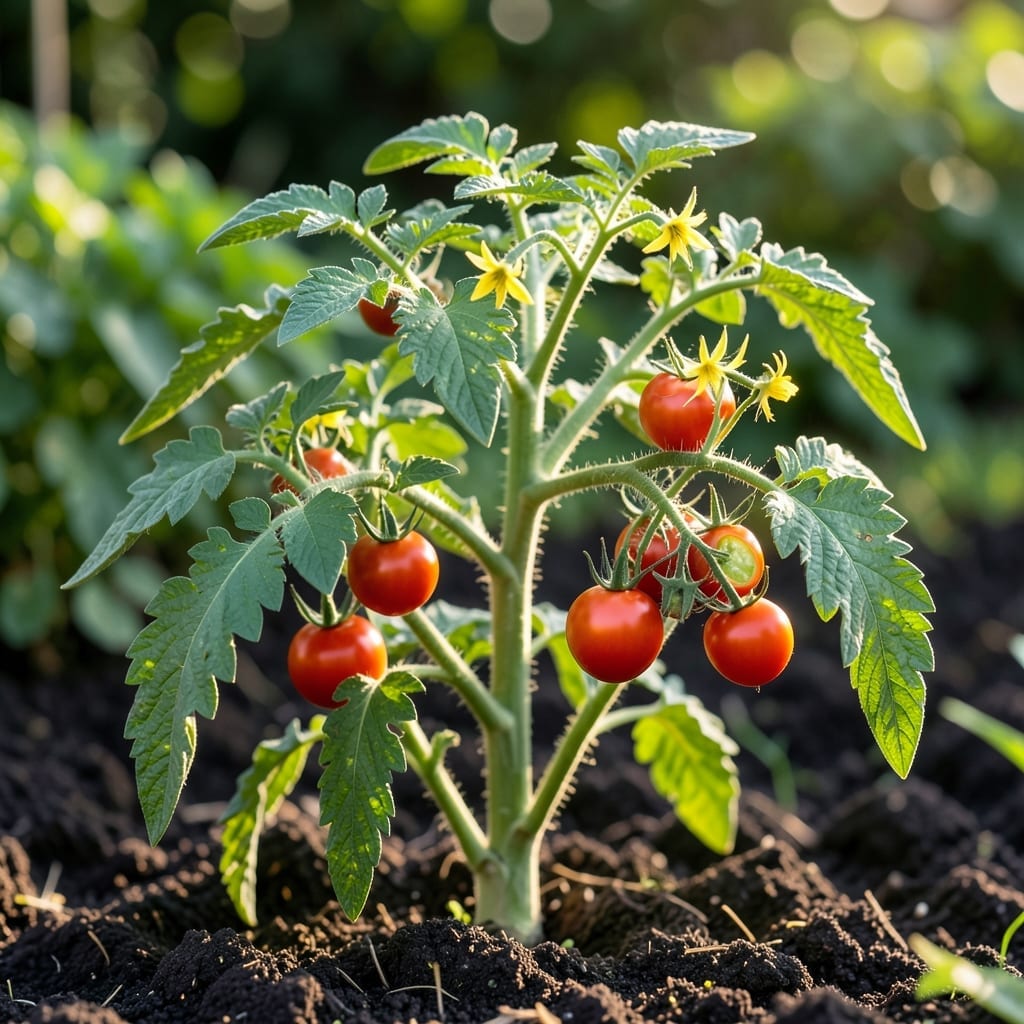
Nothing’s more disappointing than slicing into a cherry tomato expecting that sweet burst of red only to find it green inside. I’ve been there—staring at a bowl of half-ripe fruits wondering what went wrong.
Turns out, it’s usually a timing issue. Cherry tomatoes need full sun and consistent warmth to ripen evenly. Shady spots or cool spells can leave the insides playing catch-up with the outsides.
Sometimes it’s genetic—some heirlooms stay green when ripe. But more often, it’s about patience and proper care. I check my plants daily, noting which fruits are lagging behind.
With a few adjustments to light, water, and temperature, those stubborn green insides will turn vibrant and sweet in no time.
Several factors can leave your cherry tomatoes green on the inside, even when the skin looks ripe. Here’s why it happens:
Tomatoes ripen from the inside out, triggered by ethylene gas. If the plant is stressed (e.g., by heat, drought, or overcrowding), ethylene production slows, causing the outer layers to ripen while the inner tissue lags. This is common in fast-growing cherry tomato varieties.
Temperatures above 85°F (29°C) or below 50°F (10°C) disrupt lycopene and carotenoid development—the pigments responsible for red color. Heat also deactivates ripening enzymes, leaving the inside green. Shade cloth or row covers can help stabilize temperatures.
A lack of potassium or magnesium impedes chlorophyll breakdown (the green pigment). Yellowing leaves often signal this issue. Test your soil and amend with compost or a balanced fertilizer (e.g., 10-10-10) to restore nutrient balance.
Some heirloom or green-when-ripe varieties (like ‘Green Zebra’) naturally stay green inside. Check your seed packet or plant tag to confirm if this is expected for your cultivar.
If your cherry tomatoes are stubbornly staying green inside, don’t worry—there are simple ways to encourage ripening and prevent future issues. Here’s how to tackle the most common causes:
Tomatoes stop ripening properly if temperatures drop below 50°F (10°C) or spike above 85°F (29°C). Fix: Move potted plants indoors near a sunny window or use a cloche for garden plants. If it’s too hot, provide afternoon shade with a shade cloth.
Prevention: Start seeds indoors in cooler climates and use mulch to regulate soil temperature. 💡 Pro tip: A heat lamp can help indoor plants in chilly weather.
Cherry tomatoes plucked while still green won’t ripen well off the vine. Fix: Leave them on the plant until they show the first signs of color change (usually a slight blush). If you must pick them early, place them in a paper bag with a ripe banana or apple—the ethylene gas speeds up ripening.
Prevention: Harvest only when tomatoes are at least 50% red or their mature color. ✨
Tomatoes need 6-8 hours of direct sunlight daily to ripen fully. Fix: Relocate pots to sunnier spots or trim nearby plants casting shade. For garden beds, thin out foliage to improve air circulation and light exposure.
Prevention: Plan your garden layout to avoid shading from taller plants or structures. 🌞
Too much nitrogen promotes leafy growth but delays fruiting and ripening. Fix: Switch to a low-nitrogen, high-phosphorus fertilizer (like 5-10-10) to encourage blooming and ripening.
Prevention: Use a balanced fertilizer early in the season, then reduce nitrogen as plants start flowering. 🎯
With these adjustments, your cherry tomatoes should turn vibrant and flavorful in no time!
Yes, but only if they’ve started changing color. Place them in a paper bag with a ripe banana at room temperature. The ethylene gas will help them ripen in 3-5 days.
Ensure consistent warmth between 70-75°F and full sun exposure. Remove any leaves shading the fruits and reduce watering slightly to encourage ripening.
This often indicates immaturity. Let them ripen fully on or off the vine. If bitterness persists, it may be a variety characteristic or nutrient imbalance in the soil.