
Beautiful Plants For Your Interior
Beautiful Plants For Your Interior
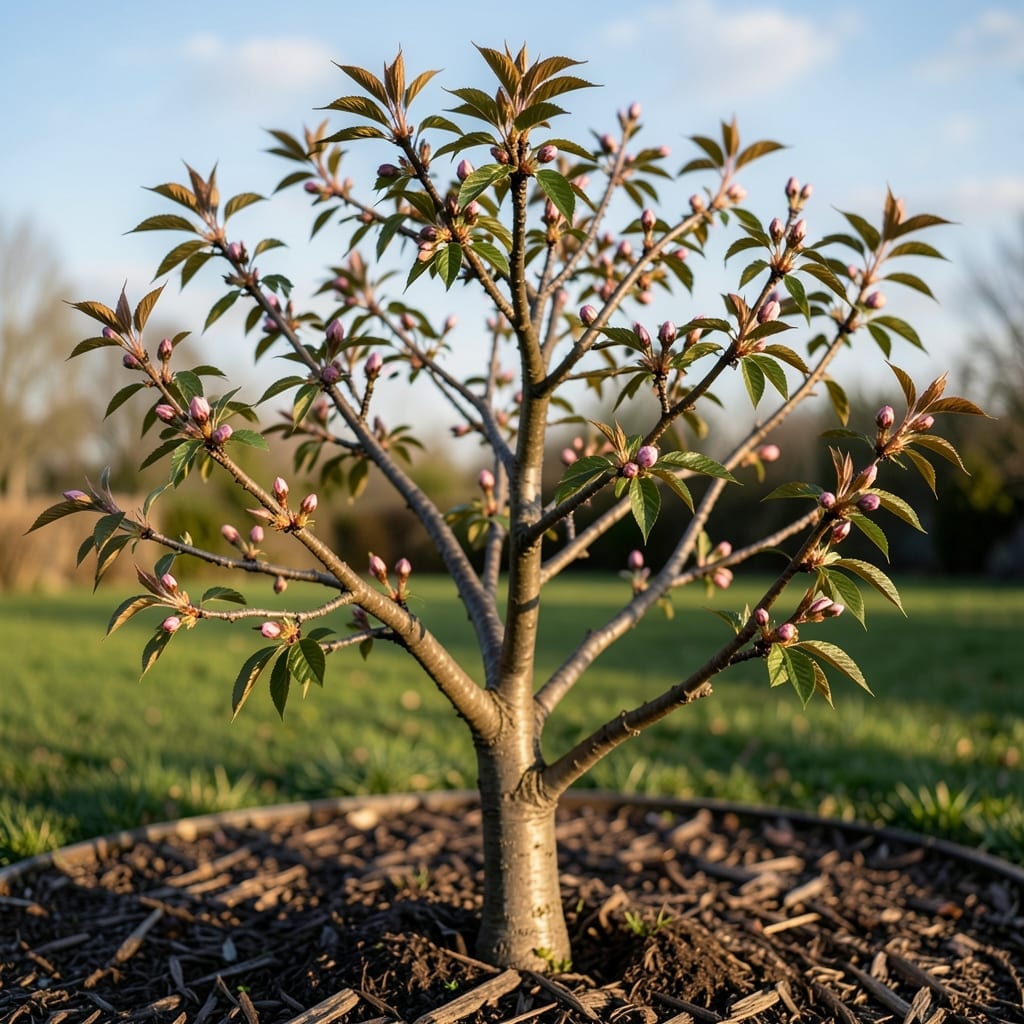
That heart-sinking moment when spring arrives and your cherry tree stays stubbornly bare. I’ve stood under mine, staring at tight buds that refuse to open, wondering what went wrong this year.
Usually, it’s something simple we overlooked—too much shade, last season’s pruning at the wrong time, or soil that’s missing key nutrients. The tree isn’t broken; it’s just waiting for the right conditions to do its thing.
With a few adjustments, those buds will burst into pink clouds next season. The fix often takes less than an afternoon and costs nothing but attention.
We’ll walk through the most common culprits and what actually works to bring your tree back to life. No guesswork, just results.
Cherry trees that fail to bloom often leave gardeners puzzled. Several environmental and biological factors can stall the blossoming process. Below are the most common causes, explained with actionable insights.
Cherry blossoms rely on a precise chill hour requirement (typically 500–1,000 hours below 45°F) to break dormancy. If winter is too warm or spring arrives abruptly, buds may remain dormant. Sudden late frosts can also damage swelling buds, halting development. Solution: Choose cultivars suited to your USDA zone and protect trees with frost cloth during unexpected cold snaps.
Both overwatering and drought disrupt nutrient uptake, starving buds of the energy needed to bloom. Waterlogged roots suffocate, while parched trees prioritize survival over flowering. Solution: Maintain consistent moisture—1–2 inches of water weekly—and ensure well-draining soil.
Excess nitrogen promotes leafy growth at the expense of flowers, while phosphorus and potassium deficiencies directly impair bud formation. A soil test can reveal imbalances. Solution: Apply a low-nitrogen, high-phosphorus fertilizer (e.g., 5-10-10) in early spring to encourage blooming.
Pruning at the wrong time (e.g., late summer or fall) removes next year’s flower buds, which form on old wood. Solution: Prune immediately after blooming ends to avoid cutting off potential blossoms.
Scale insects, aphids, or fungal infections like brown rot weaken trees, diverting resources from blooming. Inspect branches for sticky residue (aphids) or blackened buds (rot). Solution: Treat with horticultural oil (for pests) or copper fungicide (for diseases) in dormancy.
If your cherry blossom tree is stuck in bud stage and not blooming, don’t lose hope. Below are targeted fixes for common causes, plus prevention tips to ensure vibrant flowers next season.
Cherry blossoms need 6+ hours of direct sunlight daily. If your tree is in shade, transplant it to a sunnier spot in early spring or late fall. For established trees, prune overhanging branches or nearby structures blocking light. Prevention tip: 💡 Plant new trees in a south-facing location with minimal shade.
Poor soil nutrition can halt blooming. Test your soil: cherry blossoms thrive in slightly acidic to neutral (pH 6.0–7.0) conditions. Use a balanced fertilizer (10-10-10) or a bloom-boosting formula high in phosphorus (e.g., 5-10-5) in early spring. Avoid over-fertilizing with nitrogen, which promotes leaf growth over flowers. Prevention tip: 🌡️ Apply compost annually to maintain soil health.
Late frosts can kill flower buds before they open. If a cold snap is forecasted, cover the tree with frost cloth or burlap overnight. For potted trees, move them to a sheltered area like a garage or porch. Prevention tip: ✨ Plant frost-resistant cherry varieties (e.g., Prunus serrulata ‘Kanzan’) if you live in a colder climate.
Both drought and waterlogged roots stress the tree. Water deeply 1–2 times per week, allowing the top 2 inches of soil to dry between waterings. Mulch around the base to retain moisture but avoid soggy conditions. Prevention tip: 🎯 Install a drip irrigation system for consistent moisture.
Pruning at the wrong time (e.g., late summer or fall) can remove next year’s buds. Prune immediately after flowering to shape the tree without sacrificing blooms. Remove only dead, diseased, or crossing branches. Prevention tip: 🔥 Sterilize pruning tools with rubbing alcohol to prevent disease spread.
Cherry blossom buds typically take 7–14 days to open after swelling, depending on temperature. Warmer weather speeds up the process. If buds stay tight beyond 2 weeks, check for environmental stressors like frost or drought.
Yes, but damaged buds won’t open that season. Focus on protecting the tree from further harm and ensuring proper care. Next year’s buds will form normally if the tree stays healthy.
Most cherry blossom trees need 3–5 years to mature before producing flowers. Patience is key—young trees prioritize root and branch growth over blooming.
No, never prune or remove buds manually. This can harm the tree and reduce future blooming potential. Let nature take its course unless buds are clearly diseased.