
Beautiful Plants For Your Interior
Beautiful Plants For Your Interior
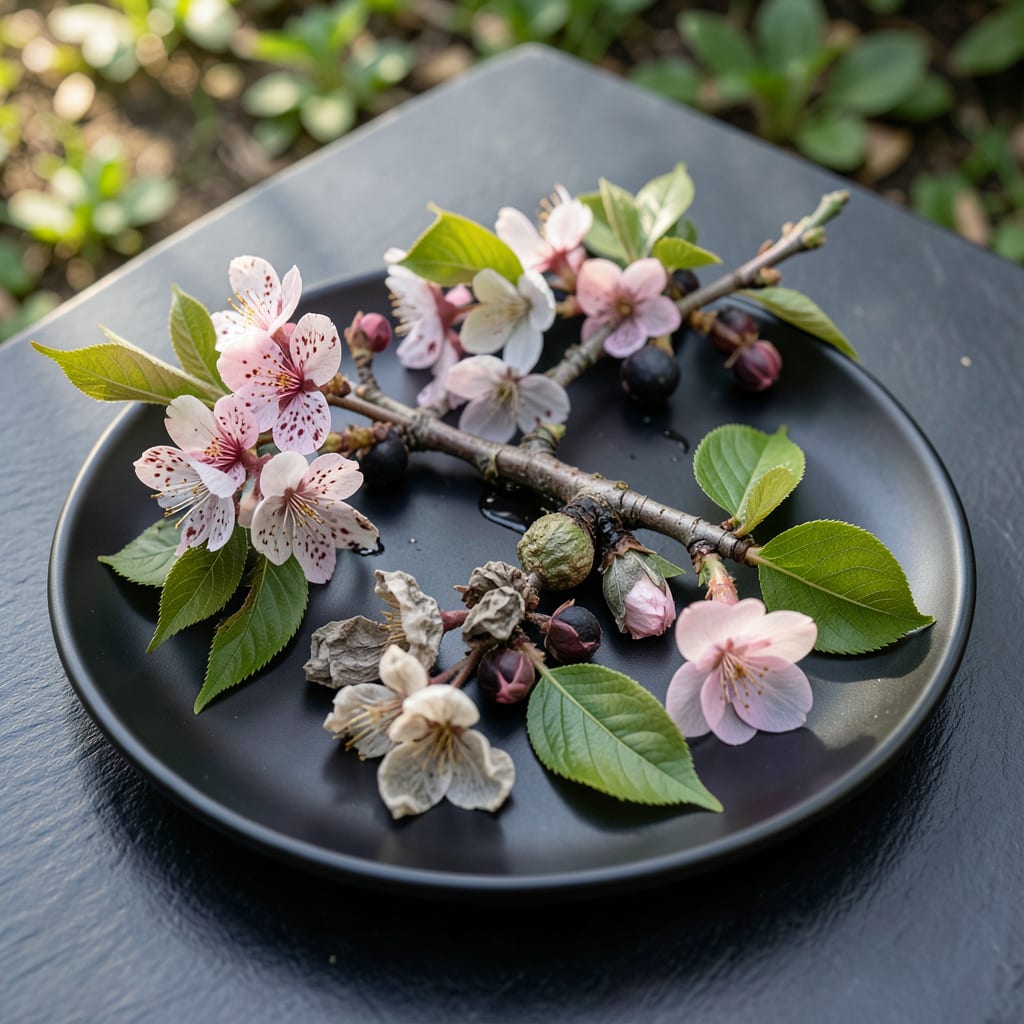
Nothing ruins spring like watching your cherry blossoms sicken before they bloom. I’ve lost count of how many trees I’ve seen struggle with preventable issues that start small but spread fast.
Most problems show up as dark spots on leaves, powdery coatings, or dying branches. Catching these early means the difference between a healthy tree and one that loses its battle before summer even arrives.
The good news? Simple habits like proper pruning, good airflow, and seasonal treatments can keep your tree thriving. I’ve seen trees bounce back completely with just a few consistent steps.
Whether you’re dealing with current issues or want to protect your investment, these methods work for all cherry blossom varieties. Here’s what actually prevents the damage.
Understanding why cherry blossom trees fall prey to diseases is the first step toward effective prevention. Several factors contribute to their vulnerability, often working in tandem to weaken the tree’s natural defenses. Below are the primary causes, explained with scientific precision.
Fungi like Monilinia (causing brown rot) and Verticillium (triggering wilt) thrive in moist, poorly ventilated environments. These pathogens infect trees through wounds, contaminated soil, or airborne spores. Overwatering or dense canopies create ideal conditions for fungal growth, leading to leaf spots, cankers, and dieback.
Insects such as aphids, borers, and scale insects weaken cherry blossom trees by feeding on sap, bark, or roots. Their damage compromises the tree’s vascular system, reducing its ability to transport water and nutrients. Additionally, pests like aphids excrete honeydew, which promotes sooty mold—a secondary fungal issue.
Extreme weather (drought, frost, or heatwaves), poor soil quality (nutrient deficiencies or pH imbalances), and physical damage (from pruning or storms) stress the tree. Stressed trees produce fewer defensive compounds, making them more susceptible to opportunistic diseases like leaf blight or root rot.
Bacteria such as Pseudomonas syringae (causing bacterial canker) enter through wounds or natural openings. These infections often manifest as oozing lesions or dead branches. High humidity and wet foliage accelerate bacterial spread, especially in spring when trees are most vulnerable.
Improper care practices—like over-fertilization, incorrect pruning, or using contaminated tools—can introduce or exacerbate diseases. For example, pruning during wet seasons increases the risk of fungal spores entering fresh cuts.
Keeping your cherry blossom tree healthy starts with quick action and smart care. Below are practical solutions for common diseases, paired with prevention tips to keep your tree thriving.
Remove infected leaves and branches immediately to stop the spread. Use sterilized pruning shears (dip in rubbing alcohol between cuts). Apply a copper-based fungicide or neem oil to the tree, following label instructions. Prevention: Improve air circulation by thinning branches, and avoid overhead watering to reduce moisture on leaves.
For aphids, mites, or borers, start with a strong blast of water to dislodge pests. Introduce beneficial insects like ladybugs or use insecticidal soap. For severe cases, apply horticultural oil or a targeted pesticide. Prevention: Inspect your tree regularly, especially undersides of leaves, and maintain overall tree health to deter pests.
If roots are waterlogged, stop watering and let the soil dry out. Amend heavy soil with compost or sand to improve drainage. For advanced cases, trim blackened roots and repot or replant in well-draining soil. Prevention: Ensure planting sites have good drainage, and water deeply but less frequently to encourage strong root growth.
Remove and destroy affected leaves and shoots. Spray the tree with a baking soda solution (1 tbsp baking soda + 1 tsp dish soap + 1 gallon of water) or a sulfur-based fungicide. Prevention: Space trees properly for airflow, and water at the base to keep foliage dry.
💡 Pro Tip: Always clean up fallen leaves and debris around the tree—this removes hiding spots for fungi and pests!
Look for dark spots on leaves, white powdery coatings, or dead branches. Fungal diseases often start as small discolorations before spreading rapidly in wet conditions.
Inspect leaves regularly, especially undersides, and use insecticidal soap at first signs. Encourage beneficial insects like ladybugs for natural control.
Yes! Waterlogged soil leads to root rot, marked by yellowing leaves and stunted growth. Always ensure proper drainage and water deeply but less frequently.
Prune during dry seasons using sterilized tools to prevent fungal spores from entering fresh cuts. Avoid wet conditions when pathogens thrive.
