
Beautiful Plants For Your Interior
Beautiful Plants For Your Interior
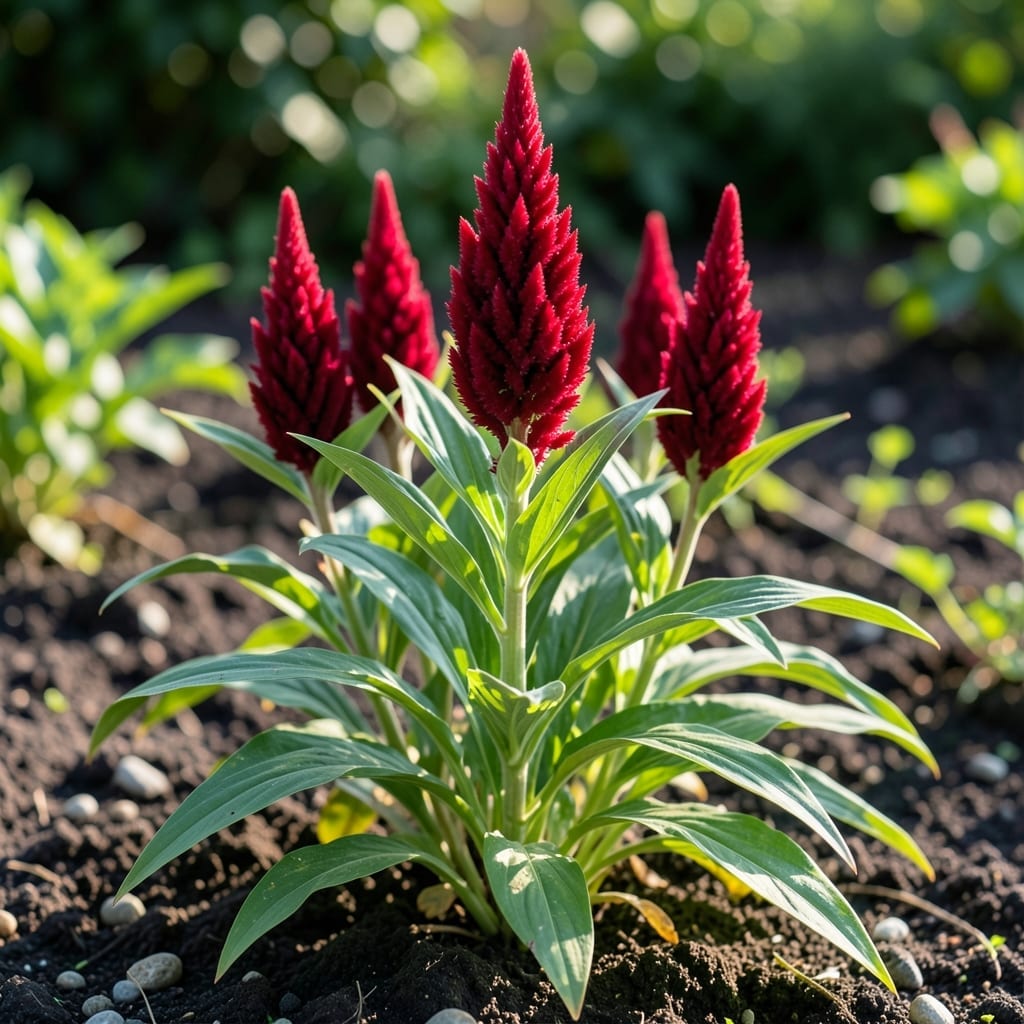
Celosia’s flame-like 🌸 blooms can transform any garden into a vibrant spectacle—but only with the right light. Whether you’re planting in full sun or partial shade can mean the difference between lackluster and stunning results.
I’ve seen firsthand how this plant thrives with 6-8 hours of sunlight daily, though it tolerates some shade. The key is finding that perfect balance for bold, healthy growth.
Discover how to position your Celosia for maximum impact and what signs to watch for if it’s not getting enough light.
 Best Window Placement
I’ve found that celosia thrives best in full sun, but it can handle some shade. This tropical plant loves 6-8 hours of direct sunlight daily for its most vibrant blooms. Without enough light, its colors can fade dramatically.
In my garden, celosia planted in partial shade still grows, but the flowers are less intense. The plume varieties seem more shade-tolerant than cockscomb types. It’s all about finding the right balance for your space.
| Requirement | Specification |
|---|---|
| Ideal Light | 6-8 hours sun |
| Minimum Light | 4 hours sun |
| Shade Tolerance | Partial shade |
| Best Varieties | Plume types |
| Soil pH | 6.0-6.5 |
For optimal growth, I recommend giving celosia as much sun as possible. In hotter climates, a bit of afternoon shade can prevent scorching. The plant’s water needs increase with more sun exposure.
I’ve noticed that morning sun is particularly beneficial. It dries the dew quickly, reducing fungal disease risks. In containers, you can move them to follow the sun’s path throughout the day.
The color intensity of celosia blooms is directly tied to light exposure. In full sun, you’ll get those deep reds and bright yellows that make this plant so striking. Shade-grown plants tend to have paler, more washed-out hues.
If you’re working with limited sunlight, choose lighter-colored varieties. These often perform better in shadier conditions than the darker types. Also, ensure your soil is well-draining to prevent root rot in less-than-ideal light.
Remember that young plants need protection from harsh afternoon sun. As they mature, they’ll become more sun-tolerant. I always acclimate my seedlings gradually to prevent shock.
For the best results, monitor your celosia’s response to its location. If you see leggy growth or fewer blooms, it’s likely begging for more light. Don’t be afraid to move it if needed.
In my experience, celosia is forgiving but rewards attention to its light needs. With the right placement, you’ll be rewarded with months of colorful blooms that are sure to impress. ☀️
Even with less sunlight, you can still enjoy vibrant celosia blooms. I’ve had success growing them in partial shade, but it requires some adjustments. The key is choosing the right varieties and optimizing their growing conditions.
For shadier spots, I recommend plume celosia varieties like ‘Forest Fire’ or ‘New Look’. These tend to handle 4-6 hours of sunlight better than cockscomb types. They’ll still produce colorful blooms, though perhaps slightly less intense.
I’ve found that morning sun is most beneficial for shade-grown celosia. It provides the intense light they need while avoiding the harsh afternoon rays that can stress plants in partial shade. East-facing locations work particularly well.
To enhance color in shadier areas, I fertilize regularly with a balanced 10-10-10 formula. This helps compensate for the reduced photosynthesis. Just be careful not to over-fertilize, as this can lead to leggy growth instead of more blooms.
Companion planting can also help. I like to place my shade-grown celosia near light-colored plants or reflective surfaces to bounce additional light their way. This simple trick can make a noticeable difference in bloom quality.
Remember that even in partial shade, air circulation is crucial. I space my plants 12-18 inches apart to prevent fungal issues. With these adjustments, you can enjoy beautiful celosia even in less-than-ideal light conditions. 🌿