
Beautiful Plants For Your Interior
Beautiful Plants For Your Interior
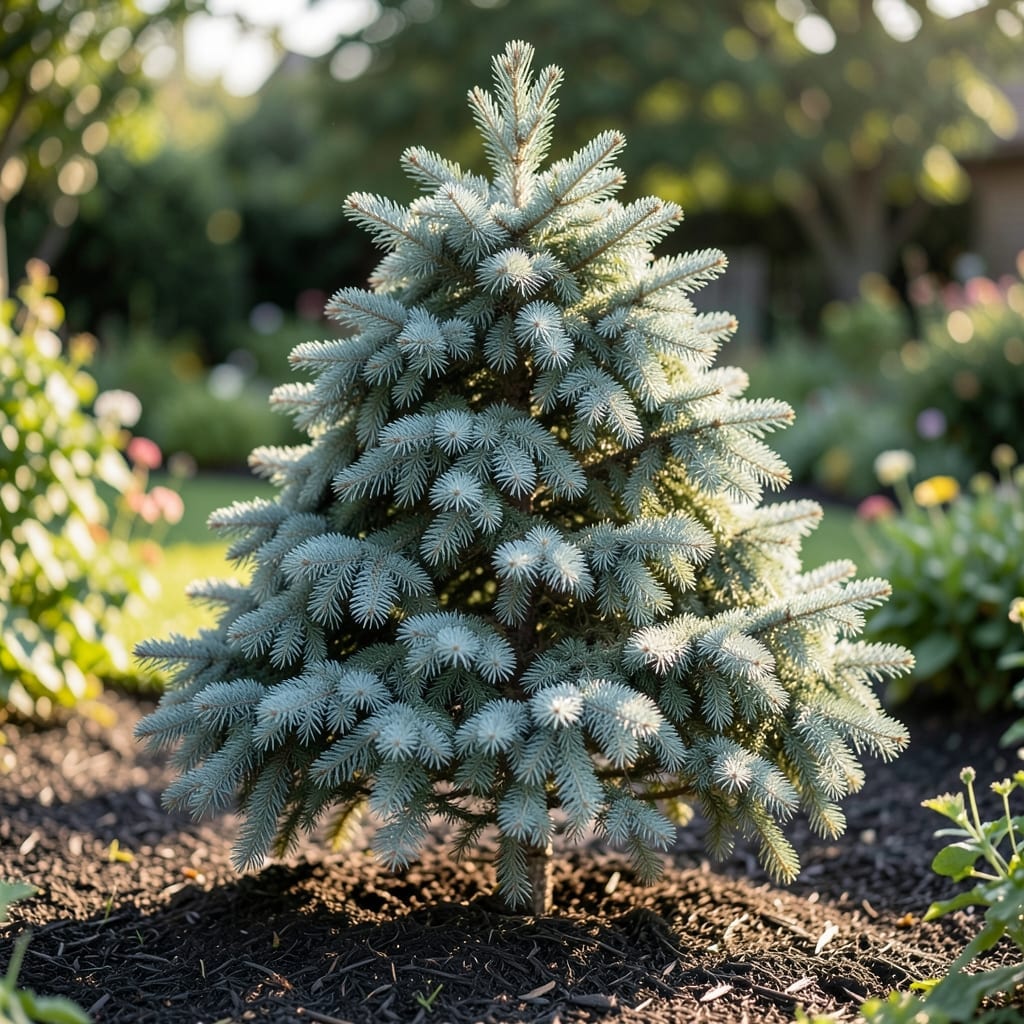
That towering Deodar Cedar 🌲 in your neighbor’s yard didn’t reach the sky overnight. Many gardeners plant this stately tree expecting rapid growth, only to find it takes patience to see real height.
Understanding the Cedrus deodara growth pattern helps set realistic expectations. In its early years, this conifer grows slowly, but with the right conditions, it can surprise you with its progress.
Let me walk you through what to expect each year and how to give your Deodar Cedar the best start for faster, healthier growth.


The Cedrus deodara growth journey begins slowly. In its first year, expect just 1-2 feet of height gain as the seedling establishes roots. This slow start is normal for most conifers.
By years two and three, your Deodar Cedar will accelerate dramatically. With ideal conditions, it can add 12-24 inches annually, transforming from a sapling to a noticeable landscape feature.
| Age | Annual Growth Rate | Key Factors | |
|---|---|---|---|
| Seedling | 0-1 year | 1-2 ft | Root establishment |
| Juvenile | 2-10 years | 12-24 in | Sun, water, soil |
| Mature | 10+ years | 6-12 in | Space, nutrients |
After about a decade, the growth rate slows to 6-12 inches per year. This is when your Deodar Cedar focuses on thickening its trunk and expanding its canopy rather than just height.
Climate significantly impacts these rates. In warmer zones like USDA 9, you may see faster growth than in cooler zone 7 areas. Consistent moisture and well-draining soil are crucial.
I’ve noticed that full sun exposure (6+ hours daily) can boost growth by up to 30% compared to partial shade. The more sunlight your tree gets, the more energy it has for upward growth.
Soil quality matters greatly. Deodar Cedars thrive in slightly acidic to neutral (pH 6.0-7.5) soils. If your soil is heavy clay, amending with organic matter will improve drainage and root development.
Watering practices affect growth rates too. Young trees need weekly deep watering, while established specimens can tolerate moderate drought. Overwatering, however, can stunt growth by suffocating roots.
In my experience, spring planting gives the best start. The tree has the entire growing season to establish roots before winter. Fall planting works too, but avoid extreme heat or frost periods.
Remember that pruning affects growth. While light shaping is fine, heavy pruning can slow development. Focus on removing only dead or diseased branches in the first few years.
With proper care, your Cedrus deodara can reach 40-70 feet at maturity. The first decade is the most exciting growth period, so be patient and consistent with your care routine 🌲
To get your Cedrus deodara growing at its fastest, start with the right location. Choose a spot with full sun exposure (6+ hours daily) and well-draining soil to prevent root rot.
I recommend planting in spring or early fall to give roots time to establish. This timing helps avoid transplant shock and promotes strong initial growth.
For optimal nutrition, use a slow-release fertilizer with a 10-20-10 NPK ratio. Apply in early spring and again in late spring to fuel rapid growth.
Watering deeply once weekly is better than frequent shallow watering. This encourages deep root development, which supports taller, stronger growth over time.
Mulching with organic material helps retain moisture and regulate soil temperature. Keep mulch 2-3 inches deep and 6 inches away from the trunk to prevent rot.
In my garden, I’ve seen the best results with consistent care and patience. Remember, while you can’t rush nature, you can create the ideal conditions for your Deodar Cedar to thrive 🌲