
Beautiful Plants For Your Interior
Beautiful Plants For Your Interior
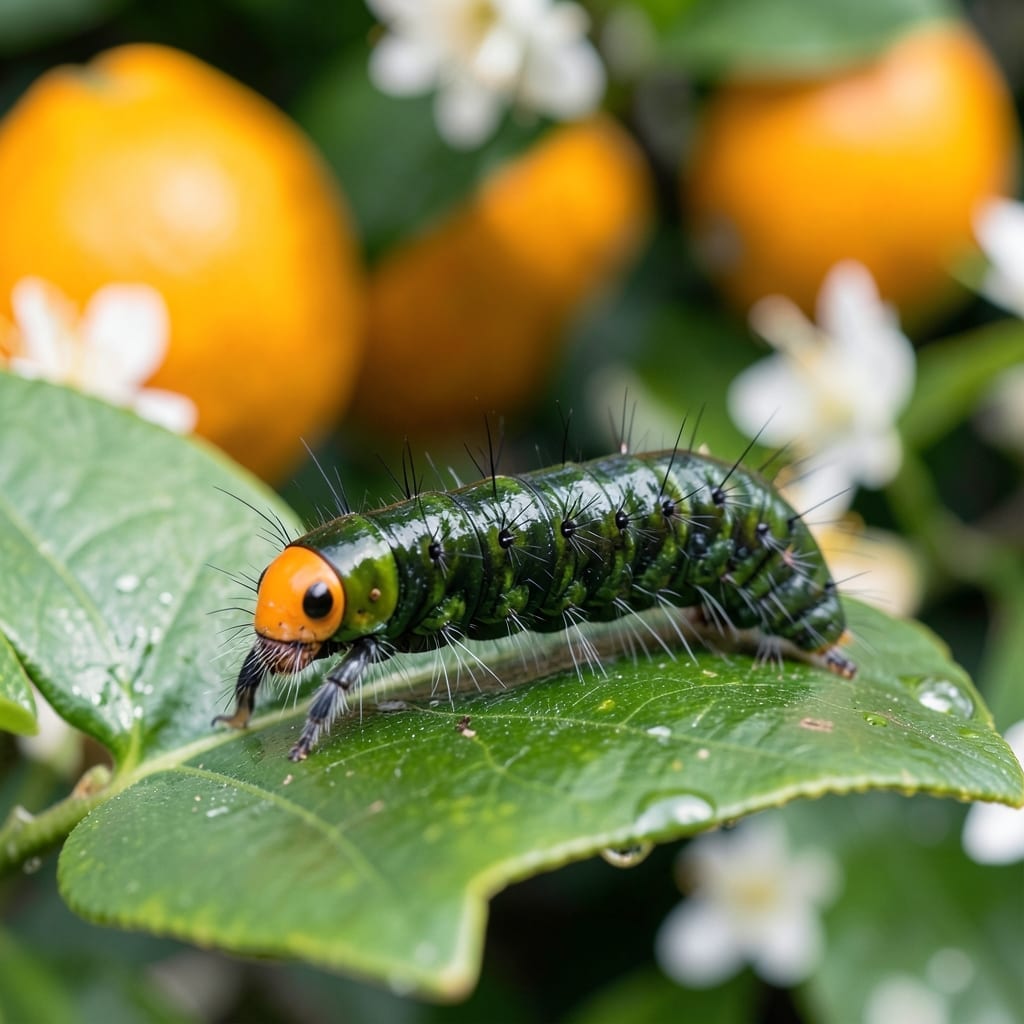
That orange head is your first clue. I found my first one chewing through my kale leaves last summer, and it wasn’t alone—dozens followed, turning my garden into an all-you-can-eat buffet overnight.
These pests target leafy greens, tomatoes, and even flowers. Left unchecked, they’ll skeletonize plants in 48 hours. The good news? They’re easy to spot with their bright coloring and telltale damage.
Hand-picking works for small infestations, but larger ones need faster action. Organic sprays like BT or neem oil stop them without harming beneficial insects.
Early morning is the best time to check—caterpillars are most active then. Catch them young, and you’ll save your garden before the real damage starts.
The vibrant orange head on certain caterpillars isn’t random—it’s a survival strategy shaped by evolution, diet, and environmental factors. Here’s why you might spot these colorful pests in your garden:
Many caterpillars with orange heads, like the Monarch or Woolly Bear, use aposematism—bright colors to signal toxicity or bad taste to predators. The orange hue often comes from carotenoid pigments in their host plants (e.g., milkweed or asters), which they absorb and repurpose as a visual deterrent.
The caterpillar’s head color can shift based on what it eats. For example, Black Swallowtail larvae feeding on carrots or parsley may develop orange markings due to beta-carotene in their diet. This pigment accumulates in their exoskeleton, creating the distinctive hue. A lack of these nutrients might result in duller colors.
Some species, like the Woolly Bear, exhibit seasonal color changes tied to temperature fluctuations. Cooler weather can intensify orange or black bands, while warmer conditions may mute them. This adaptation helps them blend into autumn foliage or warn predators during vulnerable life stages.
Actionable Tip: If you’re seeing an uptick in orange-headed caterpillars, check your garden’s plant diversity—they’re often drawn to specific hosts rich in pigments!
If you’ve spotted a caterpillar with an orange head wreaking havoc in your garden, don’t panic—here’s how to tackle it effectively. Start by handpicking the pests early in the morning or evening when they’re most active. Wear gloves and drop them into a bucket of soapy water to ensure they don’t return. Pro tip: Check the undersides of leaves, where they love to hide!
Encourage beneficial insects like parasitic wasps or ladybugs, which feed on caterpillars. Plant nectar-rich flowers (e.g., daisies, marigolds) to attract them. You can also introduce birds to your garden by setting up feeders or birdbaths—they’ll happily snack on these pests.
For a chemical-free fix, spray neem oil or Bacillus thuringiensis (Bt) directly on affected plants. Bt is a bacteria that targets caterpillars without harming other insects or plants. Mix according to package instructions and reapply after rain. Best used in the early stages of infestation.
Consistency is key—combine these methods for the best results and a thriving, caterpillar-free garden!
They love leafy greens like kale and lettuce, plus tomatoes and flowers. Check undersides of leaves for hiding pests and chewed edges as early signs.
Most are harmless, but avoid handling spiny species. Some may cause mild skin irritation. Always wash produce thoroughly before eating.
A large infestation can skeletonize plants in 24-48 hours. Act quickly at first sight to prevent widespread damage.