
Beautiful Plants For Your Interior
Beautiful Plants For Your Interior
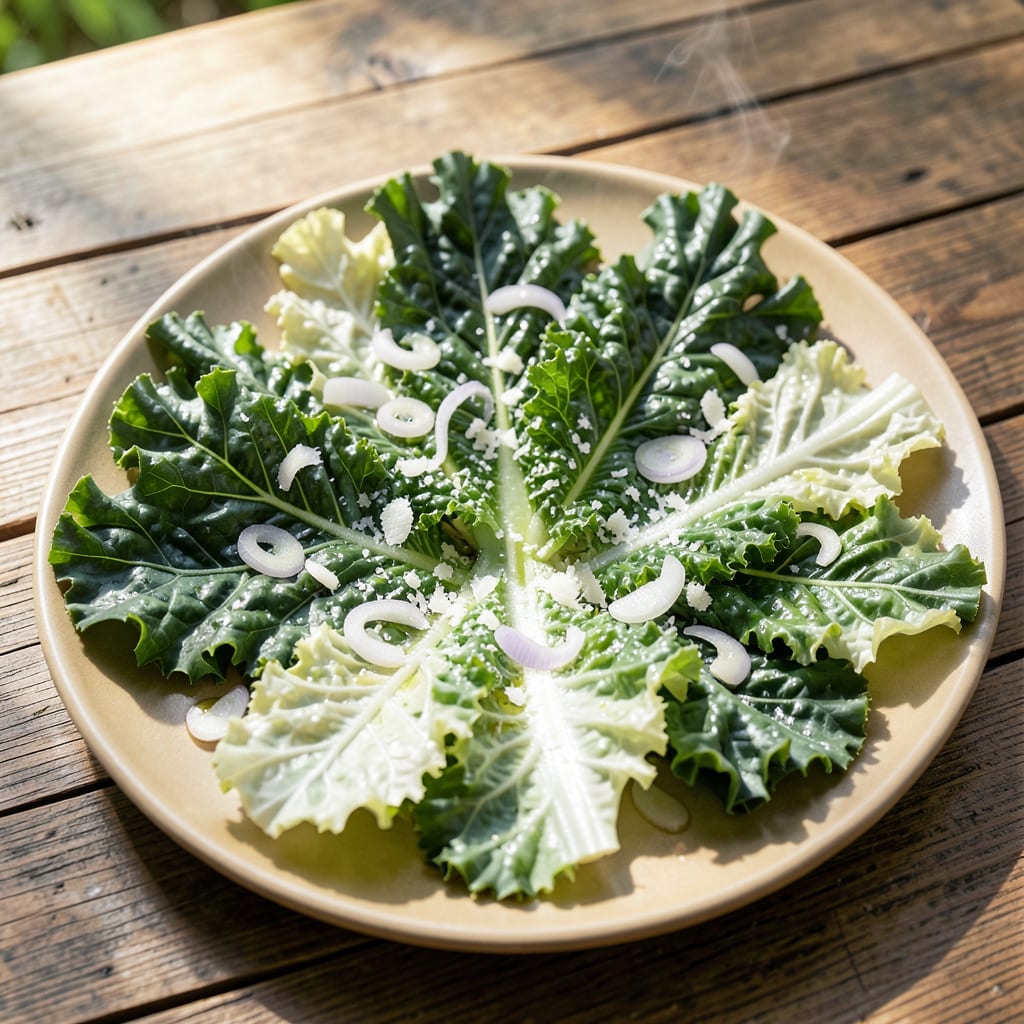
White kale leaves stopped me in my tracks last season. One morning, healthy green plants had ghostly patches spreading fast. I knew something was seriously wrong.
Turns out this isn’t just one problem—it could be powdery mildew, insect damage, or even nutrient deficiencies showing up as discoloration. Each cause leaves different clues if you know where to look.
With the right inspection, you can pinpoint whether it’s a fungal issue, pest infestation, or your soil missing key elements. The solution changes completely based on what you find.
Caught early, most cases are fixable. I saved my entire crop that year by acting within 48 hours of noticing the first white spots.
Kale leaves turning white can signal several underlying issues, often tied to environmental stress, pests, or nutrient imbalances. Here are the most common causes:
Extreme temperature fluctuations, especially cold snaps, can cause chlorosis (loss of green pigment) in kale. Kale thrives in cool weather, but sudden frost or prolonged exposure below 20°F (-7°C) may bleach the leaves as cellular damage disrupts chlorophyll production. Row covers or mulching can mitigate this.
A lack of nitrogen or iron often leads to pale or white leaves. Nitrogen deficiency typically yellows older leaves first, while iron deficiency (common in alkaline soils) causes interveinal chlorosis—white or yellow patches between veins. Test soil pH (ideal: 6.0–7.0) and amend with compost or iron chelates.
Cabbage moth larvae or aphids feed on kale sap, damaging leaf tissue and leaving behind white, papery scars. Aphids also excrete honeydew, which can foster sooty mold, further dulling leaf color. Inspect leaf undersides and use neem oil or insecticidal soap for control.
This fungal disease coats leaves in a white, powdery film, often due to high humidity and poor air circulation. It thrives in 60–80°F (15–27°C) with damp foliage. Prune crowded plants, water at the base, and apply sulfur-based fungicides preventatively.
Addressing these factors early can restore your kale’s vibrant green hue!
If your kale leaves are turning white, act fast to restore their vibrant green. Here’s how to tackle the most common causes with simple, effective fixes.
Improve air circulation by spacing plants 18–24 inches apart. Remove infected leaves and spray the rest with a mix of 1 teaspoon baking soda, 1 quart water, and a few drops of dish soap. Apply weekly until the issue clears. Prevention tip: 💡 Water at the base to keep foliage dry.
A pale or white appearance often signals a lack of nitrogen or iron. Side-dress plants with compost or a balanced organic fertilizer (10-10-10). For iron, work chelated iron granules into the soil. Prevention tip: ✨ Test soil every 2–3 years to catch imbalances early.
Check undersides of leaves for aphids or whiteflies. Blast them off with a strong stream of water, then apply neem oil or insecticidal soap every 5–7 days. Prevention tip: 🎯 Encourage beneficial insects like ladybugs with companion planting (e.g., marigolds).
Shield plants with 30–40% shade cloth during peak afternoon sun. Mulch with straw to retain moisture. Prevention tip: 🌡️ Plant kale in early spring or fall to avoid extreme heat.
Let the top inch of soil dry out between waterings. If roots are soggy, amend the soil with compost or sand to improve drainage. Prevention tip: 💧 Use raised beds if your garden has heavy clay soil.
With these targeted fixes, your kale should bounce back to its healthy, deep-green self in no time!
Most cases are reversible with quick action. Treat powdery mildew with fungicide, pests with neem oil, or adjust care for environmental stress. Only remove severely damaged plants to prevent spreading.
Rotate crops, test soil annually, and maintain 18–24 inches between plants for airflow. Use row covers in early spring to deter pests and protect from cold snaps.
Yes! Overwatering creates soggy roots and fungal growth. Water at the base in the morning, letting the top 1 inch of soil dry between sessions. Always use well-draining soil.
Inspect leaf undersides for pests, check soil moisture, and look for powdery residue. Note weather patterns—cold snaps or heatwaves often trigger discoloration.
