
Beautiful Plants For Your Interior
Beautiful Plants For Your Interior
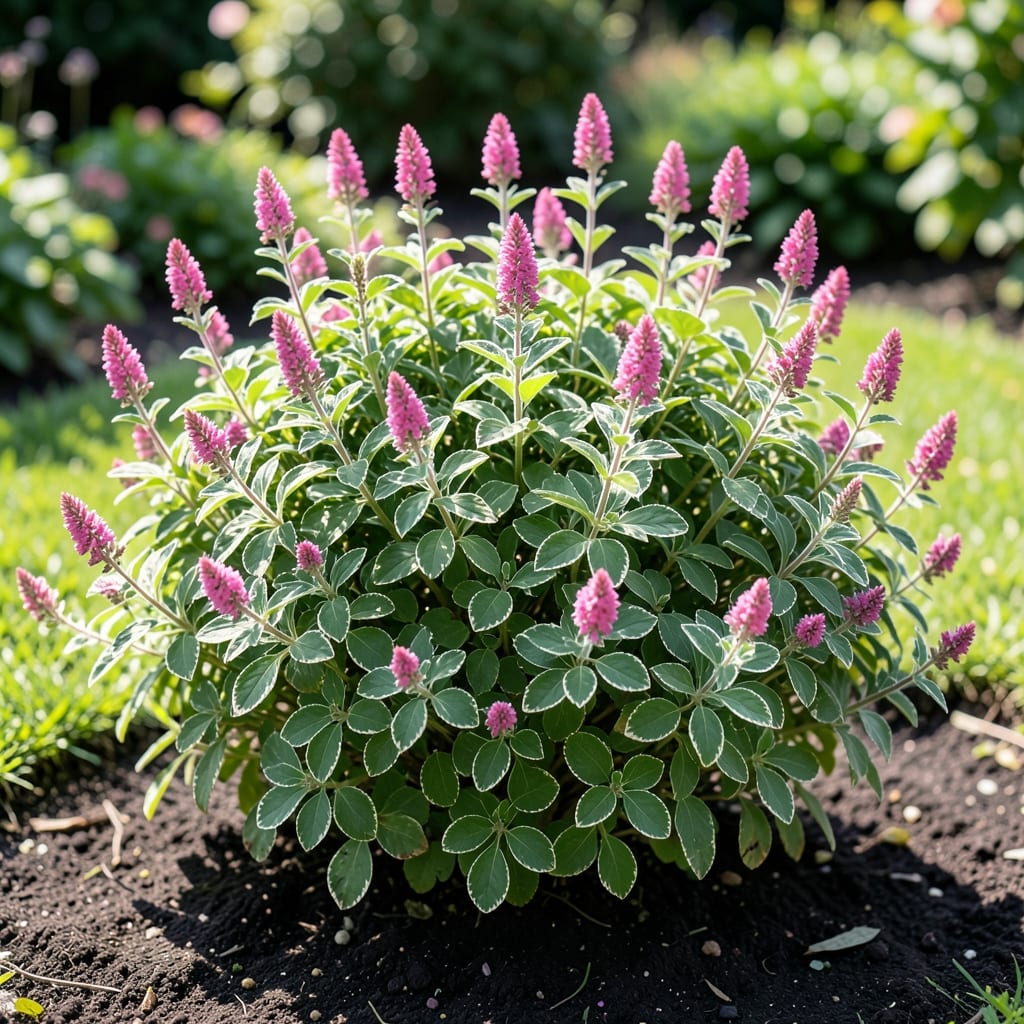
This shrub changed my landscape completely. Candy cane spirea brings vibrant pink and white blooms that last from spring through fall, with foliage that shifts from deep green to fiery red as seasons change.
It’s drought-tolerant once established, thrives in full sun to partial shade, and needs minimal pruning. The arching branches create a natural, effortless beauty that works in borders, slopes, or as a standalone focal point.
📚 In This Guide
This proven approach ensures healthy establishment and those signature pink-and-white blooms you planted it for.
Choose a site with full sun to partial shade—at least 6 hours of direct sunlight daily produces the most vibrant blooms. Candy cane spirea tolerates a range of soil types but thrives in well-draining, slightly acidic to neutral soil with a pH of 6.0-7.0.
Test drainage by digging a 12-inch deep hole and filling it with water. If it drains within 2-3 hours, the location is suitable. Avoid low-lying areas where water pools, as this leads to root rot. Space multiple plants 3-4 feet apart to allow for mature spread.
Dig a hole that is twice as wide and just as deep as the root ball. This gives the roots room to spread and establishes the plant more quickly. Loosen the soil at the sides of the hole to encourage outward root growth rather than circling.
If your soil is heavy clay or very sandy, amend it with 50% compost to improve structure and fertility. Mix the compost thoroughly with the native soil at the bottom and sides of the hole. This creates a welcoming environment for the roots without creating a “pot effect” that traps water.
Remove the spirea from its container and gently tease out any circling roots with your fingers. Position the plant in the hole so the top of the root ball sits 1-2 inches above the surrounding soil level—it will settle after watering. This prevents the crown from being buried too deep.
Backfill the hole with the amended soil, tamping lightly as you go to eliminate air pockets. Water thoroughly with 1-2 gallons of water to settle the soil and remove air gaps. The soil should feel moist but not waterlogged at the base of the plant.
Apply a 2-3 inch layer of organic mulch such as shredded bark or wood chips around the base of the plant. Keep the mulch 3-4 inches away from the stem to prevent rot and rodent damage. This conserves moisture and suppresses weeds that compete for nutrients.
Water deeply 2-3 times per week for the first 4-6 weeks after planting, then reduce to 1 inch per week once established. Check soil moisture by inserting your finger 2 inches deep—if it feels dry, it’s time to water. Avoid overhead watering to keep foliage dry and prevent disease.
Small details make the difference between struggling shrubs and thriving blooms.
Sunlight Strategy: The 6 hours of direct sunlight minimum isn’t just a suggestion—it’s what unlocks the vibrant pink-and-white blooms this variety is known for. I’ve seen plants in partial shade produce sparse, pale flowers. If your yard gets morning sun and afternoon shade, that’s perfect. South-facing locations often work best.
Drainage Test: That 12-inch deep hole test for drainage is your insurance policy against root rot. If water doesn’t drain within 2-3 hours, either choose a different spot or improve drainage with amendments. I learned this the hard way after losing two plants in a low-lying area that seemed fine initially.
Planting Depth: Positioning the root ball 1-2 inches above surrounding soil might feel counterintuitive, but it accounts for settling. I’ve seen crowns buried too deep suffer from suffocation and rot. Trust the process—after watering, it’ll settle to the perfect level.
Mulching Technique: That 2-3 inch layer of mulch is your moisture management system, but the 3-4 inches of space around the stem is just as critical. Piling mulch against the stem creates a highway for rot and pests. Use shredded bark rather than wood chips—it breaks down slower and looks more polished.
Water newly planted spirea weekly for the first year, then reduce to every 2-3 weeks once established. Drought-tolerant once mature, but consistent moisture promotes vibrant blooms.
Prune in late winter or early spring before new growth appears. Remove dead or weak stems and shape the plant to encourage fuller, healthier blooms.
Consider Anthony Waterer spirea or Goldflame spirea for similar hardiness and colorful foliage. Both offer low-maintenance beauty with different bloom colors.
Lack of sunlight, over-fertilizing, or pruning at the wrong time can reduce blooms. Ensure 6+ hours of sun and avoid heavy nitrogen fertilizers.
Yes! It’s generally deer-resistant, though no plant is 100% safe. Its slightly bitter foliage makes it less appealing to grazing animals.