
Beautiful Plants For Your Interior
Beautiful Plants For Your Interior
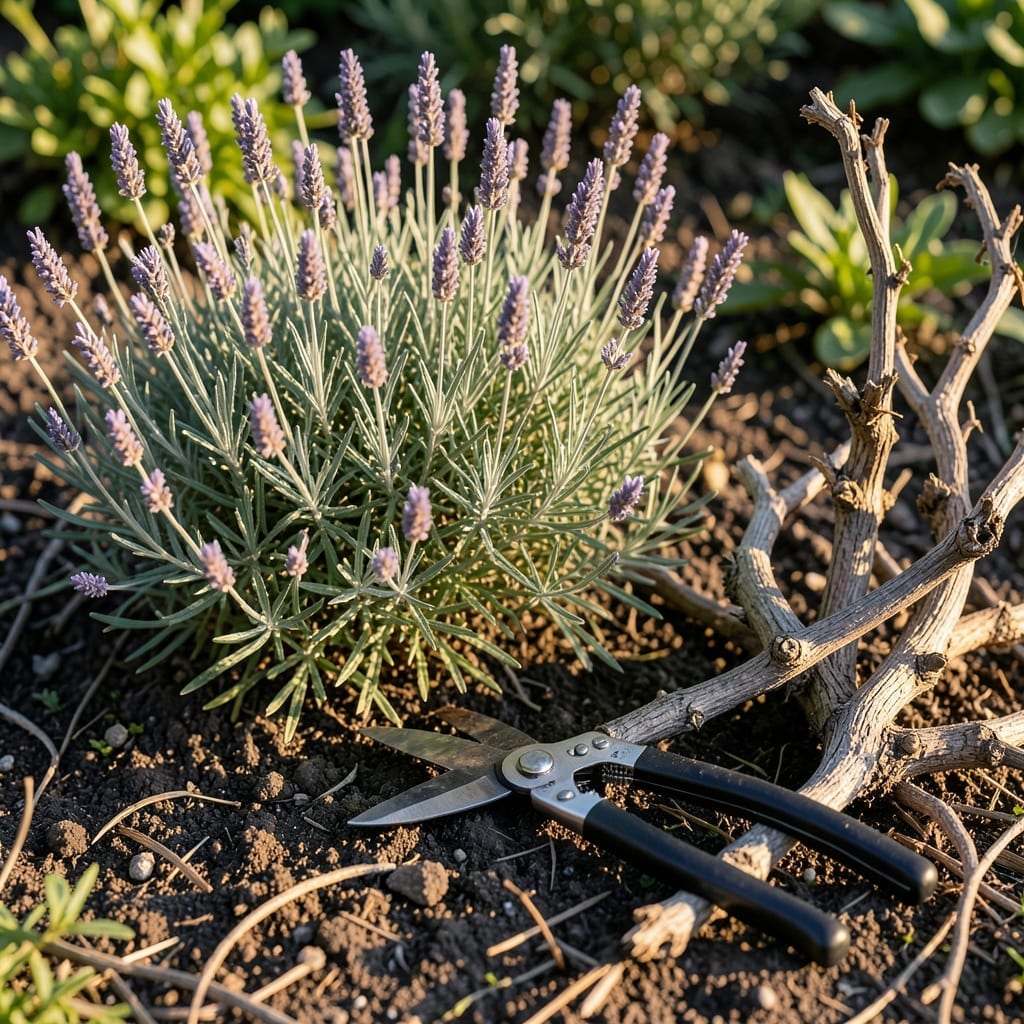
That woody lavender isn’t dead yet. I’ve brought back plants that looked like twigs with more bare stems than leaves, and the key is acting fast before the wood completely dries out.
The problem’s usually one of three things: too much water, the wrong pruning timing, or lousy drainage. Fix those and even the most neglected lavender can push out fresh growth from the base.
You’ll know it’s working when you see tiny green buds forming at the wood’s base within 2-3 weeks. That’s your sign the roots are still alive and kicking.
Works for old plants, new transplants, or anything in between. Here’s how to nurse it back to health.
Woody lavender often declines due to a mix of environmental, cultural, and biological factors. Understanding these causes is the first step toward revival. Below are the most common reasons your plant may be struggling.
Lavender thrives in dry, well-draining soil. When planted in heavy, clay-rich soil or overwatered, its roots suffocate and rot. Root rot (often caused by Phytophthora or Pythium fungi) sets in, turning the base woody and weak. Ensure your soil is sandy or gravelly, and water only when the top 1-2 inches are completely dry.
While lavender is drought-tolerant, many varieties (like Lavandula angustifolia) are not cold-hardy below USDA Zone 5. Freezing temperatures can split woody stems or kill tender roots. Mulching with gravel (not organic mulch, which traps moisture) and providing winter protection (e.g., burlap wraps) can prevent this.
Lavender requires full sun (6+ hours daily) and low humidity to thrive. In shady or humid conditions, the plant becomes leggy, weak, and prone to fungal diseases like botrytis or leaf spot. Relocate potted lavender to sunnier spots or prune nearby plants to improve airflow.
Neglecting annual pruning leads to a woody, unproductive center. Lavender should be pruned right after flowering (late summer) to encourage bushy growth. Cutting back into old wood (gray, leafless stems) often fails to regenerate—so never prune more than 1/3 of the plant at once.
Sap-sucking pests like aphids, spittlebugs, or scale insects weaken lavender by draining its resources. Check undersides of leaves for sticky residue (honeydew) or white cottony clusters. Treat with neem oil or insecticidal soap early to avoid stunted growth.
If your lavender has turned woody and sparse, don’t give up yet! With the right approach, you can nurse it back to health. Below are targeted solutions for common causes, along with prevention tips to keep your plant thriving long-term.
Woody lavender often results from neglect or improper pruning. Trim back about one-third of the plant in early spring or after flowering, focusing on removing old, woody stems. Always cut just above a leaf node to encourage new growth. Prevention tip: Prune annually to maintain shape and prevent excessive woodiness. 💡
Lavender hates soggy roots. If your plant sits in waterlogged soil, relocate it to a well-draining spot or amend the soil with sand or gravel. Water only when the top inch of soil is dry. Prevention tip: Use a raised bed or container if your garden soil retains too much moisture. 🌡️
Lavender needs full sun (6+ hours daily) to stay healthy. If your plant is leggy and weak, it’s likely starved for light. Transplant it to a sunnier location or trim nearby plants casting shade. Prevention tip: Avoid planting lavender in shaded or north-facing areas. ☀️
While lavender thrives in poor soil, too few nutrients can weaken it over time. Use a low-nitrogen, balanced fertilizer (like a 5-5-5 blend) sparingly in spring. Avoid heavy feeding—lavender prefers lean conditions. Prevention tip: Mix in compost at planting time for a slow-release nutrient boost. ✨
Inspect your lavender for pests like aphids or signs of root rot. Remove affected parts and treat with neem oil or a fungicide if needed. Prevention tip: Space plants properly for airflow and avoid overhead watering to reduce disease risk. 🎯
Check for green under the bark on stems. If it’s green, the plant has life. Look for tiny buds at the base—new growth appears within 2-3 weeks of proper care.
Never cut back to bare wood. Trim only above leaf nodes, removing no more than 1/3 of the plant at once. Old wood rarely regrows, so focus on shaping healthy growth.
Mix in sand or gravel to heavy soil. For potted plants, ensure containers have drainage holes. Water only when the top 1-2 inches of soil are dry.
Use a low-nitrogen fertilizer sparingly in spring. Lavender thrives in poor soil, so avoid over-fertilizing. Compost at planting time provides gentle, long-term nutrients.