
Beautiful Plants For Your Interior
Beautiful Plants For Your Interior
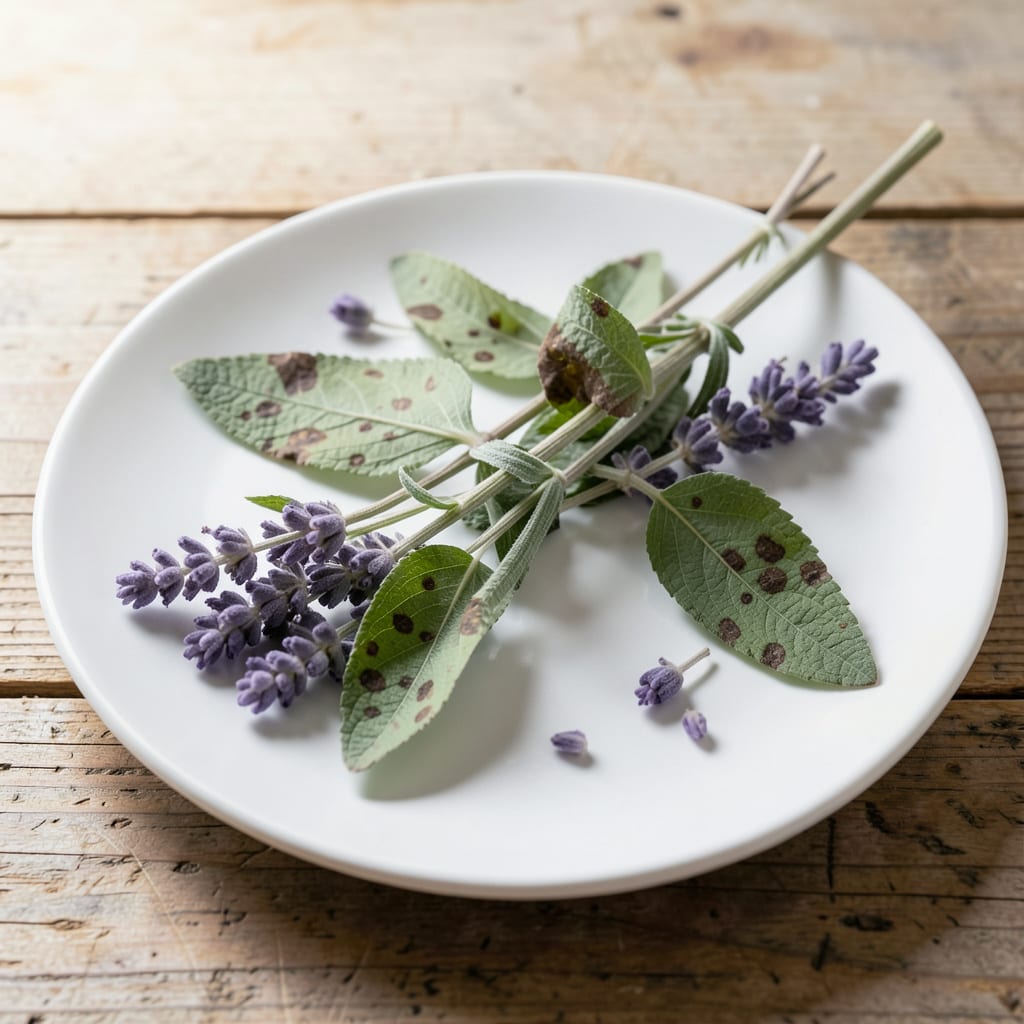
Those brown spots on your lavender leaves aren’t just ugly—they’re a cry for help. 🌱 I’ve seen this exact pattern ruin entire plants in a single season when left unchecked.
Here’s the thing—most cases come down to three culprits: too much water, fungal invaders, or sneaky pests. The good news? Natural fixes work fast if you catch it early.
Your plants can bounce back with simple adjustments to watering, airflow, and soil health. I’ve saved countless lavenders with just a few tweaks to their environment.
We’ll get to the root of the problem and restore that vibrant green you love. No harsh chemicals, just smart gardening.
Spots on lavender leaves are often a sign of underlying issues, and identifying the cause is key to restoring your plant’s health. Below are the most common culprits, explained with actionable insights.
Fungi like Septoria or Alternaria thrive in damp, poorly ventilated conditions. These pathogens produce dark, irregular spots, often with yellow halos, as they break down plant tissue. Overhead watering or high humidity accelerates their spread. Action: Improve airflow, water at the base, and remove infected leaves immediately.
Bacteria such as Pseudomonas or Xanthomonas cause water-soaked, brown, or black spots that may ooze or develop a greasy appearance. These spread via splashing water or contaminated tools. Action: Avoid overhead irrigation, sterilize pruning tools, and apply copper-based bactericides preventively.
Sap-sucking pests like spider mites or aphids weaken lavender, leaving behind stippling or yellowing spots. Their feeding also creates entry points for secondary infections. Action: Inspect leaf undersides and treat with neem oil or insecticidal soap at first signs.
Extreme heat, frost, or nutrient deficiencies (e.g., magnesium or potassium) can manifest as discolored patches. Lavender prefers well-draining soil and full sun; waterlogged roots or shade stress may trigger spot-like symptoms. Action: Test soil pH (aim for 6.5–7.5) and adjust care to match lavender’s Mediterranean origins.
Tackling spots on lavender leaves starts with identifying the cause and applying targeted fixes. Here’s how to restore your plant’s health:
Fungal spots (like septoria) thrive in damp, crowded conditions. Prune affected leaves immediately and space plants 18–24 inches apart for better airflow. Water at the base in the morning so foliage dries quickly. For stubborn cases, spray with a baking soda solution (1 tsp baking soda + 1 quart water + a drop of dish soap).
💡 Prevention tip:Avoid overhead watering and mulch with gravel to reduce moisture around stems.
Spider mites or aphids leave tiny spots or stippling. Blast them off with a strong stream of water, then apply neem oil or insecticidal soap every 5–7 days until gone. Introduce beneficial insects like ladybugs for long-term control.
💡 Prevention tip:Inspect leaves weekly and keep the area free of weeds, which harbor pests.
Brown spots from sunburn or overwatering? Move potted lavender to partial shade during peak heat, and let soil dry between waterings. For root rot, repot in well-draining soil and trim blackened roots. Underwatered plants may develop crispy spots—water deeply but infrequently.
💡 Prevention tip:Use terracotta pots to wick away excess moisture and choose a sunny, sheltered spot.
Yellowing with spots can signal a lack of nitrogen or iron. Amend soil with compost or use a balanced, low-nitrogen fertilizer (10-10-10) once in spring. Avoid over-fertilizing—lavender prefers lean soil.
💡 Prevention tip:Test soil pH (aim for 6.5–8.0) and add lime if too acidic.
Yes, overwatering is a common culprit. Lavender prefers dry soil, and too much water can lead to root rot, which often shows up as brown spots on leaves.
Check the undersides of leaves for tiny insects or webbing. Pests like spider mites and aphids leave small, scattered spots and can be treated with neem oil.
If the cause is fungal or bacterial, it can spread. Remove affected leaves immediately and improve airflow to prevent it from reaching nearby plants.
With the right care adjustments, like proper watering and pruning, most lavender plants bounce back within a few weeks.
