
Beautiful Plants For Your Interior
Beautiful Plants For Your Interior
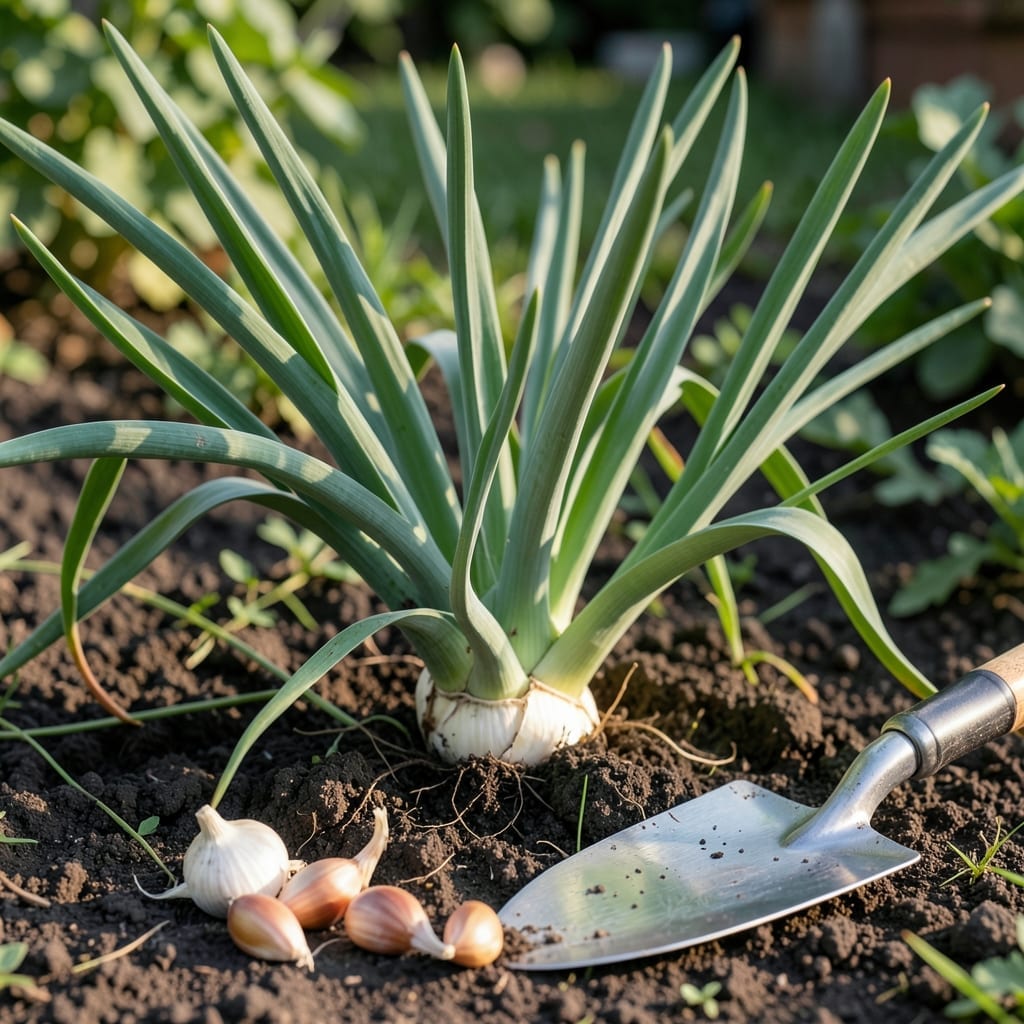
Timing is everything when planting Garlic—plant too early or too late, and your harvest could suffer. Whether you’re aiming for a bountiful fall or spring crop, knowing the right moment to get those cloves in the soil is the key to success.
I’ve learned that Garlic thrives when planted in cooler months, giving it time to establish roots before winter. But the exact timing depends on your climate and zone.
If you’re in zone 6, now might be perfect. The ideal window is typically October through November, but there’s flexibility.
Discover how to check your local conditions and plant with confidence. Let’s make sure your Garlic gets the best start possible.


If you’re wondering can I plant garlic now, the answer depends on your climate zone and the current season. In most regions, fall planting between October and November yields the best results for a summer harvest.
For gardeners in warmer zones (7-10), you can plant as late as December or January. The key is getting cloves in the ground 4-6 weeks before the first hard frost to allow for root development.
| Climate Zone | Planting Window | Harvest Time |
|---|---|---|
| Zones 3-5 | September-October | June-July |
| Zones 6-7 | October-November | May-June |
| Zones 8-10 | November-January | April-May |
I always recommend checking your local frost dates as a guideline. The soil temperature should be below 60°F but not frozen when planting. This ensures cloves develop strong roots before winter dormancy.
In spring planting, aim for early March in cooler zones, but expect smaller bulbs compared to fall planting. The cold period is crucial for bulb formation, so spring-planted garlic often lacks that signature size.
For gardeners in mild winter areas, you can even plant in late winter (February) for a summer harvest. Just ensure the soil is workable and not waterlogged from winter rains.
I’ve found that hardneck varieties do best with fall planting, while softneck types can handle a wider planting window. The former needs that cold period to develop its characteristic flower stalk and larger cloves.
If you’re in zone 6 like me, mid-October is ideal. This gives the cloves time to establish before winter, then they’ll be ready to explode with growth come spring. I mark my calendar for Columbus Day weekend as my garlic planting time.
Remember that soil preparation is just as important as timing. Work in plenty of compost before planting, and choose a spot with full sun (6+ hours daily) for the best results.
For those in container gardens, the same timing rules apply, but ensure your pots are large enough (at least 12 inches deep) and have good drainage to prevent rot.
If you’re still unsure about your timing, just remember: when in doubt, plant in fall. It’s almost always the better option for bigger, more flavorful bulbs come harvest time. 🌱
Planting Garlic at the wrong time can lead to small bulbs or poor yields. If you plant too early, the cloves may sprout before winter, risking frost damage or disease.
If you plant too late, the Garlic won’t have enough time to establish roots before the ground freezes, resulting in weak growth come spring. Timing is critical for a strong harvest.
Planting Garlic too early can expose young shoots to frost damage or disease. Planting too late may result in small bulbs or weak growth due to insufficient root development.
If you’ve already planted at the wrong time, don’t panic. You can mitigate risks by adding a thick layer of mulch to protect against frost or using row covers for extra insulation.
For late plantings, consider container gardening. You can start the cloves in pots and move them outdoors when the timing is better. This gives you more control over the environment.
I’ve found that Garlic is forgiving, but it thrives best when planted 4-6 weeks before the ground freezes. This allows the roots to establish without the tops breaking through the soil too early.
If you’re unsure about your timing, check your local frost dates and soil temperature. Aim for soil temps around 60°F for the best results. This ensures strong root growth before winter.
With the right care, even slightly off-timing can still yield a decent harvest. Just keep an eye on weather conditions and adjust as needed 🌱