
Beautiful Plants For Your Interior
Beautiful Plants For Your Interior
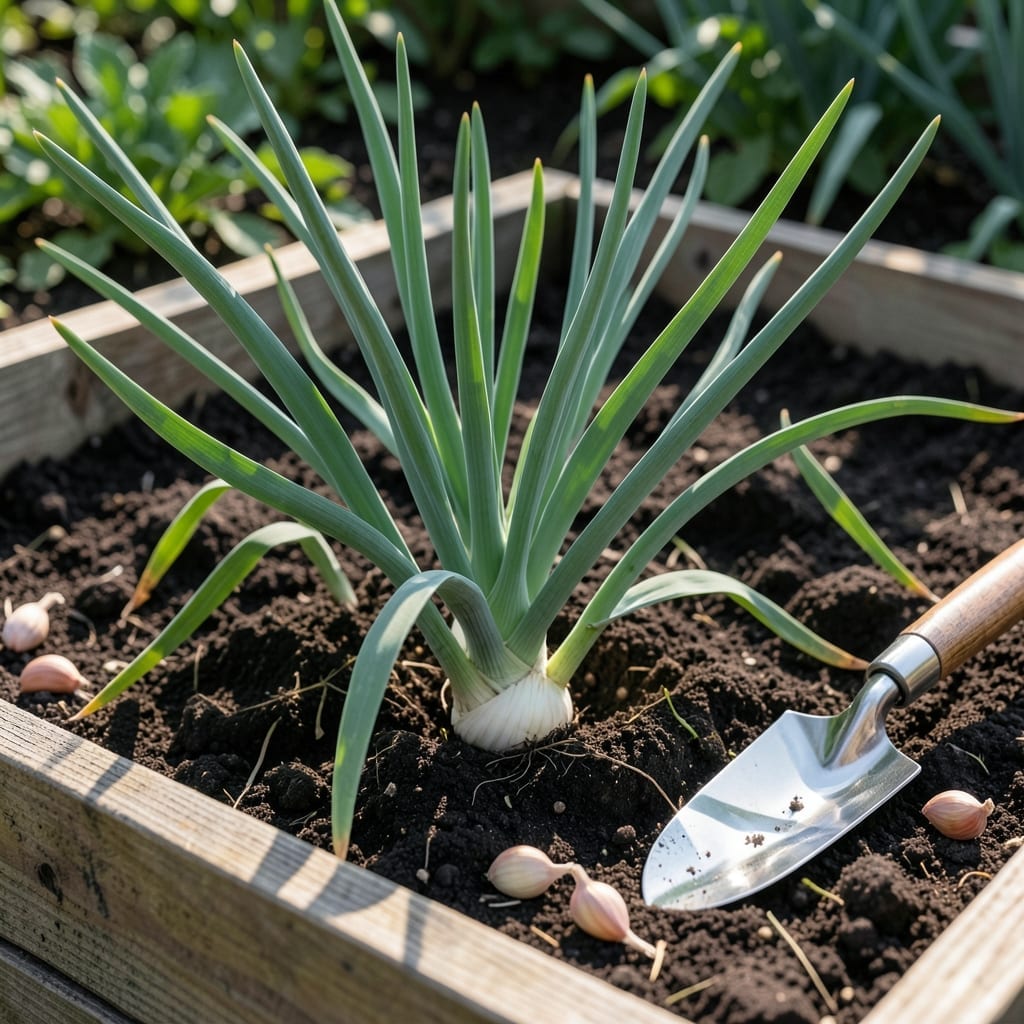
Timing is everything when planting 🧄 Garlic in Zone 7—plant too early or too late, and you risk stunted bulbs or poor yields.
Discover why the perfect fall window makes all the difference for next summer’s harvest. I’ll break down the climate considerations that ensure robust root development before winter hits.
You’ll learn the ideal soil conditions and timing strategies that work specifically for Zone 7. These simple adjustments can transform your garlic crop from mediocre to magnificent.
Find out how to time your planting for the biggest, most flavorful bulbs possible. Let’s dig into the details that matter most.
In USDA Zone 7, timing your garlic planting is critical for big, healthy bulbs. The sweet spot is 4-6 weeks before the ground freezes, giving cloves time to root deeply before winter dormancy.
For Zone 7, this typically means mid-October to early November. I’ve found that soil temperatures between 50-60°F are ideal for root development without triggering top growth.
| Stage | Timing | Key Notes |
|---|---|---|
| Ideal Planting | Mid-October | Soil temp 50-60°F |
| Latest Planting | Early November | Before ground freeze |
| Soil Prep | September | Add compost & test pH |
Hardneck varieties like ‘German White’ or ‘Rocambole’ thrive in Zone 7’s cold winters. They need this vernalization period to form scapes and bulbs come spring.
Softneck garlic such as ‘Silverskin’ is more forgiving but still benefits from fall planting. I recommend planting cloves 2 inches deep and 6 inches apart for both types.
Watch your local weather closely. If early frosts arrive, you can plant as late as early December, but mulch heavily with straw or leaves to insulate.
Remember, garlic needs about 9 months in the ground. Planting too early in warm soil can cause premature sprouting, while too late means weak roots before winter.
I always mark my planting rows since garlic won’t emerge until spring. This prevents accidental disturbance during winter garden maintenance.
For best results, choose a sunny spot with well-draining soil. Garlic hates soggy conditions, which can lead to rot or disease.
Finally, source your seed garlic from reputable suppliers. Grocery store garlic is often treated to prevent sprouting and may carry diseases that hurt your crop. 🌱
To get the biggest garlic bulbs in Zone 7, soil prep is your first priority. I start by loosening the soil to 12 inches deep and mixing in 2-3 inches of aged compost for nutrients.
Test your soil pH—garlic thrives in 6.0-7.0 range. If needed, add lime to raise pH or sulfur to lower it. This ensures cloves can absorb nutrients efficiently.
When planting, break bulbs into individual cloves just before going into the ground. Never use grocery store garlic—it’s often treated to prevent sprouting and may introduce diseases.
I plant cloves with the pointy end up, about 2 inches deep. In Zone 7’s moist fall soil, this depth prevents heaving during freeze-thaw cycles while allowing strong root growth.
Mulching is non-negotiable in Zone 7. After planting, I cover beds with 4-6 inches of straw or shredded leaves. This insulates the soil, retains moisture, and prevents weed competition.
Water once after planting to settle the soil, then hold off until spring unless you have an extremely dry fall. Overwatering can rot the cloves before they establish roots. 🌱