
Beautiful Plants For Your Interior
Beautiful Plants For Your Interior
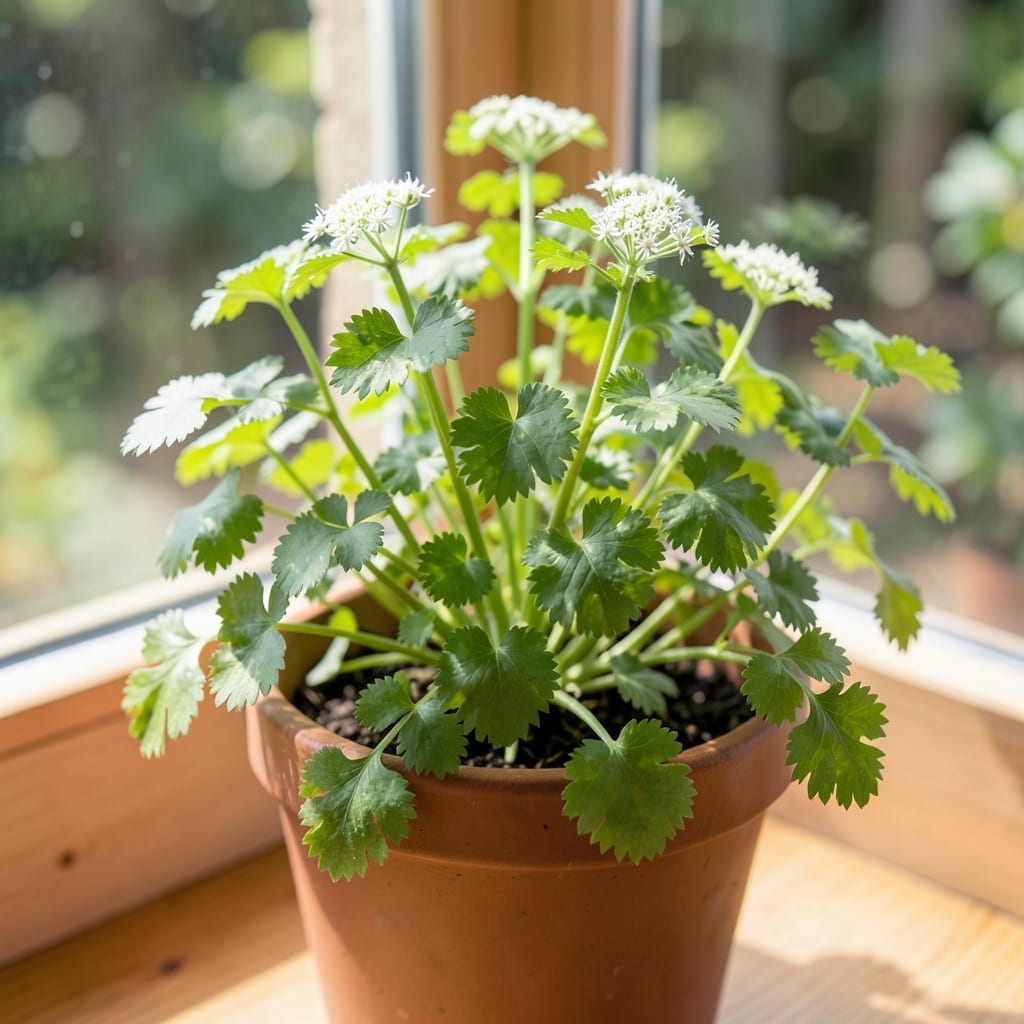
I’ve grown cilantro in every corner of my garden, and here’s the truth: it hates full shade. It needs at least 4-5 hours of sunlight daily to thrive, but it can tolerate partial shade, especially in hot climates.
In partial shade, cilantro grows slower and may bolt faster, but it’s still doable with the right tricks. Morning sun with afternoon shade works best—this setup keeps the soil cool while giving the plant enough light.
What you’ll notice is smaller, less bushy plants, but the leaves stay tender longer. If your space gets dappled light or a few hours of sun, you’re in luck—cilantro can handle that.
Just avoid deep shade. Without enough light, the stems stretch, the leaves thin out, and the plant struggles. It’s all about finding that sweet spot.
Cilantro’s struggle in shade stems from its biological and environmental needs. This herb thrives in full sun to partial shade, but too little light disrupts key processes. Below are the primary reasons why excessive shade hinders its growth.
Cilantro, like all plants, relies on photosynthesis to convert sunlight into energy. In deep shade, the plant receives insufficient light intensity, slowing down chlorophyll production. This leads to weak, leggy stems and smaller, pale leaves, as the plant stretches toward any available light. Without adequate energy, it struggles to produce the vibrant foliage and essential oils that define its flavor.
Shaded areas often retain higher humidity and moisture levels, creating a breeding ground for fungal diseases like powdery mildew or root rot. Cilantro’s delicate roots are particularly vulnerable in poorly drained, damp soil. While the plant enjoys consistent moisture, excessive dampness in shade can suffocate roots and stunt growth.
Cilantro prefers cooler temperatures (60–75°F), but shade can sometimes trap cold air or create temperature fluctuations. If the soil stays too cool, the plant’s metabolic processes slow down, delaying germination and reducing vigor. Conversely, in warm climates, shade might prevent bolting (premature flowering), but at the cost of slower overall growth.
In shady spots, cilantro often competes with larger plants or trees for nutrients and water. The reduced sunlight weakens its ability to absorb soil nutrients efficiently, leading to nutrient deficiencies. Symptoms like yellowing leaves (nitrogen deficiency) or stunted growth (phosphorus lack) may appear, further compromising its health.
If your cilantro is struggling in shady conditions, these practical fixes will help it thrive. Address the root causes with targeted solutions and prevent future issues with simple adjustments.
Fix: Move potted cilantro to a brighter spot with at least 3-4 hours of morning sun or dappled light. For in-ground plants, thin nearby foliage to allow more light penetration. If full sun isn’t possible, supplement with a grow light (LED or fluorescent) for 10-12 hours daily.
Prevention: Start seeds in the sunniest part of your shade garden or use reflective mulch to maximize light exposure.
Fix: Shady soil stays moist longer, so reduce watering frequency. Check soil moisture by sticking your finger 1 inch deep—water only if dry. Improve drainage by mixing in compost or perlite.
Prevention: Use well-draining pots with drainage holes and avoid saucers that trap water. Water in the morning to allow excess moisture to evaporate.
Fix: Shade can slow nutrient uptake. Apply a balanced, water-soluble fertilizer (10-10-10) every 4-6 weeks, or use a slow-release organic option like compost tea. Avoid over-fertilizing, which can burn roots.
Prevention: Enrich soil with aged compost before planting. For containers, refresh potting mix annually.
Fix: Shady, humid spots attract aphids and slugs. Spray with neem oil (mix 1 tbsp oil + 1 tsp dish soap per gallon of water) for pests. For slugs, set up beer traps or diatomaceous earth barriers.
Prevention: Keep the area tidy—remove debris and fallen leaves where pests hide. Companion plant with marigolds or basil to deter invaders.
💡 Pro Tip: Rotate pots weekly to ensure even light exposure, and harvest leaves regularly to encourage bushier growth!
Cilantro thrives with at least 4-5 hours of sunlight daily. It can tolerate partial shade, especially in hot climates, but deep shade will stunt its growth.
Insufficient light leads to leggy stems, smaller leaves, and slower growth. The plant may also bolt prematurely or develop pale, weak foliage.
Yes, but use a grow light for 10-12 hours daily. Place it near a sunny window, and rotate the pot weekly for even exposure.
Partial shade in warm climates can delay bolting by keeping soil cooler. However, too much shade slows growth and reduces leaf production.