
Beautiful Plants For Your Interior
Beautiful Plants For Your Interior
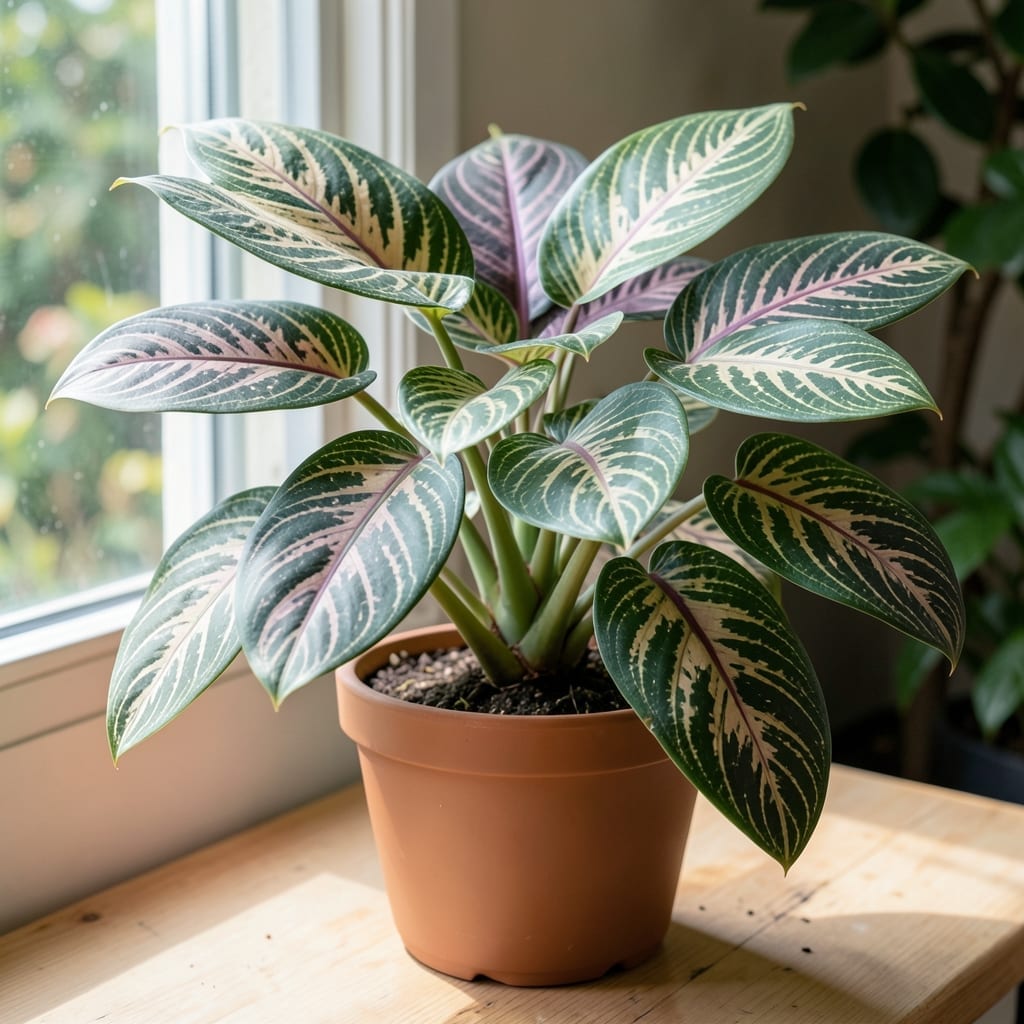
My calathea looked like it was praying a little too hard last week. 🌿 Those leaves pointing straight down aren’t a sign of devotion—they’re a cry for help.
Here’s the thing—this usually means your plant’s thirsty, drowning, or gasping for humidity. I’ve rescued mine from all three, and the fix is simpler than you’d think. Most issues show up in the soil first.
With 24-48 hours of the right care, you’ll see those leaves start to lift. The transformation from droopy to dramatic is surprisingly fast when you hit the problem head-on.
Works for all calathea varieties, whether you’re growing them in bright indirect light or that one dim corner they somehow tolerate. Let’s get them standing tall again.
When your calathea’s leaves start drooping, it’s usually a cry for help. Here are the most common reasons why this happens, along with the science behind each issue.
Calatheas are tropical plants that thrive in consistently moist but well-draining soil. When underwatered, the leaves lose turgor pressure (the internal water pressure that keeps them rigid), causing them to wilt and point downward. Conversely, overwatering leads to root rot, which disrupts water uptake, starving the leaves of hydration. Check the top inch of soil—if it’s bone-dry or soggy, adjust your watering routine.
Native to humid rainforests, calatheas need 40-60% humidity to maintain their vibrant, upright foliage. Dry air (common in heated or air-conditioned homes) causes transpirational stress—the plant loses water faster than it can absorb it, leading to limp, downward-curling leaves. Grouping plants or using a humidifier can restore balance.
While calatheas prefer bright, indirect light, too little light weakens the plant. Without adequate photosynthesis, the leaves can’t sustain their structure, resulting in a droopy appearance. Move your plant to a spot with gentle morning sun or filtered light to revive its posture.
Compacted or nutrient-poor soil restricts root growth, while root rot (from overwatering or poor drainage) chokes the plant’s ability to absorb water and nutrients. Both conditions manifest as lethargic, downward-pointing leaves. Repot in a well-aerated, peat-based mix and trim any black, mushy roots to encourage recovery.
If your calathea’s leaves are drooping, don’t panic—this resilient plant can often bounce back with the right care. Below are targeted fixes for the most common causes, along with prevention tips to keep your plant thriving long-term.
Fix: Check the soil moisture by sticking your finger 1-2 inches deep. If it’s bone-dry, water thoroughly until excess drains from the bottom. For soggy soil, let it dry out and repot in fresh, well-draining mix if root rot is present. Use a pot with drainage holes to avoid waterlogging.
Prevention: Water only when the top inch of soil is dry. A moisture meter (🌡️) can help remove the guesswork.
Fix: Move your calathea to a spot with bright, indirect light (e.g., near an east-facing window). If leaves are crispy from direct sun, trim damaged foliage and relocate immediately. For cold stress, keep the plant in a room above 60°F (15°C) and away from drafts.
Prevention: Rotate the pot quarterly for even light exposure, and avoid placing it near heaters or AC vents.
Fix: Boost humidity by misting the leaves daily, placing a tray of water with pebbles beneath the pot, or using a humidifier. Grouping plants together also helps create a microclimate.
Prevention: Aim for 50-60% humidity. A hygrometer (💡) can help you monitor levels accurately.
Fix: Inspect the undersides of leaves for spider mites or aphids. Wipe them off with a damp cloth or spray with neem oil (diluted as directed). For stubborn pests, use insecticidal soap.
Prevention: Quarantine new plants for 2 weeks and clean leaves regularly with a soft cloth to deter pests.
With these adjustments, your calathea should perk up in a few days to a week. Consistency is key—once revived, stick to a care routine to prevent future drooping!
Water when the top 1-2 inches of soil feels dry. This usually means every 5-7 days in average conditions, but always check the soil first. Overwatering can be just as harmful as underwatering.
Yes! Remove it from the pot, trim off black/mushy roots, and repot in fresh, well-draining soil. Water lightly and place in indirect light. Recovery takes 2-4 weeks with proper care.
This is normal! Many calatheas follow a nyctinastic rhythm, where leaves rise and fall with daylight cycles. If they perk up in the morning, your plant is healthy.
Misting helps temporarily, but for consistent 40-60% humidity, use a pebble tray or humidifier. Grouping plants together also boosts local humidity effectively.