
Beautiful Plants For Your Interior
Beautiful Plants For Your Interior
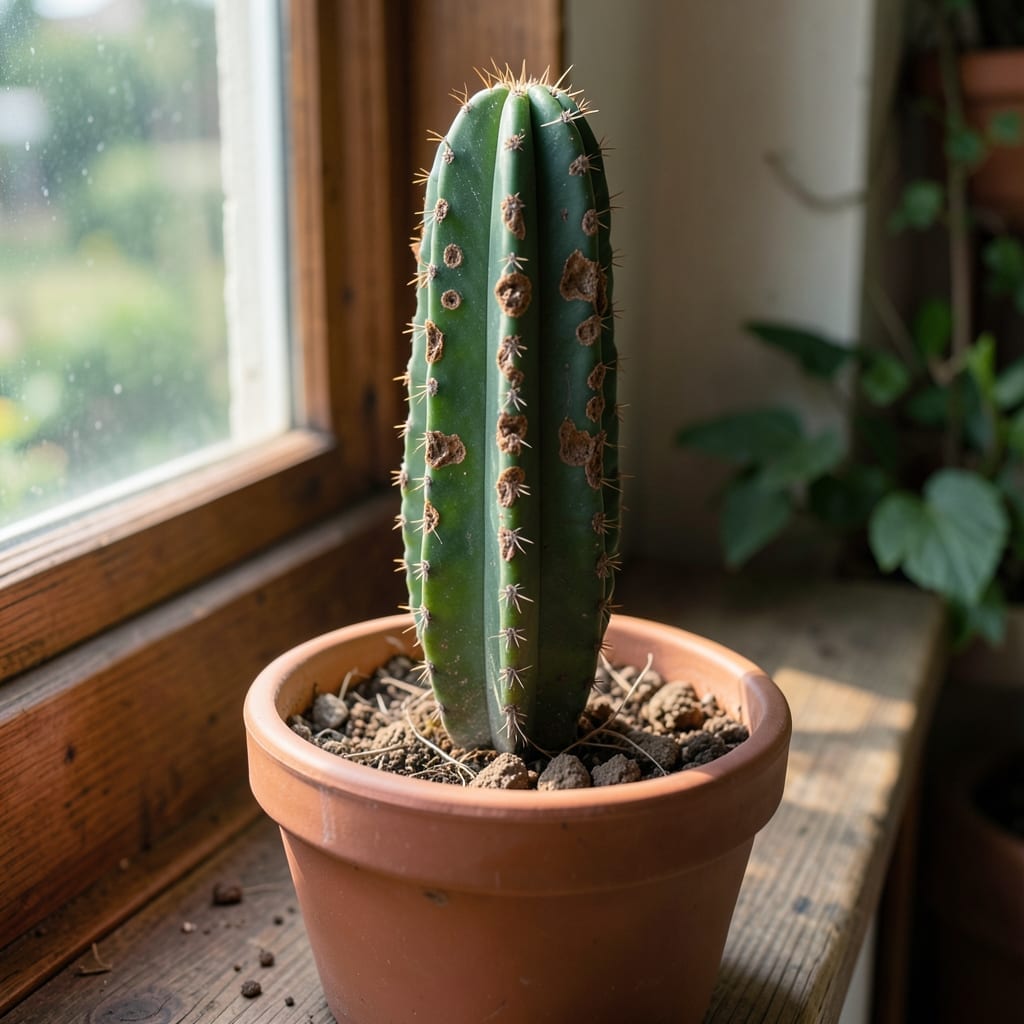
That brown spot on your cactus isn’t a death sentence. Quick action can save it, and I’ve brought plenty back from the brink with just a few adjustments.
Most browning comes from overwatering, too much sun, or pests hiding in the crevices. The fixes are simple: adjust your watering, move it to shade, or wipe down the spines with soapy water.
You’ll see improvement within 1-2 weeks if you catch it early. The brown patches stop spreading, new growth stays green, and your cactus starts looking healthy again.
Works for desert varieties, jungle cacti, and everything in between. Here’s how to diagnose and fix it fast.
A cactus turning brown is typically a sign of stress, and several environmental or care-related factors can trigger this discoloration. Understanding the root cause is key to reviving your plant.
Too much direct sunlight can scorch a cactus, leading to brown, crispy patches. This is especially common in desert species moved from shade to full sun. The plant’s tissues essentially “burn,” much like human skin in intense UV exposure.
Excess moisture is a leading cause of browning. Cacti store water in their stems, and overwatering leads to root rot, which cuts off nutrient flow. The discoloration often starts at the base and spreads upward as the roots suffocate.
Even with moderate watering, poor drainage can trap water around the roots. Use a well-draining soil mix (like cactus-specific blends) and pots with drainage holes to prevent this.
Fungi thrive in damp conditions, causing brown or black spots on the cactus. These infections often appear as soft, mushy patches and can spread quickly if untreated.
Most cacti are frost-sensitive. Exposure to temperatures below their tolerance (usually below 50°F/10°C) can cause browning or blackening as cells freeze and die.
If your cactus is turning brown, don’t panic—most issues are fixable with a few simple adjustments. Below are targeted solutions for the most common causes, along with prevention tips to keep your prickly friend thriving. 🌵✨
Stop watering immediately and check the soil. If it’s soggy, repot the cactus in fresh, well-draining soil (a mix of perlite and cactus soil works best). Trim any black or mushy roots with sterilized scissors. Water only when the top 1-2 inches of soil are completely dry.
Prevention tip: Use a pot with drainage holes and water sparingly—cacti prefer neglect over too much love! 💡
If the brown spots are dry and crispy (often on the side facing the sun), your cactus is getting too much direct light. Move it to a spot with bright, indirect sunlight or provide shade during peak afternoon hours. Gradually reintroduce sunlight over a week to avoid shocking the plant.
Prevention tip: Rotate your cactus occasionally for even light exposure. 🎯
Inspect your cactus for scale insects, mealybugs, or spider mites (look for webbing or sticky residue). Wipe them off with a cotton swab dipped in 70% isopropyl alcohol or spray with neem oil. Isolate the plant to prevent spreading.
Prevention tip: Check new plants before bringing them near your cactus collection. 🛡️
Brown patches from cold drafts or extreme heat? Move your cactus away from AC vents, heaters, or freezing windows. Most cacti thrive in 60–80°F (15–27°C). If frostbitten, trim damaged areas—new growth will replace them in time.
Prevention tip: Keep cacti indoors during winter if temperatures drop below 50°F (10°C). ❄️
Yellowing or brown tips may signal a lack of nutrients. Use a low-nitrogen, cactus-specific fertilizer (diluted to half strength) during the growing season (spring and summer). Avoid fertilizing in winter when the plant is dormant.
Prevention tip: Repot every 2–3 years with fresh soil to replenish nutrients. 🌱
Water only when the top 1-2 inches of soil are completely dry. For most cacti, this means every 2-4 weeks in summer and even less in winter.
If caused by pests or fungus, yes. Isolate the affected cactus immediately and treat with neem oil or 70% isopropyl alcohol to prevent contamination.
Only if they’re mushy or clearly dead. Use sterilized scissors to trim damaged areas. Healthy brown patches from sunburn will often recover on their own.
A fast-draining mix of 50% cactus soil and 50% perlite works best. Avoid regular potting soil—it holds too much moisture.