
Beautiful Plants For Your Interior
Beautiful Plants For Your Interior
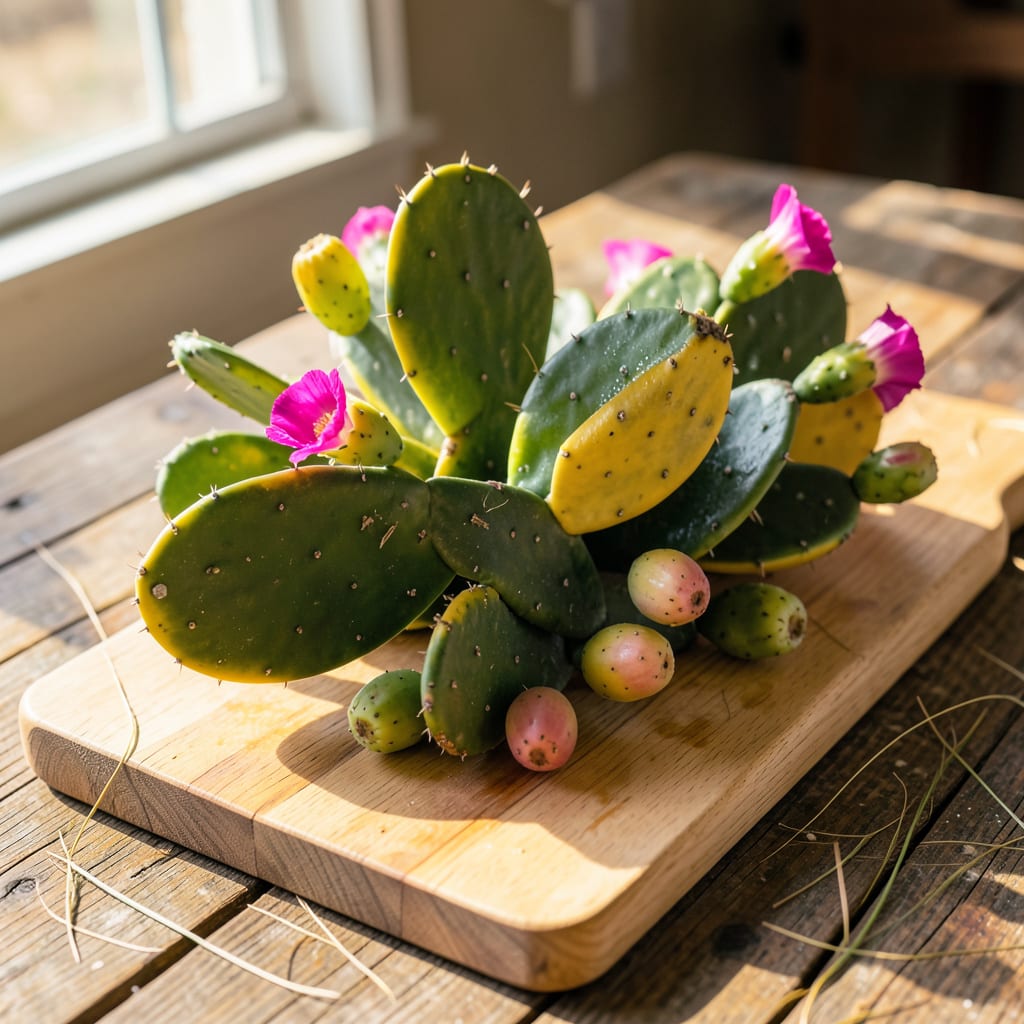
Yellow pads on your prickly pear mean something’s off. I’ve nursed dozens back from the brink, and the fix is usually simpler than you think.
The usual suspects? Too much water, too little light, or hungry roots. Most people overcomplicate this—start by checking the soil. If it’s soggy, you’re likely drowning your plant.
Within 2-3 weeks of adjusting care, you’ll see green returning. The transformation starts with the newest growth, then spreads as the plant recovers.
Works for desert gardens, containers, or sunny windowsills. Here’s how to diagnose and fix it fast.
A yellowing prickly pear cactus is often a cry for help, and the triggers range from environmental stress to disease. Here’s why it happens:
While prickly pears thrive in bright light, intense, direct sunlight—especially in scorching summer months—can scorch their pads. This photoinhibition disrupts chlorophyll production, leading to yellow or bleached patches. If your cactus sits in unfiltered midday sun (especially in zones 9+), it may be getting too much of a good thing.
Both underwatering and overwatering stress the plant. Drought causes pads to shriveled and yellow from dehydration, while root rot (from soggy soil) chokes oxygen supply, turning tissues yellow and mushy. Prickly pears need well-draining soil and a “soak-and-dry” watering method to avoid these extremes.
These cacti tolerate brief chills but sustained temperatures below 20°F (-7°C) can damage cell structures. Frostbite appears as yellow or brown discoloration, often starting at the pad edges. Even mild cold snaps paired with damp soil can invite fungal infections, accelerating yellowing.
A lack of nitrogen (pale yellow pads) or magnesium (yellowing between veins) starves the cactus of essential chlorophyll components. Poor soil or competition with nearby plants often depletes these nutrients. A balanced, low-nitrogen fertilizer (5-10-10) in spring can correct this.
Scale insects and mealybugs sap the cactus’s juices, weakening it and causing yellow spots. Check pad undersides and crevices for white cottony clusters (mealybugs) or hard, shell-like bumps (scale). Neem oil or insecticidal soap can evict these pests before they cause lasting damage.
If your prickly pear cactus is turning yellow, don’t panic—most issues are fixable with a few adjustments. Below are targeted solutions for common causes, along with prevention tips to keep your plant thriving. 🌵
Stop watering immediately and check the soil. If it’s soggy, repot the cactus in fresh, well-draining mix (cactus/succulent soil + perlite). Trim any black or mushy roots before replanting. Prevention: Water only when the top 1-2 inches of soil are bone-dry. Use pots with drainage holes!
Move your cactus to a spot with bright but indirect light, especially during peak afternoon hours. If grown outdoors, use shade cloth (30-50% coverage). Sunburned pads won’t recover, but new growth will adapt. Prevention: Acclimate new plants gradually—start with 2-3 hours of sun daily, increasing over weeks.
Keep your cactus in a stable environment (60–85°F). If exposed to cold drafts or heat sources, relocate it. For frost damage, prune affected pads in spring. Prevention: Bring potted cacti indoors before temperatures drop below 50°F. Avoid placing near vents or heaters.
Wipe off mealybugs or scale with a cotton swab dipped in 70% isopropyl alcohol. For severe cases, use neem oil or insecticidal soap. Isolate the plant to prevent spreading. Prevention: Inspect new plants before introducing them. Clean pots and tools regularly.
Use a low-nitrogen fertilizer (5-10-10 or 2-7-7 NPK) diluted to half strength. Feed once in spring and once in summer. Avoid over-fertilizing, which can cause salt buildup. Prevention: Repot every 2-3 years with fresh soil to replenish nutrients naturally.
Pro tip: Yellowing can also signal natural aging—older pads may turn yellow and drop. If the rest of the plant looks healthy, no action is needed! 💡
Water only when the top 1-2 inches of soil are completely dry. In most climates, this means every 2-3 weeks, but always check the soil first. Overwatering is the most common cause of yellowing.
Sunburned or severely damaged pads won’t recover, but new growth will be healthy if you fix the underlying issue. With proper care, you’ll see green returning to fresh pads within 2-3 weeks.
Use a fast-draining mix: 50% cactus soil and 50% perlite/pumice. Avoid dense, moisture-retentive soils that suffocate roots. Repotting in fresh mix can quickly reverse yellowing from poor drainage.
