
Beautiful Plants For Your Interior
Beautiful Plants For Your Interior
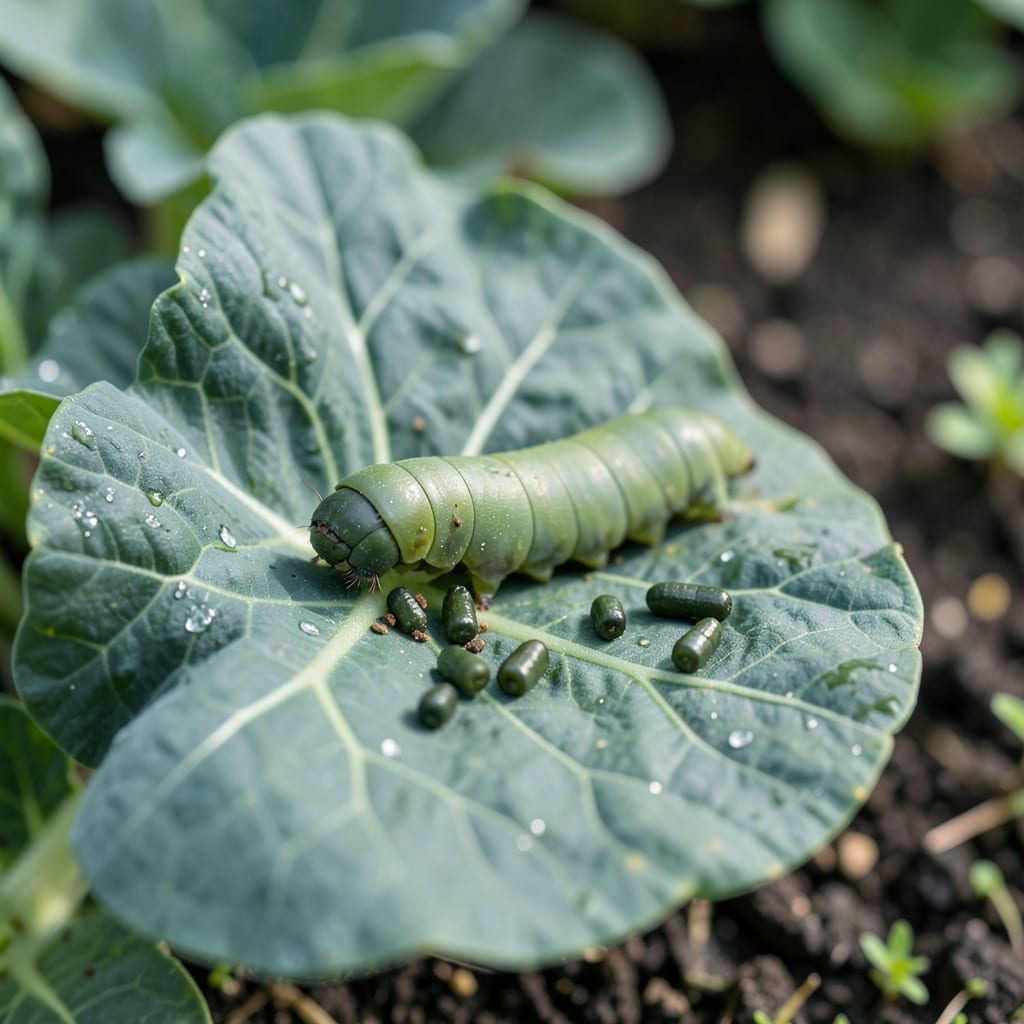
Those little green pellets on your brassicas aren’t dirt. I found them on my kale last season and ignored them—big mistake. Cabbage worms turn leaves into lace faster than you’d think.
Here’s the thing—the droppings are the first clue your plants are under siege. Left unchecked, the worms chew through broccoli, cabbage, and cauliflower like they’re on a deadline. Organic solutions work, but timing matters.
You’ll spot the damage before you see the worms: ragged holes and that telltale green waste. The fix involves simple checks and natural treatments that protect your harvest without harsh chemicals.
Works for home gardens, raised beds, or container brassicas. Healthy plants start with vigilance.
Understanding why cabbage worm droppings appear in your garden starts with recognizing the life cycle and habits of these pests. Here’s a breakdown of the primary causes:
The most direct cause is the presence of cabbage white butterflies (Pieris rapae) or other related species. These butterflies lay tiny, pale yellow eggs on the undersides of brassica leaves (cabbage, kale, broccoli). Once hatched, the green caterpillars (cabbage worms) feed voraciously on the foliage, producing small, dark green or black droppings as they digest the plant material. Their feeding activity weakens plants and leaves behind these telltale signs.
Cabbage worms thrive in environments where their favorite host plants—like cabbage, cauliflower, and Brussels sprouts—are abundant. Overcrowded plantings or monoculture gardens (growing only one type of crop) create a buffet for these pests. The more accessible and dense the food source, the more droppings you’ll notice as the worms multiply and feed.
Cabbage worms are most active during warm, dry conditions (typically 70–85°F). These temperatures accelerate their life cycle, leading to faster egg hatching and larval growth. As a result, droppings accumulate more quickly during these periods. Gardens in regions with long, mild summers are especially susceptible to repeated infestations.
In ecosystems where natural predators like parasitic wasps, birds, or ground beetles are absent, cabbage worm populations can explode unchecked. Without these biological controls, the worms feed undisturbed, leading to a visible buildup of droppings on leaves and soil. Encouraging biodiversity in your garden can help mitigate this issue.
Dealing with cabbage worm droppings starts with tackling the pests head-on. Here’s how to clean up the mess and keep your garden thriving.
Inspect your plants daily and pluck off any leaves with droppings or visible worms. Drop them into a bucket of soapy water to ensure the pests don’t spread. Prevent future issues by rotating crops yearly and avoiding planting brassicas in the same spot repeatedly.
Encourage beneficial insects like parasitic wasps, ladybugs, and lacewings, which feed on cabbage worms. Plant companion flowers such as dill, fennel, or alyssum to attract them. Prevention tip: Avoid broad-spectrum pesticides that harm these helpful predators.
Spray Bacillus thuringiensis (Bt) directly on leaves—it’s a bacteria that targets caterpillars without harming other insects or plants. Reapply after rain. For a DIY option, mix neem oil with water and spray in the evening for best results. Pro tip: 💡 Always test sprays on a small area first to avoid plant damage.
Cover plants with floating row covers to block adult butterflies from laying eggs. Secure the edges with soil or weights to keep pests out. Prevention tip: Remove covers during flowering if pollination is needed.
Consistency is key—combine these methods for a pest-free garden and healthy, droppings-free harvests!
Droppings are small, dark green or black pellets, often clustered on leaves. Dirt will brush off easily, but droppings stick and appear after worm activity. Check undersides of leaves for signs of chewing.
Chemical pesticides work but can harm beneficial insects and the environment. Organic options like Bt or neem oil are safer and just as effective for home gardens. Always follow label instructions.
The droppings themselves won’t harm plants, but they signal active infestation. The real damage comes from worms eating leaves, which weakens plants and reduces yields.
Inspect your brassicas every 1-2 days during warm weather. Catching droppings early helps you remove worms before they multiply and spread. Consistency is key.