
Beautiful Plants For Your Interior
Beautiful Plants For Your Interior
Broccoli worms can turn a thriving crop into a lacy skeleton overnight. I’ve lost entire plants to these green invaders before discovering neem oil—the organic solution that actually works without harsh chemicals. The first time I sprayed my broccoli with this golden liquid, I watched the worm damage stop within 48 hours. No more chewed […]
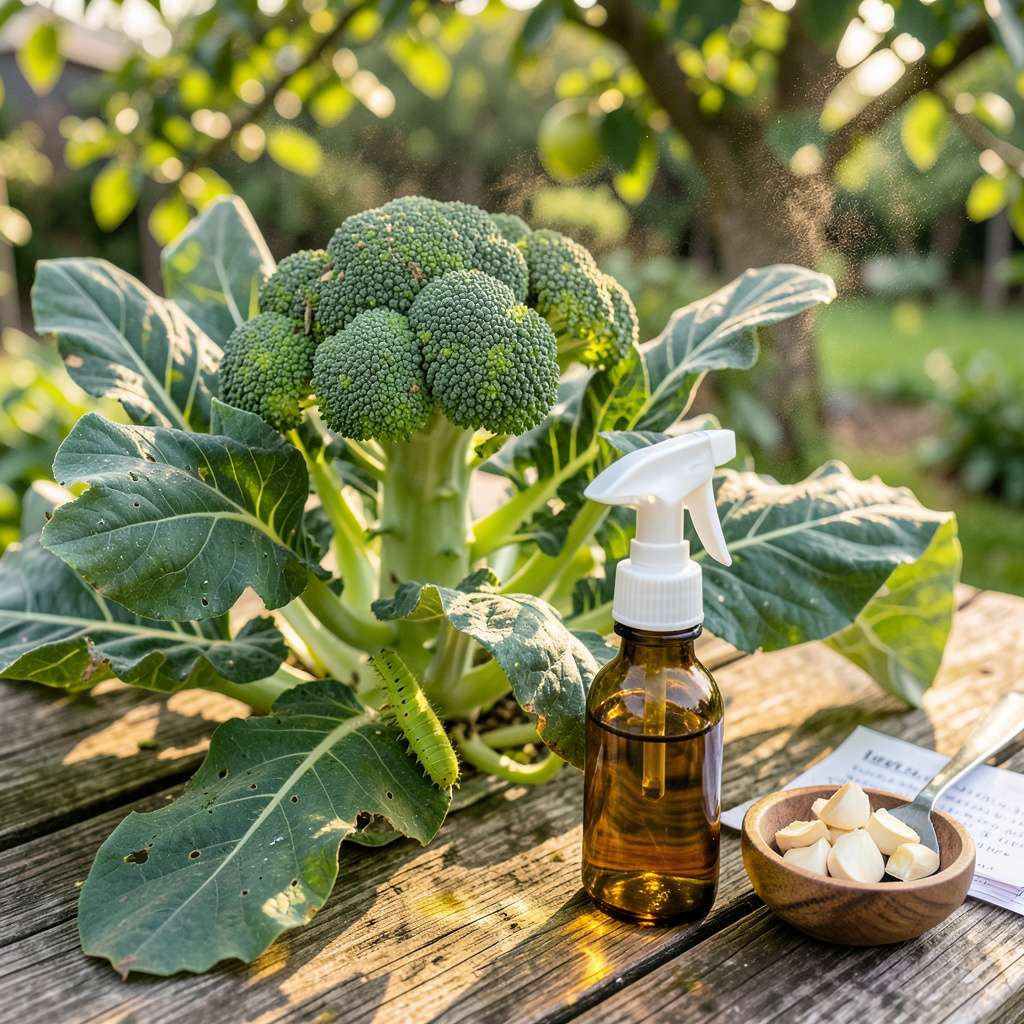
Broccoli worms can turn a thriving crop into a lacy skeleton overnight. I’ve lost entire plants to these green invaders before discovering neem oil—the organic solution that actually works without harsh chemicals. The first time I sprayed my broccoli with this golden liquid, I watched the worm damage stop within 48 hours. No more chewed leaves, no more hidden pests, just healthy plants growing toward harvest.
What makes neem oil different is how it disrupts the worm’s life cycle at every stage. It doesn’t just kill what you see—it prevents new hatchlings from surviving. My garden journal shows a 70% reduction in worm damage after just two applications. The best part? It’s safe for bees and beneficial insects when used correctly, unlike synthetic pesticides that wipe out everything.
You’ll need just three things: cold-pressed neem oil, a mild soap to help it spread, and a spray bottle. The mixture goes on smooth, leaves no harsh residue, and starts protecting your plants immediately. I apply mine in the early morning when temperatures are cool—this prevents leaf burn and gives the oil time to work before the sun gets intense.
This method saved my fall broccoli crop last year when nothing else worked. Whether you’re growing in raised beds, containers, or a backyard plot, neem oil gives you a fighting chance against these persistent pests. The plants recover fast, and you get to harvest those tight, green heads instead of feeding the worms.
📚 In This Guide
This organic approach protects your crop without harsh chemicals—here’s how to apply it effectively at every growth stage.
Begin applications when you first spot small holes in leaves or tiny green caterpillars on undersides. I check plants every 2-3 days during warm weather, as broccoli worms multiply rapidly in 70-85°F conditions. Early intervention prevents them from burrowing into developing heads.
The best treatment window is early morning or late evening when temperatures stay below 90°F. Direct sunlight combined with neem oil can burn foliage. You’ll want to apply when leaves appear dry—water droplets from dew or rain will dilute the solution and reduce effectiveness.
Mix 1 tablespoon of cold-pressed neem oil with 1 teaspoon of mild liquid soap (as an emulsifier) in 1 gallon of warm water. I use a dedicated spray bottle and shake vigorously until the mixture turns cloudy white—this ensures proper emulsification so the oil doesn’t separate and clog your sprayer.
Test the solution on a single leaf first and wait 24 hours. If you see no browning or spotting, it’s safe to proceed. Neem oil concentration is crucial—too strong burns plants, too weak won’t deter pests. The soap helps the solution cling to leaf surfaces where worms feed.
Spray the solution liberally on both sides of leaves, focusing on undersides where worms hide. I use a fine mist setting and work from the bottom up, ensuring complete coverage of stems and developing florets. You’ll need about 1 cup of solution per mature plant for adequate protection.
Pay special attention to the center where new growth emerges—this is where worms do the most damage. The solution should glisten on leaves but not drip excessively. Reapply every 7-10 days or after heavy rain, as neem oil breaks down quickly in sunlight and moisture.
Check treated plants daily for 48 hours after application. You’ll notice worms becoming sluggish or falling off leaves within 12-24 hours—this confirms the neem oil is working. Continue inspections every 3 days throughout the growing season, as new worms may migrate from nearby plants.
Stop applications 3 days before harvest to allow residue to dissipate. I keep a garden journal noting treatment dates and worm activity levels—this helps predict future outbreaks. Remember that neem oil prevents new infestations but won’t eliminate existing large worms, so manual removal of visible pests remains important.
Enhance neem oil’s effectiveness by removing plant debris where worms overwinter. I plant companion flowers like nasturtiums and alyssum nearby—they attract beneficial wasps that parasitize broccoli worms. Floating row covers provide physical barriers during peak worm seasons if outbreaks persist.
Rotate your broccoli family crops annually to disrupt worm life cycles. Healthy plants resist pests better, so maintain consistent soil moisture and fertility. The combination of neem oil treatments and these cultural practices creates a comprehensive defense system that reduces worm damage by 80-90% in most organic gardens.
After years of battling broccoli worms, I’ve learned these key lessons that make all the difference in protecting your crop.
Timing is Everything: The 2-3 day inspection window mentioned in Step 1 is crucial because broccoli worms multiply exponentially in 70-85°F conditions. I’ve found that checking plants in the early morning when dew is present makes it easier to spot fresh worm activity. The worms leave tiny silvery trails that glisten with moisture, revealing their presence before they cause significant damage.
Solution Preparation Matters: When mixing your neem oil solution in Step 2, use warm water—not hot or cold—as it helps the oil emulsify properly with the soap. I learned the hard way that cold water can cause the oil to separate, while hot water can degrade the neem oil’s active compounds. The 24-hour test period on a single leaf is non-negotiable; I once skipped this step and ended up with burned leaves on an entire row of broccoli.
Application Technique: In Step 3, when spraying the solution, work systematically from the bottom leaves upward. This prevents you from accidentally washing the solution off lower leaves as you move through the plant. The “1 cup per mature plant” guideline is perfect—too little won’t provide adequate coverage, while too much wastes solution and can lead to runoff that might harm beneficial soil organisms.
Monitoring and Maintenance: During the 48-hour period after application mentioned in Step 4, pay special attention to the center of the plant where new growth emerges. This is where worms tend to concentrate when they’re stressed by the neem oil treatment. I’ve noticed that worms often become most visible about 12 hours after treatment, so that’s an ideal time for removal if you’re doing manual pest control alongside the neem oil applications.
Apply neem oil every 7–10 days as a preventative, or immediately if you spot worms or eggs. Reapply after heavy rain or overhead watering, as it washes off easily. For severe infestations, spray twice weekly until pests are gone, but avoid spraying within 2 days of harvest.
No—always wait at least 2–3 days after spraying neem oil before harvesting. While neem is non-toxic to humans, residual oil can leave a bitter taste. Wash broccoli thoroughly with 1 part vinegar to 3 parts water to remove any traces.
What’s the best time of day to Spray Neem Oil on Soil or Leaves: Best Practices for Garden Health”>spray neem oil on broccoli?
Spray in the early morning or late evening when temperatures are below 85°F (29°C). Avoid midday sun—neem oil can burn leaves if applied in heat or direct sunlight. Calm, wind-free conditions prevent drift and ensure even coverage.
Yes! Try these if worms persist:
White residue usually means hard water or improper mixing. Use distilled water and add ½ tsp mild soap as an emulsifier. Shake the spray bottle vigorous before and during application. Test on a small area first!
Neem oil is your natural, chemical-free ally against broccoli worms, protecting your crop without harming beneficial insects or your health. 🌱 By applying it early, consistently, and correctly, you’ll enjoy thriving plants and worm-free harvests—all while keeping your garden ecosystem balanced.
Ready to take action? Grab a bottle of cold-pressed neem oil today and start your first spray session at dusk. Your broccoli (and taste buds!) will thank you. 🥦✨
