
Beautiful Plants For Your Interior
Beautiful Plants For Your Interior
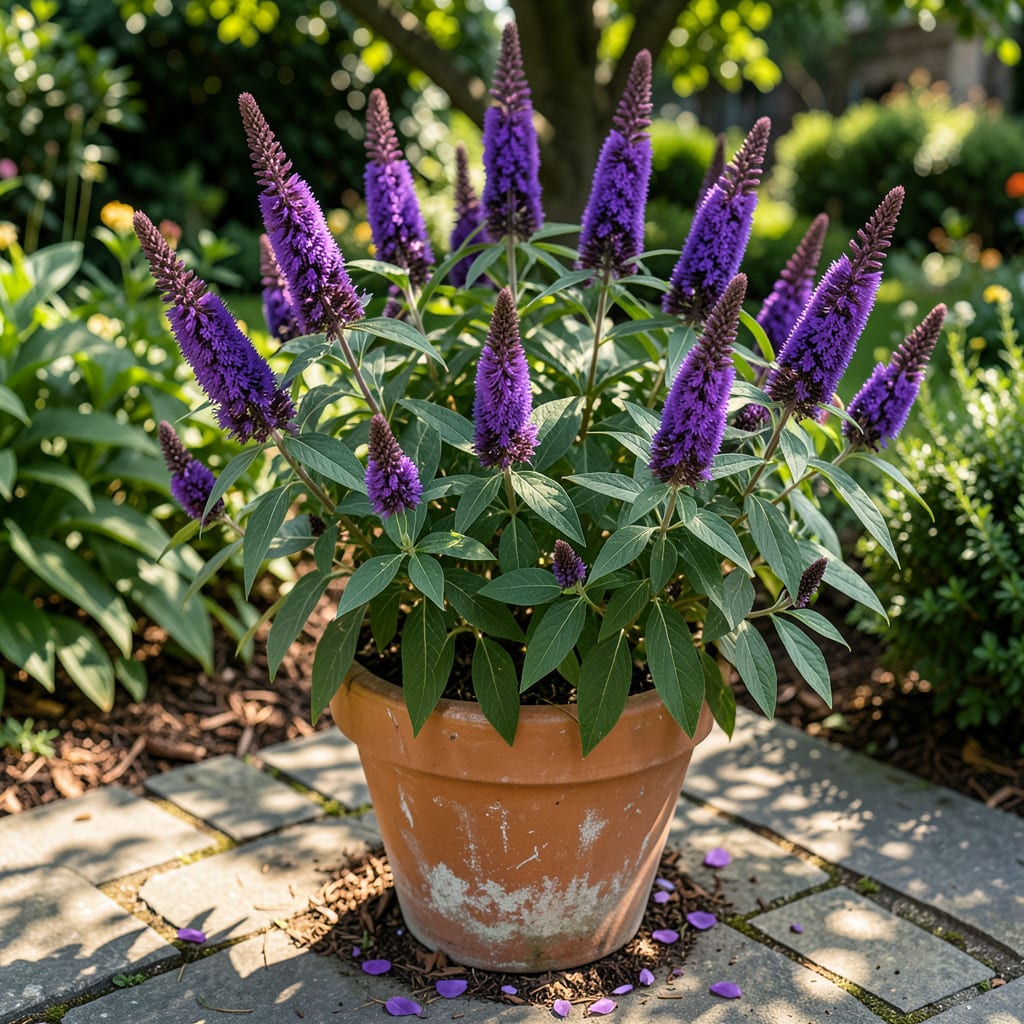
Black Knight butterfly bush changed my summer garden forever. The deep purple blooms draw more butterflies than I thought possible, and the fragrance fills the yard for 8-12 weeks straight.
This variety thrives with minimal fuss—full sun, well-draining soil, and occasional watering once established. Prune it back hard in early spring for the best flower show. Trust me, the payoff is worth the effort.
📚 In This Guide
Here’s my field-tested routine for keeping this cultivar vigorous and flowering nonstop.
Site your Black Knight in full sun—at least 6-8 hours of direct light daily. This cultivar blooms heaviest when it bakes in the heat, so avoid any location that receives afternoon shade. I’ve noticed that even partial shade reduces both bloom size and the deep purple intensity that makes this variety so striking.
Ensure the spot has well-draining soil to prevent root rot. If your ground stays soggy after rain, plant on a slight mound or in a raised bed. The roots need to dry out between waterings to maintain vigor.
Water deeply once weekly during the first growing season, providing 1-1.5 inches of moisture per session. This encourages a robust root system that reaches far into the soil. Once established, Black Knight is surprisingly drought-tolerant, but you’ll see the most spectacular blooms with consistent moisture.
Check soil 2-3 inches down—if it feels dry at that depth, it’s time to water. Always water at the base to keep foliage dry and prevent fungal issues. I use a soaker hose to deliver moisture directly to the roots without wetting the leaves.
In late winter or early spring, cut the entire plant back to 6-12 inches above ground level. This sounds drastic, but Black Knight blooms on new wood, so heavy pruning actually stimulates more flowers. I’ve found that plants pruned severely produce larger, more vibrant blooms than those only lightly trimmed.
Throughout the growing season, deadhead spent flower clusters to encourage continuous blooming. Remove the entire flower head down to the next set of leaves. This prevents seed formation and redirects the plant’s energy into producing more of those stunning purple spikes.
Apply a balanced, slow-release fertilizer in early spring as new growth emerges. I use a 10-10-10 formula at the rate specified on the package, working it lightly into the soil around the plant’s drip line. This provides the nutrients needed for the initial growth surge.
Follow up with a second application in early summer to support the heavy flowering period. Avoid high-nitrogen fertilizers late in the season, as they promote leafy growth at the expense of blooms. You’ll notice the difference in flower production within 2-3 weeks of feeding.
Watch for spider mites and aphids, which are attracted to the lush foliage. A strong blast of water from the hose often dislodges these pests before they become a serious problem. For persistent infestations, I use a targeted application of neem oil in the early morning when bees are less active.
In colder climates, apply a 2-3 inch layer of mulch around the base in late fall to insulate the roots. Black Knight is hardy to USDA zone 5, but the extra protection helps ensure survival through harsh winters. You’ll see new growth emerging from the base in spring, signaling that your plant has weathered the cold successfully.
These insights will help you avoid the most common pitfalls with this cultivar.
The Sun Factor: Don’t compromise on the 6-8 hours of daily sun mentioned in Step 1. I’ve tested this in partial shade, and the difference in bloom intensity is dramatic. The deep purple flowers fade to a dull lavender without that full sun exposure, and you’ll get significantly fewer blooms overall.
Watering Wisdom: The 2-3 inch soil depth check from Step 2 is non-negotiable. I made the mistake of watering based on surface dryness once and nearly drowned my plant. Stick your finger in that deep—if it’s dry at 2-3 inches down, it’s time to water. The soaker hose recommendation is pure genius for preventing fungal issues.
Pruning Pro Tip: In Step 3, when it says cut back to 6-12 inches, don’t hesitate. I was nervous the first time and only trimmed to 18 inches. The result? Sparse blooms and leggy growth. The aggressive pruning really does stimulate those stunning purple spikes we all want.
Fertilizer Timing: The 2-3 weeks window mentioned in Step 4 for seeing results from feeding is accurate. I’ve noticed that skipping the early summer application leads to smaller, less vibrant blooms. Stick to the schedule—your plant will reward you with nonstop flowers.
Water deeply once a week during the growing season, allowing the soil to dry slightly between waterings. In extreme heat, increase to twice weekly. Avoid overwatering, as this can lead to root rot.
Prune in late winter or early spring before new growth starts. Remove dead or weak stems and shape the bush to encourage vigorous blooming. Avoid pruning in fall, as it can stimulate tender new growth.
If you live in a colder zone, consider hardy alternatives like Lilac or Russian Sage. Both attract pollinators and thrive in cooler climates with minimal care.
Lack of blooms can result from insufficient sunlight, over-fertilizing, or pruning at the wrong time. Ensure it gets 6-8 hours of sun daily, use a balanced fertilizer sparingly, and prune correctly.
Spray the plant with a strong jet of water to dislodge pests, or use insecticidal soap. Encourage beneficial insects like ladybugs, and avoid over-fertilizing, which can attract pests.
