
Beautiful Plants For Your Interior
Beautiful Plants For Your Interior
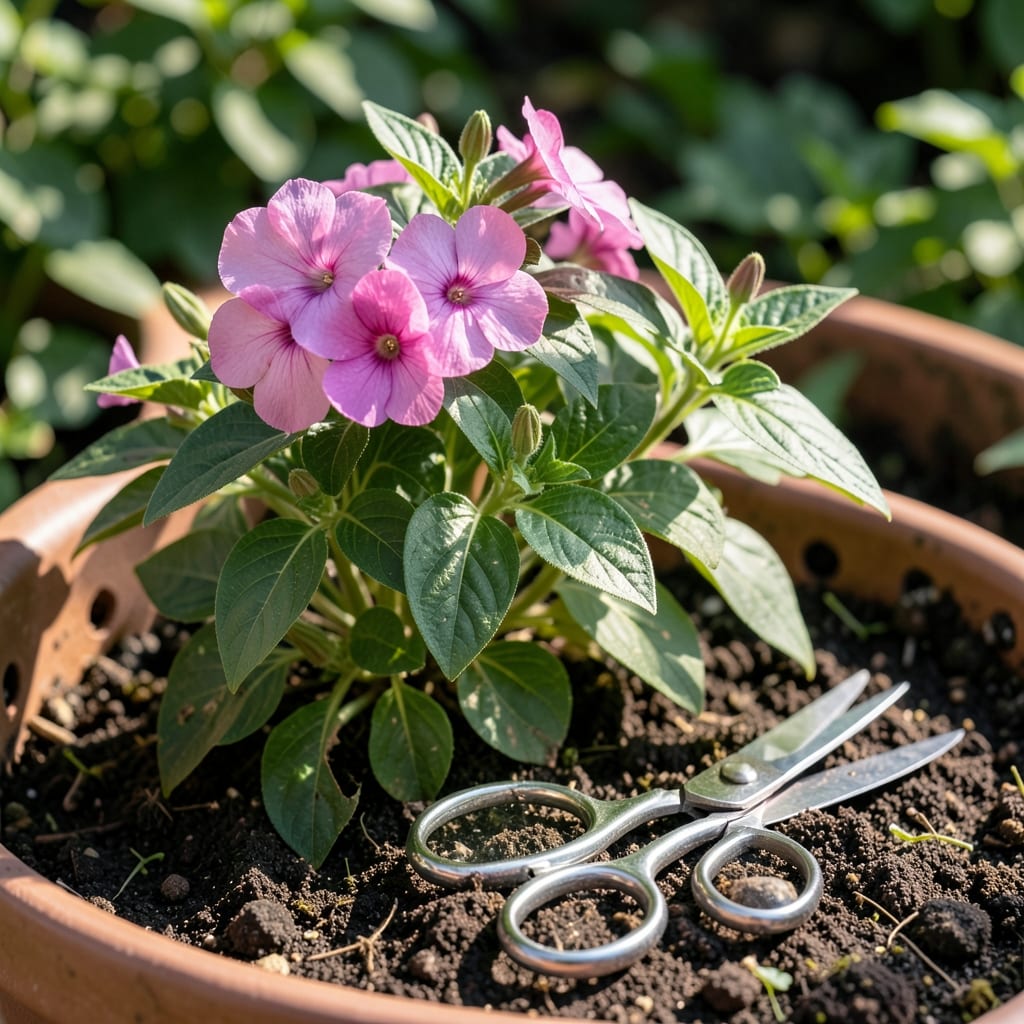
Busy Lizzie pods form after flowers fade and contain seeds for propagation. Collect them when dry and brown, then split open to access seeds for planting in well-draining soil.
I find these seed vessels fascinating because they’re nature’s way of packaging future plants. After pollination, the flower’s ovary swells and dries into a brown capsule that splits when mature. Timing is crucial—harvest too early and the seeds won’t germinate, wait too long and they’ll scatter on their own. 🌟
For best results, store collected seeds in a cool, dry place until ready to plant, as moisture can trigger premature sprouting.
💡 In This Article
The transformation begins with pollination. After a Busy Lizzie flower is fertilized, its ovary at the base of the bloom starts swelling. Over 2-3 weeks, this ovary develops into a small green pod, which gradually turns tan, then brown as it dries.
The color change signals the seeds inside are reaching maturity and the pod walls are hardening to protect them. ✨
You’ll notice the mature pods have a papery, almost brittle texture. This happens because the plant reduces moisture content in the pod to 10-15%, making it easier to split open. The pods typically measure 0.5-0.75 inches long when fully developed, about the size of a small pea pod.
The drying process also causes the pod to develop slight ridges or seams where it will naturally split. 🔥
Timing your collection is critical. Harvest when the pod is fully brown but before it begins to split open naturally. At this stage, the seeds inside are dark brown or black, indicating they’ve completed their development. If you wait until the pod splits on the plant, you risk losing seeds to wind or animals.
I’ve found early morning is the best time to collect, as the pods are less likely to burst open.
The seeds themselves are incredibly small—each pod contains 4-6 seeds that are barely visible to the naked eye. Under a magnifying glass, you can see their glossy, dark exterior. This tiny size means they don’t need deep planting, just a light covering of soil when you’re ready to propagate.
The seeds remain viable for 1-2 years when stored properly in a cool, dry environment. ⚡
What’s happening biologically is fascinating. As the pod matures, the plant redirects its energy from flower production to seed development. The pod’s outer layer becomes more fibrous while the inner chambers, where seeds form, become more defined. This structural change is what creates that characteristic “pop” sound when you split open a perfectly mature pod.
Harvest when pods turn fully brown but before they split open naturally. Early morning is ideal, as pods are less likely to burst.
Keep seeds in a cool, dry place in a paper envelope. They remain viable for 1-2 years when stored properly.
Use a seed-starting mix with 50% perlite for drainage. Lightly press seeds into the surface—don’t bury them.
Seeds usually sprout within 10-21 days at 65-75°F. Keep soil moist but not waterlogged.
This often means the flowers weren’t pollinated. Gently shake plants or use a paintbrush to transfer pollen between blooms.