
Beautiful Plants For Your Interior
Beautiful Plants For Your Interior
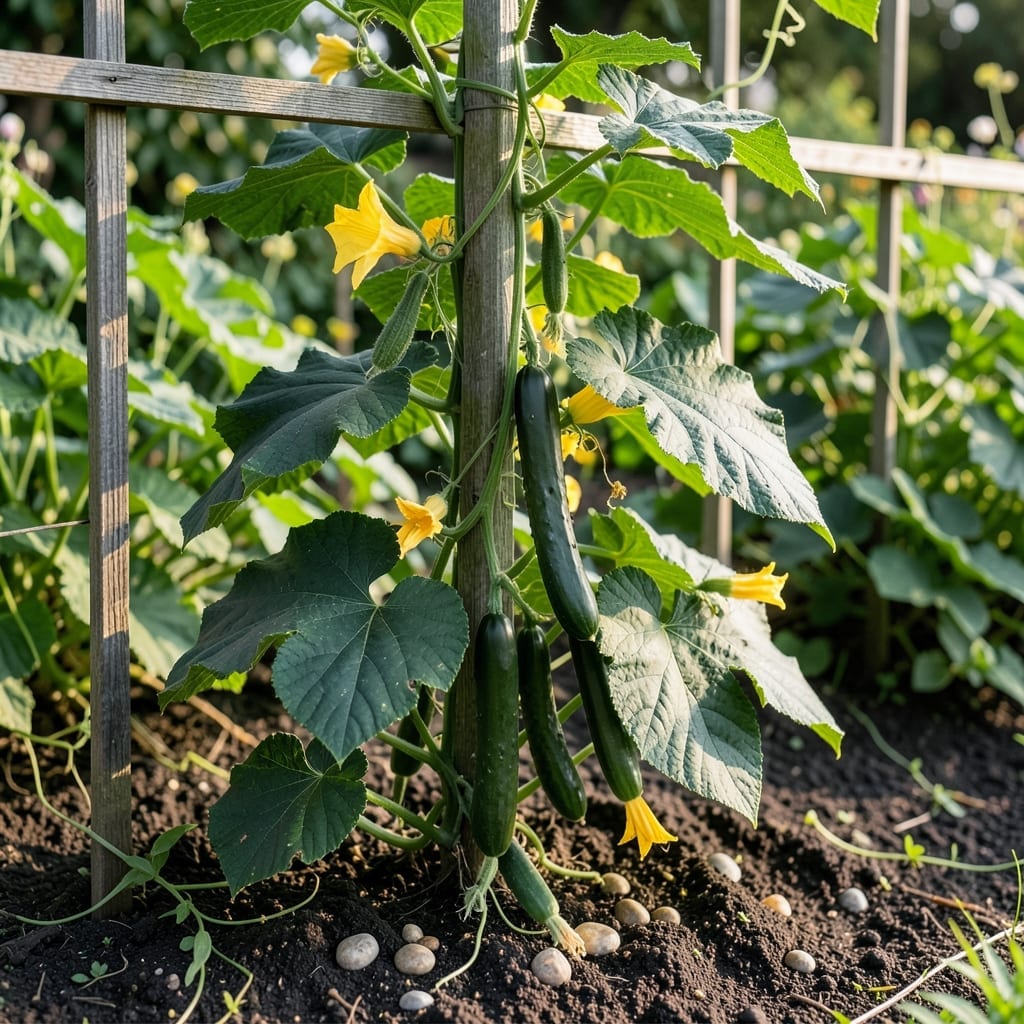
I planted my first burpless cucumbers on a whim and ended up with more crisp, sweet fruit than my family could eat. These varieties deliver smooth skin and mild flavor without the bitterness of traditional types.
They thrive in both garden beds and containers, producing long, straight fruits perfect for fresh eating. The vines grow vigorously with proper support, and I’ve found they resist many common cucumber diseases better than heirloom strains.
You’ll start harvesting in about 50-60 days from planting, with production continuing all season. The plants respond well to consistent moisture and full sun, rewarding you with a steady supply of burpless cucumbers.
Ideal for gardeners who want reliable results with minimal fuss. This is one seed variety that consistently overdelivers.
The bitterness sometimes found in cucumbers, even burpless varieties, stems from a group of compounds called cucurbitacins. These naturally occurring chemicals serve as a defense mechanism in the plant, deterring pests. While hybrid cucumbers are bred to minimize these compounds, certain conditions can trigger their production.
Some hybrid cucumber varieties retain trace genetic traits from their wild ancestors, which produce higher levels of cucurbitacins. Although burpless seeds are selected for low bitterness, stress or cross-pollination with non-hybrid plants can occasionally cause a resurgence of these bitter compounds.
Drought, inconsistent watering, or extreme temperature swings can stress cucumber plants, prompting them to produce more cucurbitacins. Keeping soil consistently moist (but not waterlogged) and providing shade during heatwaves helps prevent this defensive response.
A lack of potassium or an excess of nitrogen in the soil can also lead to bitterness. Potassium supports overall plant health and suppresses cucurbitacin production, while too much nitrogen encourages leafy growth at the expense of fruit quality. Regular soil testing and balanced fertilization can mitigate this issue.
Overripe cucumbers or those left on the vine too long tend to develop higher bitterness. Harvesting burpless hybrids at the recommended size (usually 6–8 inches for slicing types) ensures optimal flavor and minimizes cucurbitacin accumulation.
Growing burpless hybrid cucumbers can be incredibly rewarding, but even the most experienced gardeners face challenges. Here’s how to tackle common problems and keep your plants thriving.
If your cucumber leaves turn yellow, it’s often a sign of nitrogen deficiency. Fix it by applying a balanced, water-soluble fertilizer (10-10-10 or 20-20-20) every two weeks. For a natural approach, work compost or well-aged manure into the soil before planting. Prevention tip: 💡 Test your soil in early spring to identify deficiencies before they impact growth.
Wilting usually means underwatering or overwatering. Check the soil: Stick your finger 1-2 inches deep—if it’s dry, water deeply; if soggy, let it drain. Mulch around the base to retain moisture. Prevention tip: 🌡️ Water consistently (1-1.5 inches per week) and avoid wetting the leaves to prevent fungal diseases.
Cucumber beetles and aphids love tender plants. Combat them with neem oil spray or introduce beneficial insects like ladybugs. Row covers can also protect young seedlings. Prevention tip: ✨ Rotate crops yearly to disrupt pest life cycles and remove plant debris after harvest.
White powdery spots on leaves signal mildew. Treat it with a baking soda solution (1 tsp baking soda + 1 quart water + a few drops of dish soap) sprayed weekly. Prevention tip: 🎯 Space plants 12-18 inches apart for better airflow and water at the base to keep foliage dry.
With these fixes, your burpless cucumbers will stay healthy and productive all season long!
Sow seeds 1/2 to 1 inch deep in warm soil (at least 60°F). Space seeds 3-4 inches apart, thinning to 12 inches once seedlings emerge. Keep soil moist but not soggy for best germination.
While not required, trellising improves air circulation and makes harvesting easier. Vines can grow 5-6 feet long, so provide support if space is limited. Ground-grown plants also work but may need more room to spread.
Expect fruits in 50-60 days from planting under ideal conditions. Regular watering and full sun help speed up production. Harvest when cucumbers reach 6-8 inches for best flavor.
Bitterness often comes from stress like inconsistent watering or heat. Ensure plants get 1-1.5 inches of water weekly. Harvest young for sweeter flavor, as older fruits develop more cucurbitacins.